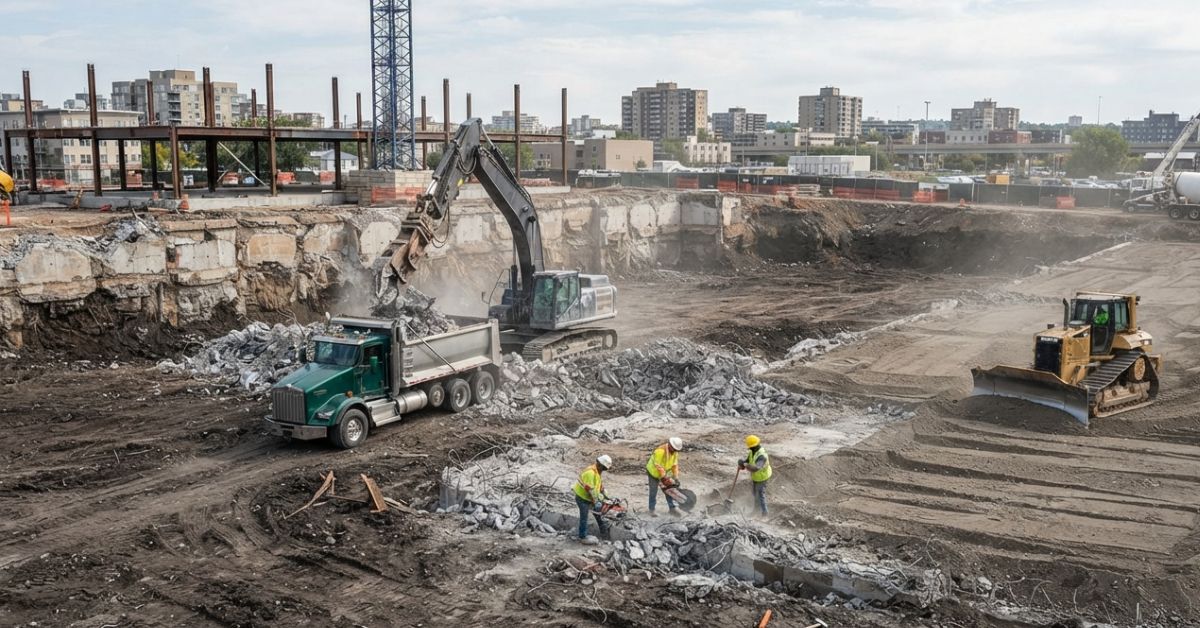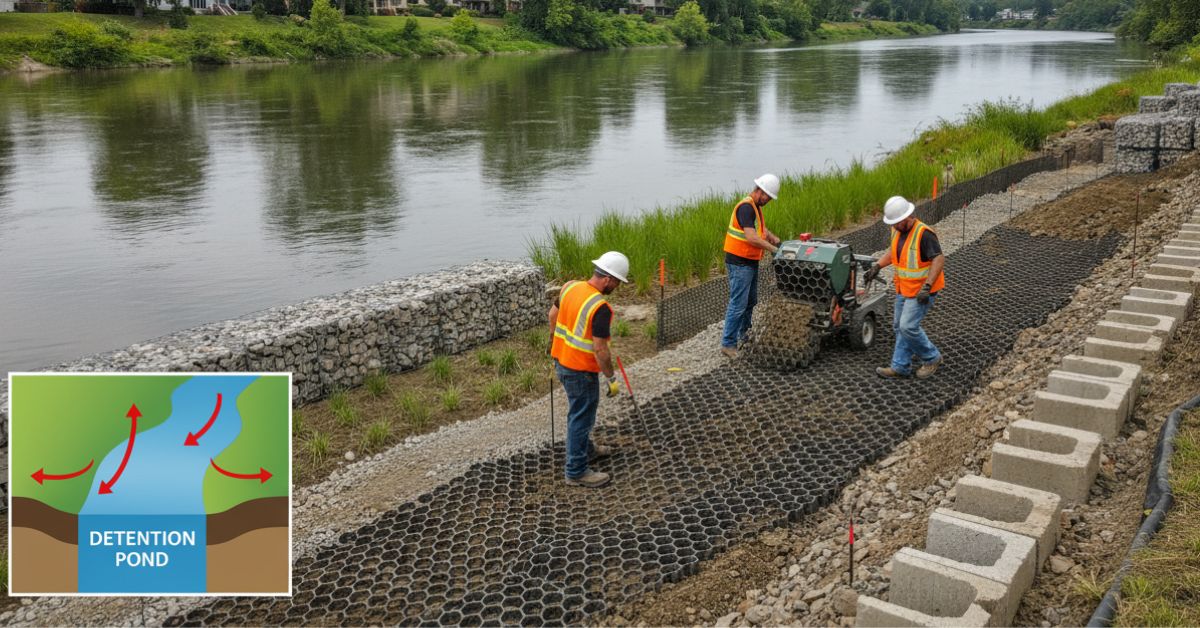
Flooding and drainage problems often develop gradually, making them easy to overlook in the beginning. What starts as minor soil erosion or poor water flow can eventually lead to standing water, property damage, and ongoing drainage concerns.
Erosion experts help identify the causes behind these issues and recommend solutions that improve how water moves across a property. In this article, we’ll look at how erosion contributes to flooding, how professionals assess problem areas, and the methods used to improve drainage and reduce future risks.
Why Erosion Creates Drainage and Flooding Issues?
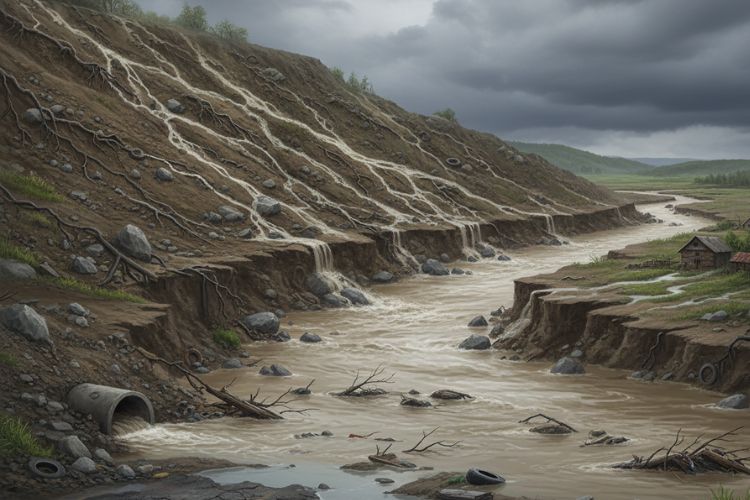
Erosion can slowly alter the shape of a property without it being immediately obvious. Rainwater can wash soil away, leaving low spots, bare areas,s or areas that aren’t level, all of which can change how water moves across the landscape. Instead, the water can start to collect in areas that may cause long-term drainage problems, rather than flow away from the property.
Eroded land is also often less able to absorb water. In heavy rain, the water will sit on the surface longer and run off the property faster. This can overload drainage systems and raise the chances of standing water or localized flooding.
As time passes, these changes can become harder to manage. What begins as a little soil loss can eventually affect driveways, landscaping, foundations, and other aspects of the property. Early erosion control can help improve water flow and prevent potential problems with flooding in the future.
Finding the Source of the Problem
Flooding and drainage problems often have deeper causes that are not immediately obvious. The start of the solution to the problem is understanding how water behaves on the property.
Areas Where Water Commonly Collects
Water has a tendency to accumulate in low-lying spots, poorly graded land, and areas close to foundations. Erosion specialists examine these areas to determine if loss of soil is part of the problem or if other factors are involved.
Signs That Erosion Is Affecting Drainage
Some of the warning signs are tough to ignore. Exposed roots, soil displacement, small channels in the ground, and recurring puddles can all be signs of erosion-related drainage problems. Have you seen water standing in the same place after every storm? That usually points to an underlying problem that needs attention.
Conditions That Increase Flood Risk
Heavy slopes, poor drainage systems, and compacted soil may all increase the risk of flooding. If these conditions are identified early, professionals can suggest practical solutions before the damage becomes worse. Many property owners turn to Shurden Construction erosion experts when they need a professional assessment of recurring water management concerns.
Solutions That Improve Water Control
Once the source of the problem is identified, the next step is to improve how water moves across the property. Different sites require different approaches based on soil conditions, slope, and water flow patterns.
Surplus Runoff Diversion
One of the best ways to reduce flooding is to divert water away from vulnerable areas. This may involve altering grades, drainage channels, or other drainage solutions to improve water flow and reduce pooling.
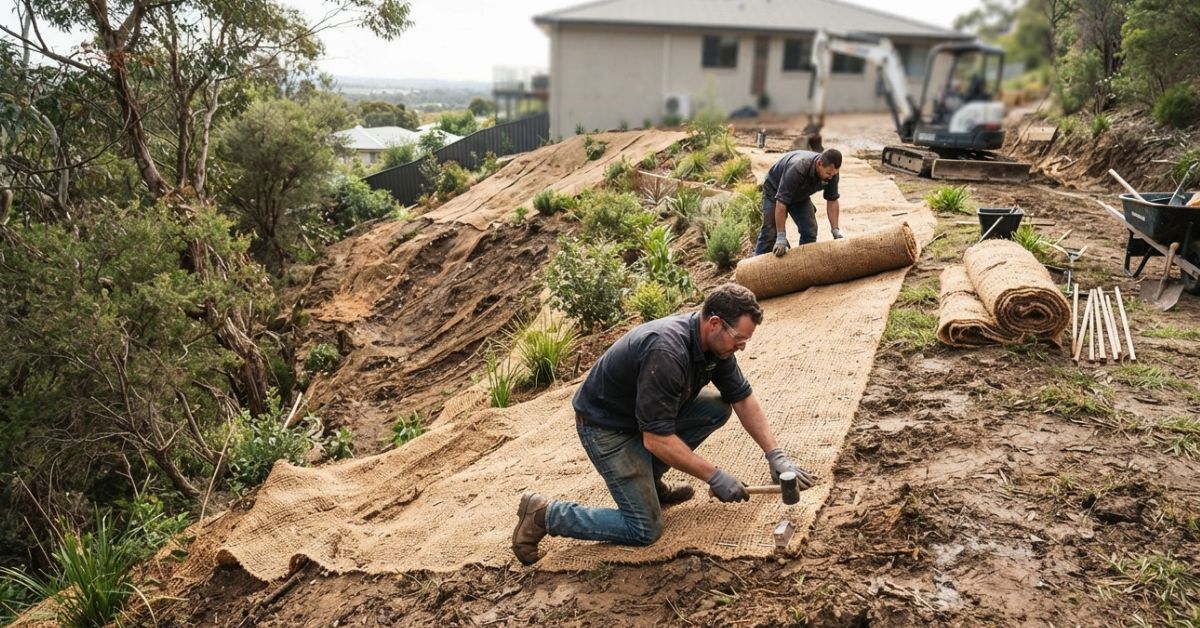
Reinforcement of Unstable Slopes
Sloped areas tend to be more vulnerable to erosion since water travels faster downhill. Stabilization of these sections helps control soil loss and supports long-term flood prevention efforts.
Improving Drainage Capacity
In some cases, existing drainage systems are no longer able to manage the amount of water reaching the site. Upgrades and modifications can improve performance and help reduce future drainage issues. Effective flood control services often include improvements that support both water management and erosion reduction.
Keeping Soil in Place During Heavy Rainfall
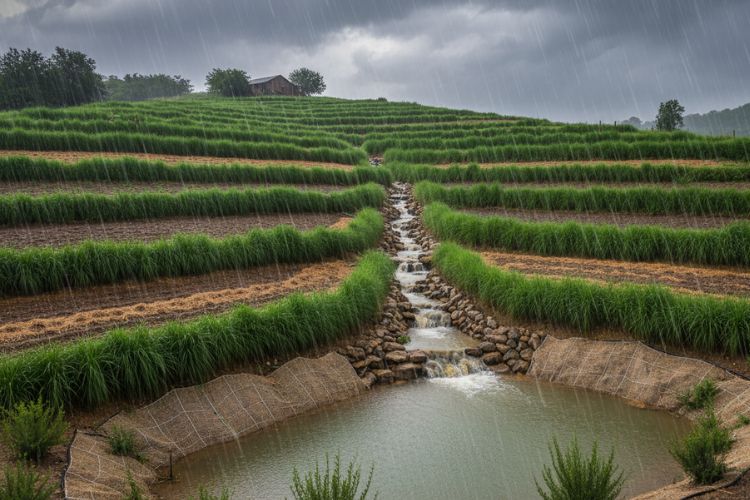
Controlling water is only part of the solution. Preventing soil movement is equally important for maintaining stable drainage conditions over time.
Vegetation and Ground Cover
Plants are important for erosion control. Root systems anchor soil, slow runoff. This simple approach can provide long-term support for drainage solutions and improved property appearance.
Methods to Maintain and Stabilize
There are some places that need to be protected more than just plants. You can use retaining structures, reinforcement materials, and other stabilization techniques to help keep the soil in place during heavy rain.
Protecting the Most Vulnerable Areas to the Flow of Water
Some properties with heavy runoff may need specialized erosion protection systems. These are measures to reduce soil loss, control water movement, and contribute to long-term goals for flood prevention.
How Untreated Erosion Can Increase Repair Costs?
Many drainage problems begin as minor concerns. Unfortunately, they rarely stay that way. Over time, untreated erosion can lead to larger issues that require more time and money to fix.
- Property damage can occur when water repeatedly collects near foundations, driveways, landscaping, and other outdoor features. The longer the problem remains, the more costly repairs can become.
- Repeated drainage failures are common when only temporary fixes are used. While these solutions may provide short-term relief, they often fail to address the root cause of the problem.
- More extensive repairs later can result from ongoing soil loss and poor water management. Addressing erosion early is usually more affordable than dealing with major corrective work after significant damage has occurred.
Conclusions
Flooding and drainage problems are often signs of a bigger problem lurking underneath. Soil erosion can change the way water runs over a property and can create problems that cost more and more to fix over time.
Erosion experts help identify the source of these problems and propose practical solutions that improve water management. By installing improved drainage systems, enhancing soil stability, and adopting targeted flood mitigation strategies, property owners can mitigate future risks and safeguard their investment.
If your property is experiencing persistent runoff, standing water,r or soil loss, working with experienced erosion professionals can help provide clarity to a path for long-term results.
FAQ
How does erosion cause flooding?
Erosion takes away soil that helps absorb and slow the movement of water. That causes more runoff and a greater chance of water collecting in places you don’t want it.
What are some drainage issues from erosion symptoms?
You will often see standing water, exposed roots, soil displacement, small channels in the ground, and areas that get wet repeatedly.
Are drainage problems fixable without fixing erosion?
Temporary fixes can help, but long-term results usually mean fixing the erosion contributing to the drainage problem.
What types of properties benefit from flood prevention measures?
Residential, commercial, agricultural, and construction properties can all benefit from flood prevention and water management strategies.
When should I contact erosion experts?
It is best to seek professional help as soon as you notice recurring drainage issues, visible soil loss, or signs of water damage.