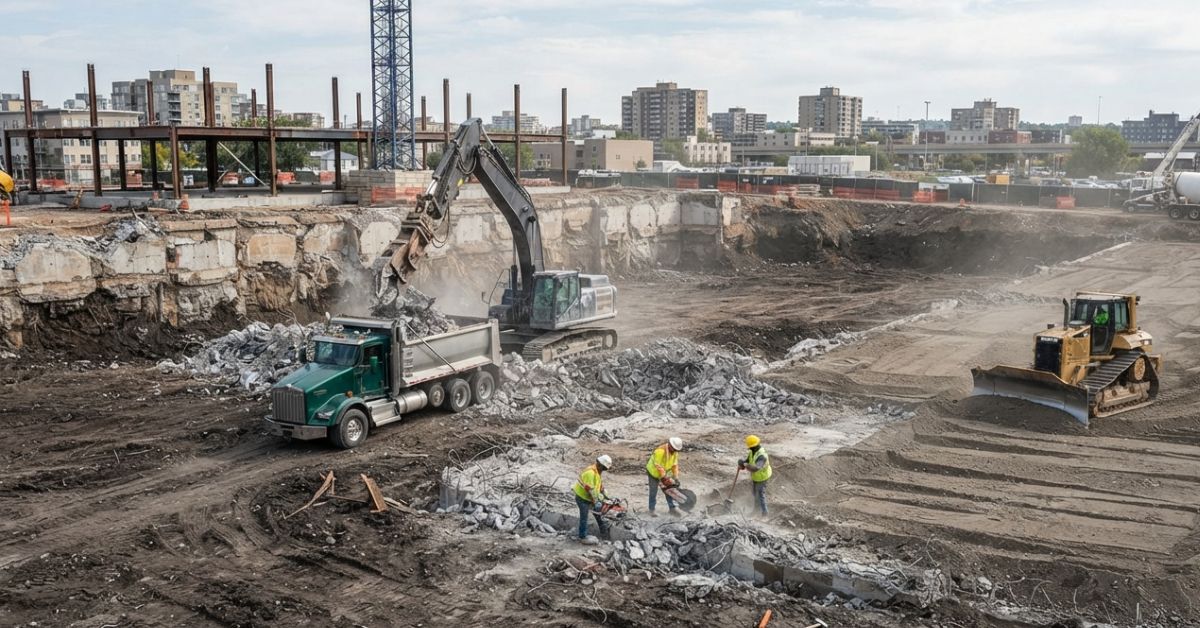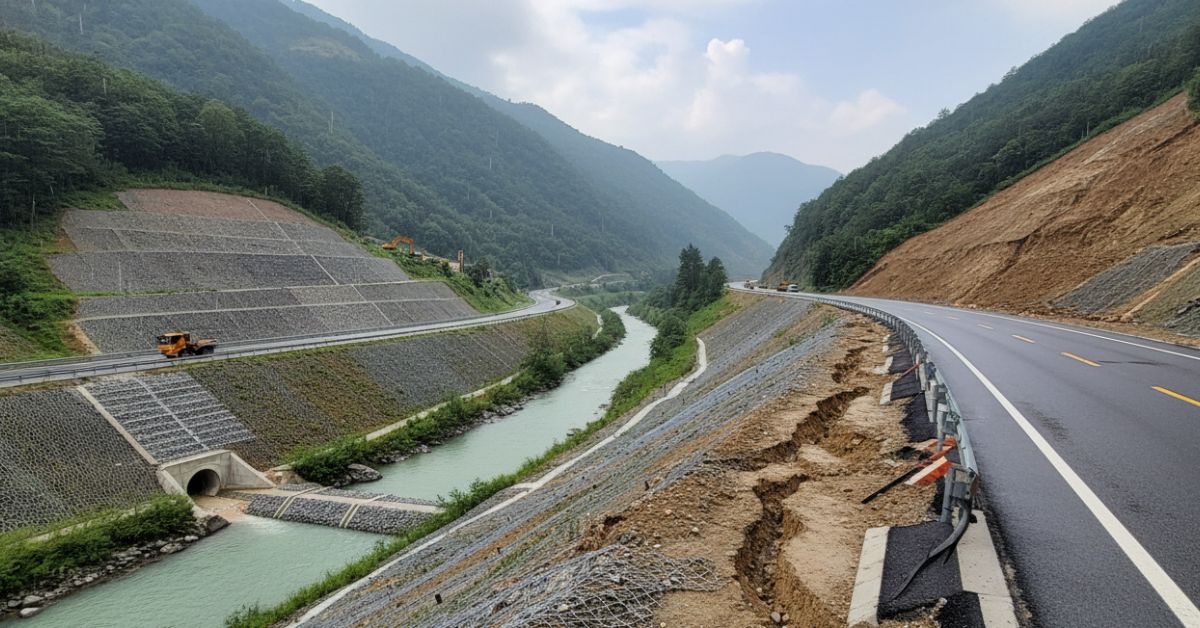
After a heavy rainstorm, it is common to notice damaged roads, blocked drainage systems, and uneven surfaces forming across streets and highways. What many people see as normal wear and tear is often the result of a deeper issue developing beneath the surface. In many cases, soil erosion is quietly weakening the structure that supports the road.
Erosion does not happen overnight. It is a gradual process that slowly removes the soil holding the infrastructure in place. Over time, this can lead to serious safety concerns, increased maintenance costs, and unexpected structural failures. Because the damage is often hidden at first, it tends to be overlooked until it becomes a major problem.
Understanding How Erosion Happens on Construction Sites
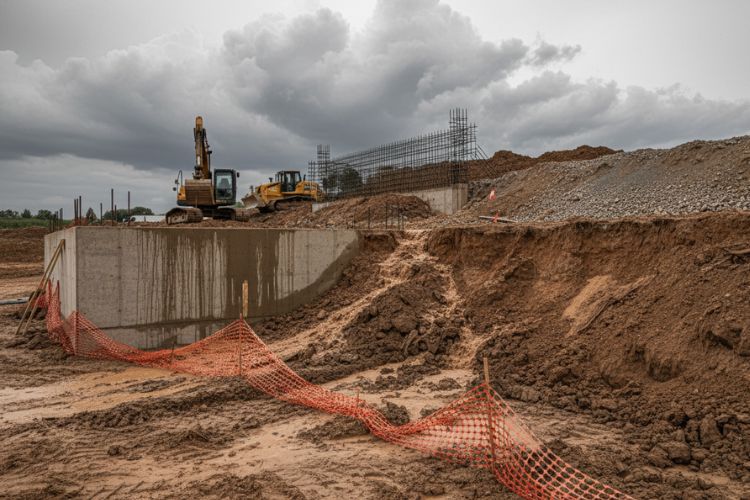
Erosion usually starts when soil is left uncovered and disturbed. On construction sites, this happens often because plants are removed and the ground is dug up or leveled. Without roots to hold the soil in place, it becomes loose and more likely to shift.
Rainwater plays a major role in this process. When it rains, water flows across the surface and carries soil with it, especially on slopes or uneven ground. If there is no proper drainage, this movement becomes stronger and harder to control. That is why managing road construction erosion from the beginning is so important. If ignored early, the problem can spread quickly and affect the entire site.
Hidden Risks Erosion Creates for Infrastructure
One of the biggest concerns with erosion is that it often goes unnoticed at first. A road may look fine on the surface, but underneath, the supporting soil may already be weakening. Over time, this leads to cracks, uneven areas, and potholes.
In larger projects, the impact can be more serious. Structures like highways and bridges depend on a solid base to stay safe. If the foundation is affected, it can lead to long-term damage and safety risks. This is why proper infrastructure erosion control is essential to maintain strength and stability over time.
The Real Cost of Ignoring Erosion
Overlooking erosion can become very expensive. Fixing damaged roads usually costs much more than preventing the issue in the first place. Small problems can grow into major repairs, and in some cases, entire sections may need to be rebuilt.
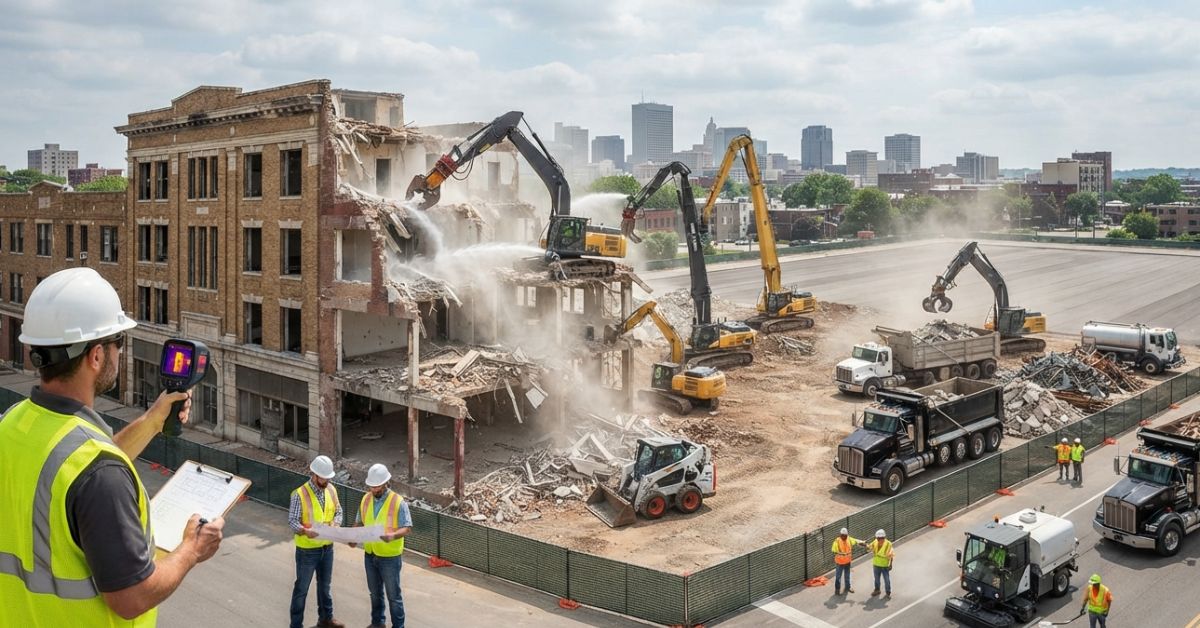
The impact is not only financial. Damaged roads can slow down traffic, delay transportation, and affect daily life for people and businesses. Soil runoff can also harm nearby areas, leading to environmental issues and possible fines. This is why many projects involve Demolition and erosion control experts early in the process to manage risks properly.
Using effective erosion protection systems helps avoid these problems by keeping soil in place and protecting the structure for the long term.
Where Projects Commonly Go Wrong
Many erosion-related problems start with poor planning. Failing to assess soil conditions, slope, and water flow patterns can lead to ineffective solutions. In roadway erosion control, understanding these factors is essential for designing systems that work under real conditions.
Another common issue is removing vegetation without replacing its stabilizing effect. Plants naturally hold soil in place, and their removal increases vulnerability to erosion. Poor drainage design also contributes to the problem by allowing water to accumulate and move unpredictably across the site.
Lack of monitoring after construction is another factor that often leads to failure. Small signs of erosion can go unnoticed until they develop into larger structural issues that require costly repairs.
Erosion Control Methods and Techniques
Controlling erosion is not about using just one solution. It requires a mix of methods that work together to keep soil stable and manage water movement effectively. Each technique plays a different role depending on the site conditions and project needs.
Vegetative Cover
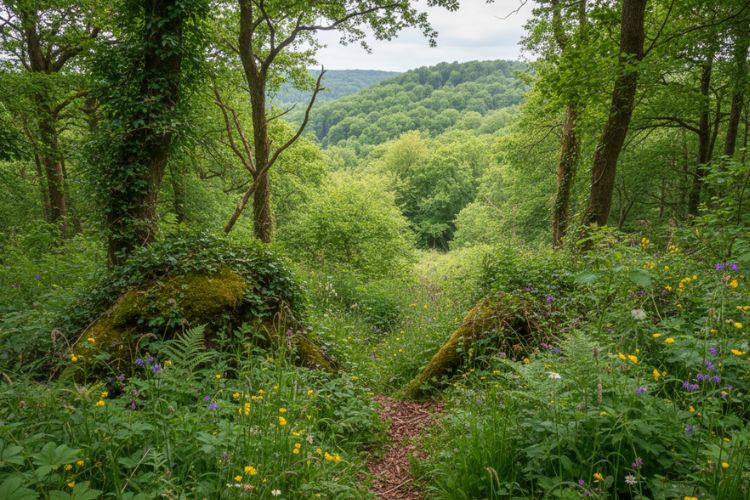
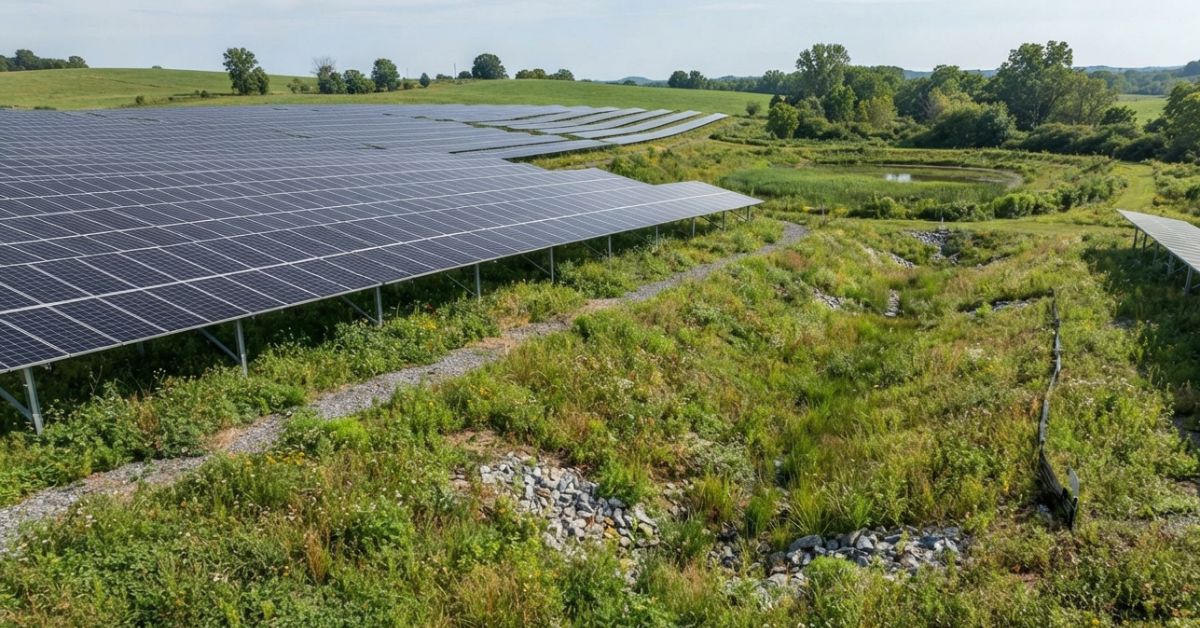
Using plants is one of the most natural ways to control erosion. Grass, shrubs, and trees help hold the soil in place through their root systems, which reduce the impact of flowing water.
This method is commonly used in highway erosion control because it is affordable and environmentally friendly. Over time, vegetation strengthens the soil, improves moisture balance, and adds a natural look to the area, making it both practical and sustainable.
Retaining Walls and Barriers
In areas where soil needs extra support, retaining walls are a reliable solution. They are especially helpful on slopes, where soil is more likely to shift due to gravity.
These structures keep the soil in place and reduce the risk of landslides or surface movement. In roadway erosion control, they are widely used to maintain stability and manage changes in ground height more effectively.
Drainage Systems
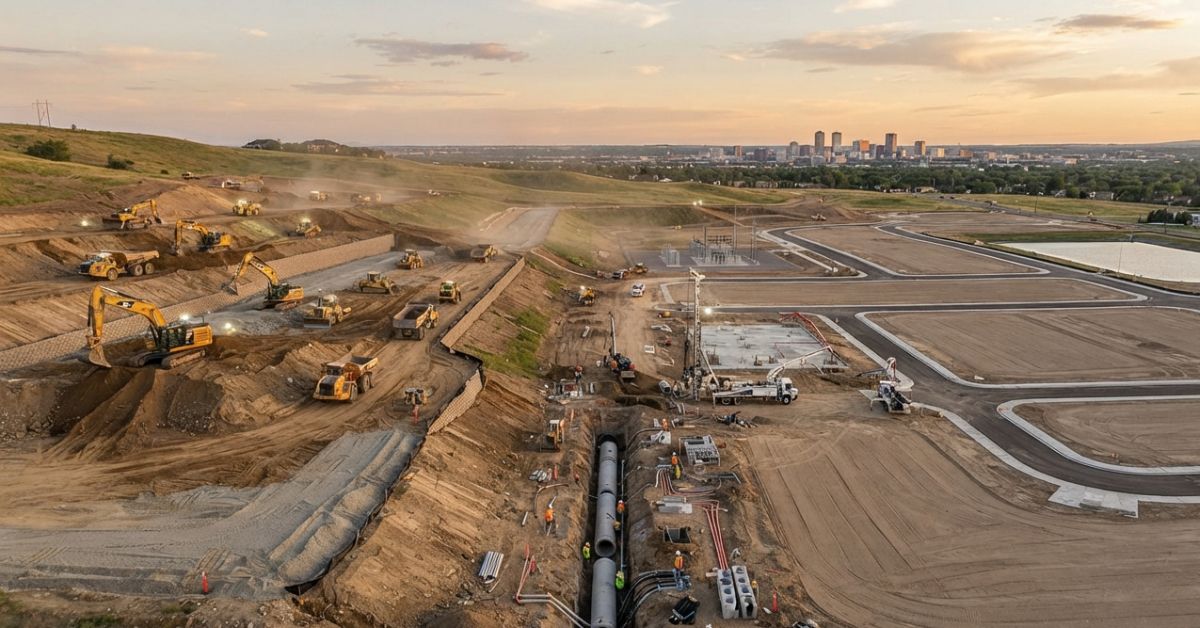
Water control is a key part of preventing erosion. When water is not directed properly, it can build up and wash soil away. Drainage systems are designed to guide water safely away from sensitive areas.
In highway erosion control, systems like channels, culverts, and storm drains help control water flow and reduce pressure on the soil. This lowers the chances of erosion and protects the road structure.
Geotextiles and Erosion Control Blankets
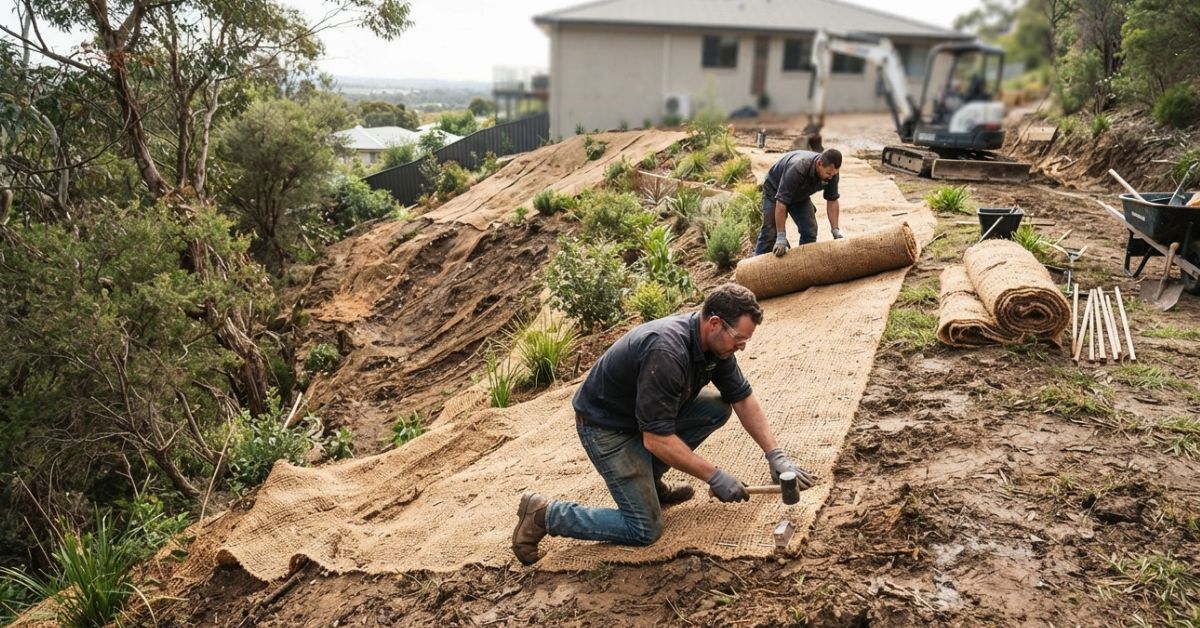
Geotextiles and blankets are used to cover exposed soil and provide quick protection. They act as a protective layer against water and wind while still allowing plants to grow through them.
These materials are often used in infrastructure erosion control projects where immediate stabilization is needed. They help keep the soil in place and support long-term strength as vegetation develops.
Riprap and Gabions
Riprap uses large stones placed in areas where water flow is strong, while gabions are cages filled with rocks that provide added support. Both methods are effective in controlling soil movement caused by water.
These solutions are part of strong erosion protection systems and are commonly used near rivers, slopes, and drainage areas where erosion risk is higher.
Balancing Development with Environmental Responsibility
Erosion control is not only about protecting roads and structures, it also plays an important role in protecting the environment. When soil washes into rivers or drainage systems, it can harm aquatic life and lower water quality. That is why construction projects need to consider environmental impact from the start.
Working with a reliable erosion control company helps ensure that both safety and environmental standards are met. Experts can plan solutions that reduce land disturbance while still keeping the project efficient.
Simple steps like protecting natural vegetation, using eco-friendly materials, and managing water flow properly can make a big difference. These practices help protect the surrounding environment and also improve the durability of the infrastructure.
Future-Focused Approaches
Erosion control methods are improving as construction becomes more advanced. Today, engineers use data and forecasting to understand potential risks before work even begins. This helps them plan better and avoid unexpected problems during the project.
New materials are also being introduced that offer stronger and longer-lasting protection. These updated erosion protection systems are designed to perform well under different weather conditions and heavy use.
In addition, working with skilled professionals ensures that the latest methods and techniques are applied correctly. Their experience helps create infrastructure that is not only efficient but also built to last in changing conditions.
Conclusion
Strong and long-lasting infrastructure does not happen by chance, it requires careful attention to factors like soil stability and environmental conditions. Erosion may develop slowly, but if it is overlooked, it can lead to serious structural issues, higher repair costs, and safety concerns over time.
By using the right erosion control techniques and planning ahead, construction projects can avoid these problems and maintain their strength for the long term. Taking early action not only protects the structure itself but also supports safer roads and more sustainable development for the future.
FAQs
How does erosion affect roads over time?
Over time, erosion slowly removes the soil that supports the road. This weakens the base and leads to problems like cracks, potholes, and uneven surfaces.
What is the most effective erosion control method?
There isn’t just one solution. A mix of methods, like using vegetation, proper drainage, and structural support, usually works best.
Is vegetation alone enough to control erosion?
Vegetation helps hold the soil in place, but on its own, it may not be enough. It is often used along with other methods for better results.
How often should erosion control systems be checked?
They should be checked from time to time, especially after heavy rain or extreme weather, to make sure everything is still working properly.
Can erosion be completely prevented?
Erosion is a natural process, so it cannot be fully stopped. However, with the right steps, it can be controlled and kept under control.