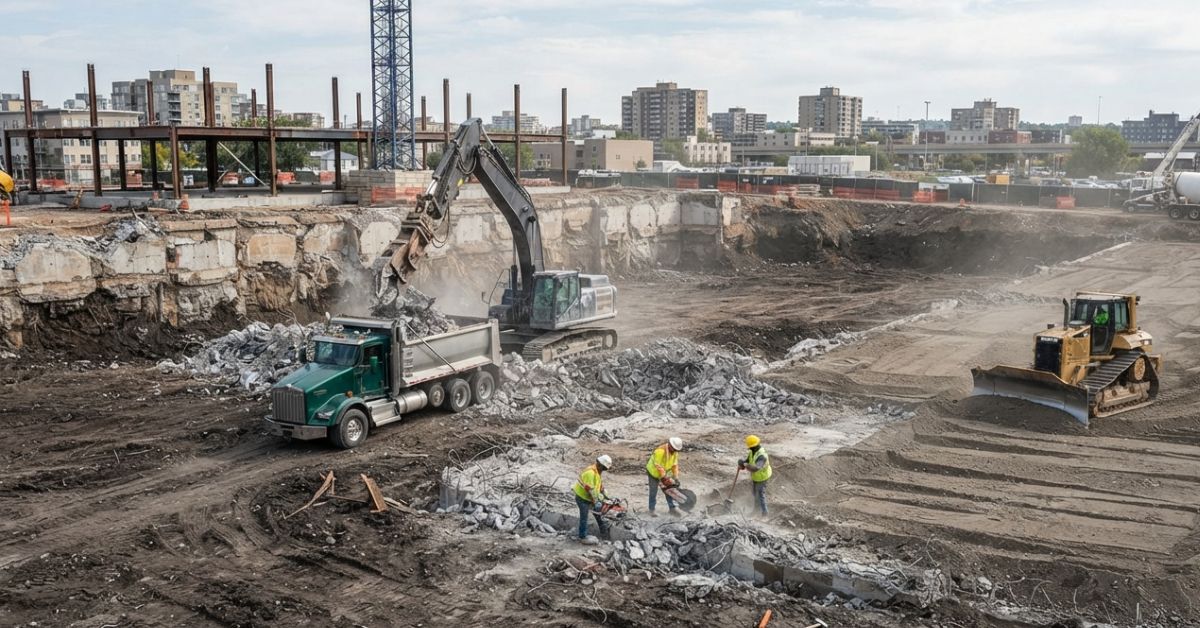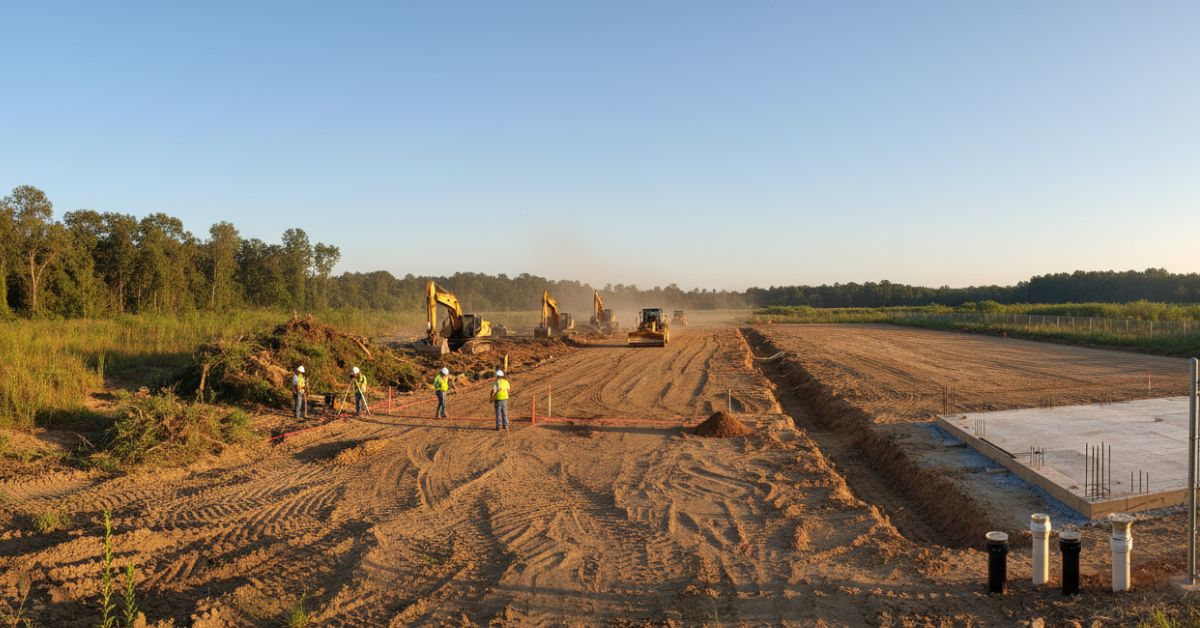
What looks like an empty piece of land is rarely ready for construction. Beneath the surface, there can be hidden challenges like unstable soil, poor drainage, or uneven ground that can affect the entire project. That is why the real work begins long before the first brick is laid.
Turning raw land into a construction-ready site is an important first step in any building project. Construction site preparation ensures that the land is safe, stable, and suitable for building. Without proper preparation, projects can face delays, structural issues, and unexpected costs. This guide walks you through the complete process, helping you understand how land is transformed into a site that is ready to build.
Understanding Your Land Before You Build
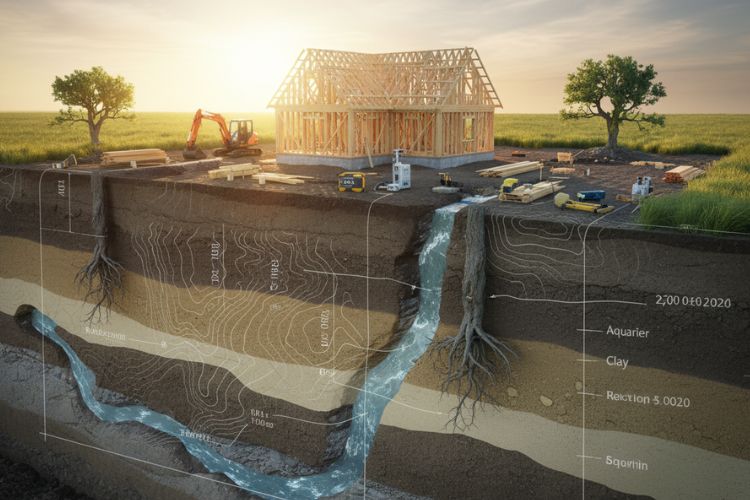
Before you start any actual work on the site, it is important to take a step back and understand the land itself. Every piece of land is different, and what looks fine on the surface may have hidden issues underneath. A proper land survey helps you clearly define boundaries, understand slopes, and spot any features that could affect your plans.
Soil testing is just as important because it tells you whether the ground is strong enough to support a structure or needs some improvement. Along with that, you also need to pay attention to things like water drainage, nearby trees, and local building rules. Taking the time to understand these details early on can save you from costly mistakes and keep your project moving in the right direction.
Clearing the Land for Construction
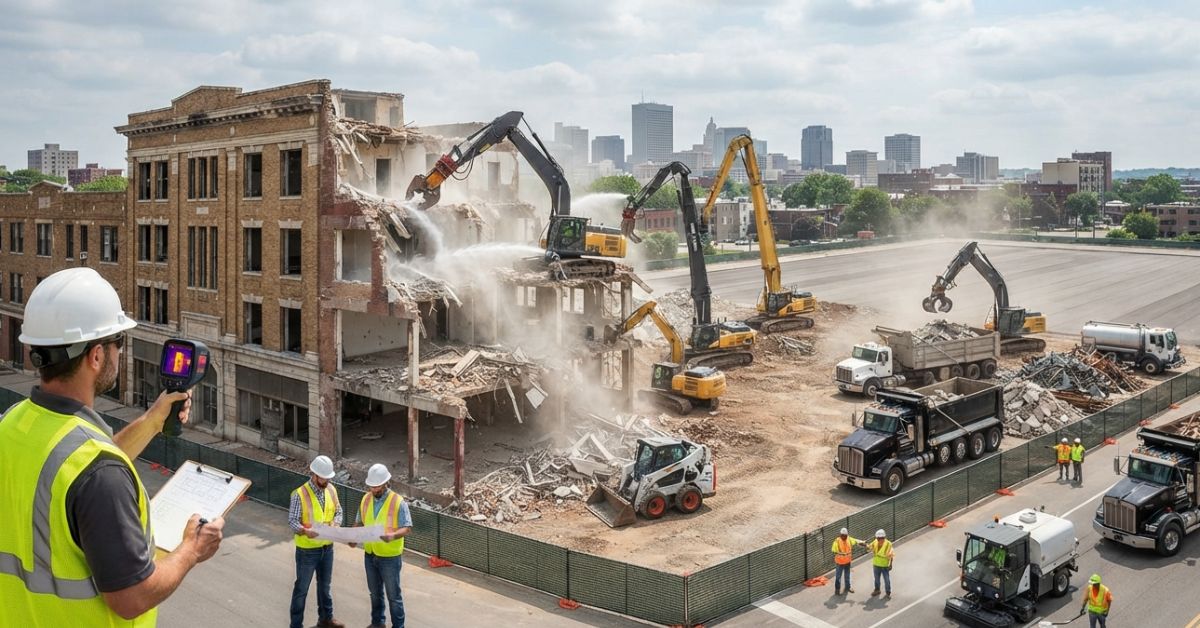
Once the land has been evaluated, the next step is clearing the site. This involves removing trees, vegetation, rocks, and debris that may interfere with construction. If there are any old structures, they are demolished to make space for new development.
This step not only prepares the land physically but also makes it easier to carry out excavation and grading. Proper waste disposal and safe handling practices are important to minimize environmental impact and maintain compliance.
Shaping the Land Excavation and Grading
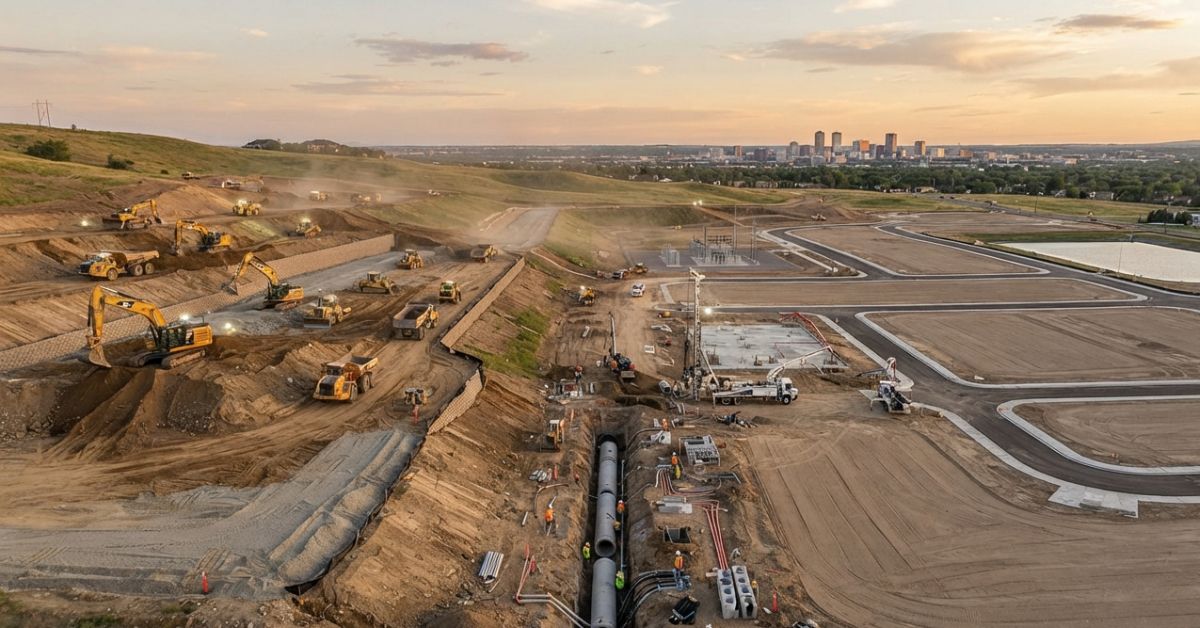
After clearing, the land needs to be shaped according to the construction plan. Excavation involves digging areas for the foundation and removing unsuitable soil. Grading ensures the land is level where needed and properly sloped for water drainage.
Proper site grading is essential because it prevents water from collecting around the structure, which can cause long-term damage. This stage is a critical part of both ground preparation and overall site preparation.
Installing Utilities to Prepare the Site
With the ground ready, utility installation begins. This includes setting up water lines, sewer systems, and drainage infrastructure. Electrical and communication lines are also installed during this stage.
Planning utilities in advance avoids complications later in the construction process. Many developers rely on professional Site development services to ensure everything is installed correctly and efficiently.
Creating a Stable Base Through Soil Compaction
Once the land is shaped, the soil must be strengthened to support the structure. Loose soil can shift over time, leading to cracks and instability. Soil compaction increases density and makes the ground more stable.
In some cases, additional stabilization methods are used to improve soil quality. This step is especially important for foundation preparation, as a strong base ensures the durability and safety of the building.
Protecting the Land with Drainage and Erosion Control
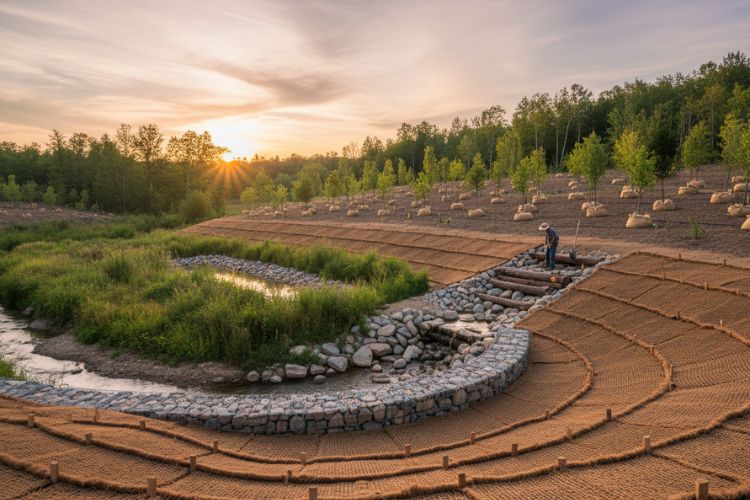
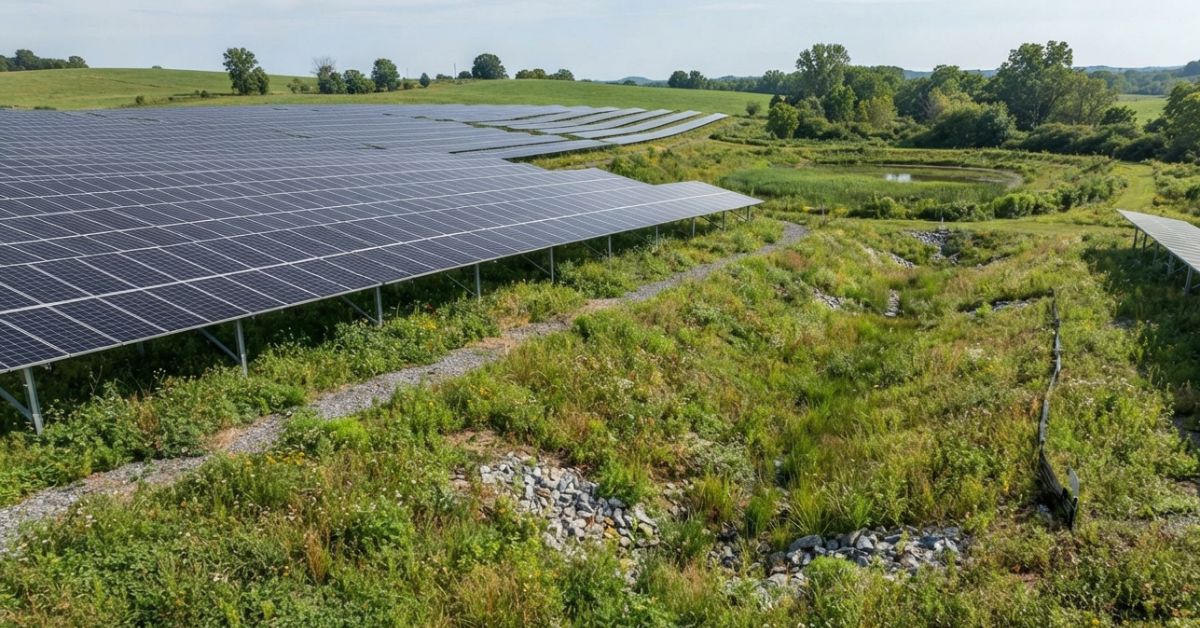
Preparing the land is only half the job. Protecting it is just as important. Without proper drainage, water can collect around the site and lead to flooding, soil weakening, and long-term damage. A well-planned drainage system helps guide water away from the building area and keeps the ground stable.
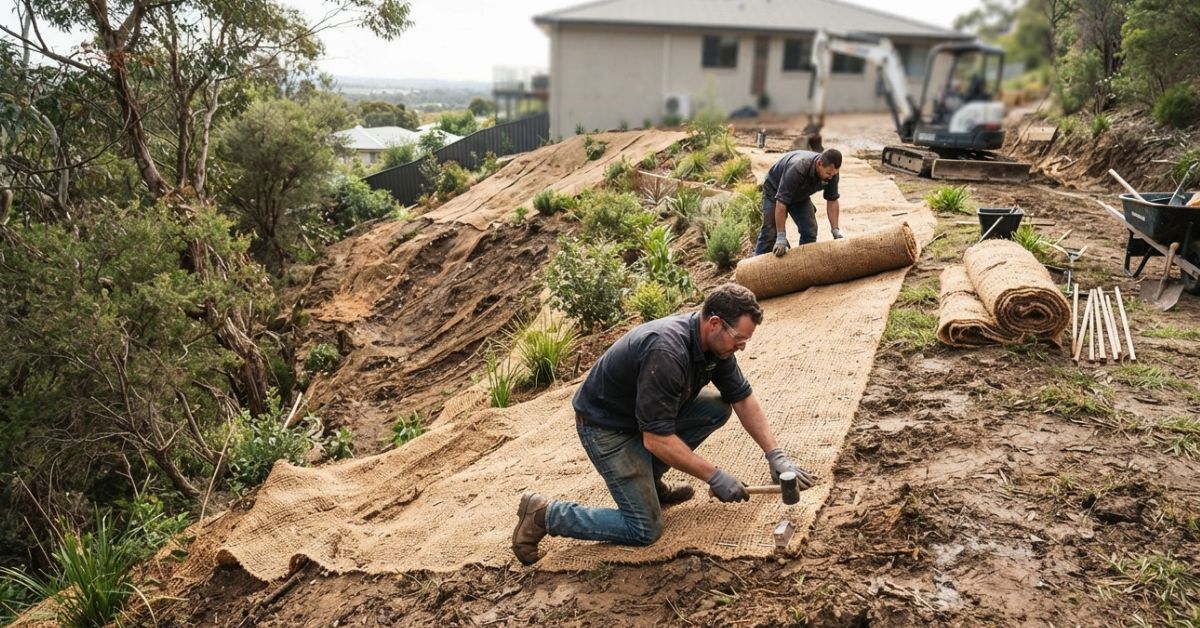
Erosion is another issue that is often ignored until it becomes serious. Heavy rain can wash away soil and undo a lot of the work already completed. Simple erosion control methods, such as barriers and proper grading, help keep the soil in place. Over time, this step plays an important role in maintaining a strong and reliable site.
Final Checks Before Construction Begins
Before construction officially begins, the site goes through a final review. Engineers and inspectors carefully check grading, soil condition, and utility installation to make sure everything meets the required standards. This step helps confirm that the site is safe and ready for building.
If any issues are found, they are fixed before moving forward. Permits and approvals are also completed during this stage. Working with an experienced site preparation contractor can make this process easier, as they understand the requirements and help avoid unnecessary delays.
Common Problems You Might Face
Even with the best planning, things don’t always go exactly as expected during construction site preparation. One of the most common issues is poor soil quality, which can require extra work to stabilize and may increase both time and cost. The weather is another factor you can’t control. Heavy rain or extreme conditions can slow down progress and sometimes even pause work completely.
There can also be surprises hidden beneath the surface, like large rocks, drainage issues, or uneven ground. These unexpected challenges can affect your timeline, but being aware that they can happen helps you stay prepared and handle them more calmly when they arise.
Tips to Make the Process Smooth
A smooth site preparation process usually comes down to good planning and working with the right people. Experienced professionals can guide you through each step and help avoid common mistakes. It’s important not to skip key steps like soil testing or inspections, even if you’re trying to save time, because these steps actually prevent bigger problems later.
It also helps to keep a little extra budget aside for unexpected costs. Small surprises are normal in any project, and having a buffer can make things much less stressful. Staying in touch with your team and keeping track of progress will also help everything move forward smoothly.
Conclusion
Preparing raw land for construction takes time, effort, and careful attention to detail. Each step plays an important role, from understanding the land at the beginning to making sure everything is ready before construction starts. When done properly, it creates a strong and reliable foundation for the entire project.
Good site preparation not only reduces risks but also saves time and money in the long run. With the right approach and a well-prepared plan, you can move ahead with confidence, knowing your land is truly ready for the next phase of building.
Working with the right team can make the entire site preparation process much smoother. J.E. Shurden Construction brings experience in site preparation, grading, and land development, helping ensure projects start on a strong foundation. Their focus on quality and efficiency makes them a reliable choice for turning raw land into a ready-to-build site.
FAQs
How long does site preparation take?
It usually takes a few weeks to several months, depending on the project size and land condition.
Is site preparation expensive?
Costs vary, but it is a necessary investment for long-term stability.
Do permits matter?
Yes, permits ensure the project follows local regulations and safety standards.
Can any steps be skipped?
No, skipping steps can lead to serious structural and financial issues.