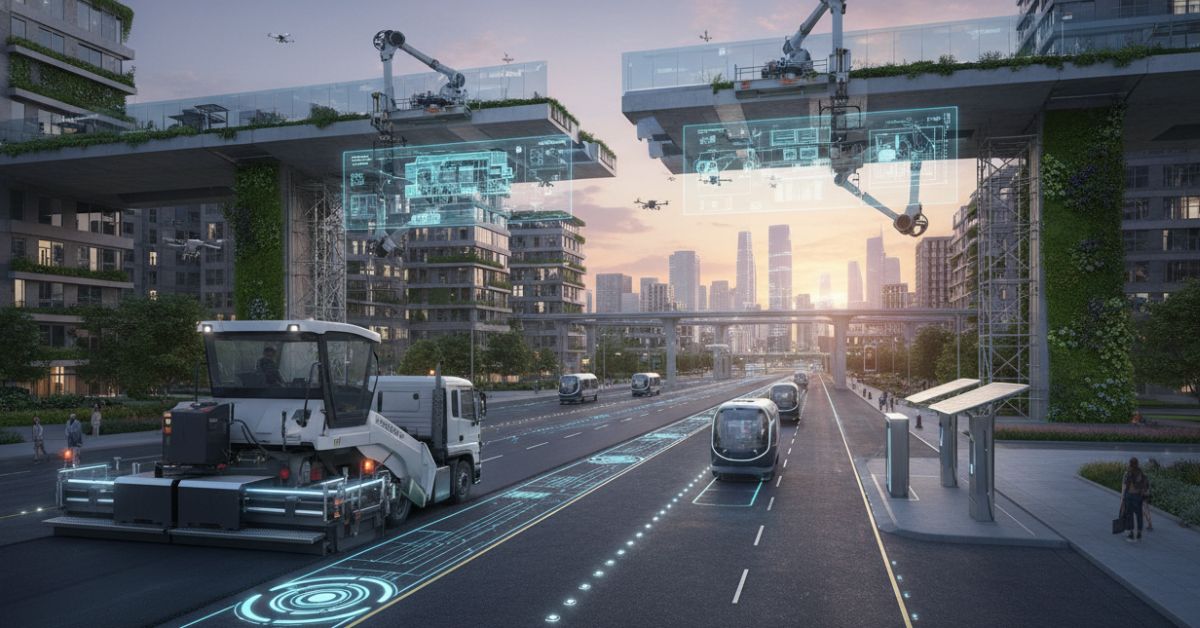
Imagine being stuck in traffic every day, with long delays and unpredictable travel times. Now imagine a system where traffic flows smoothly, signals adjust automatically, and your journey becomes faster and safer. This is the goal of smart transportation.
As cities continue to grow, transportation systems are under increasing pressure to keep movement efficient and reliable. People expect quicker travel, dependable routes, and safer roads in their daily lives. This demand is driving the shift toward smarter transport solutions that rely on technology and real-time data.
Behind these advanced systems is a carefully built physical foundation that supports everything from traffic flow to connectivity. Without strong and well-planned infrastructure, even the most advanced solutions cannot function effectively.
The Role of Civil Construction in Smart Transportation
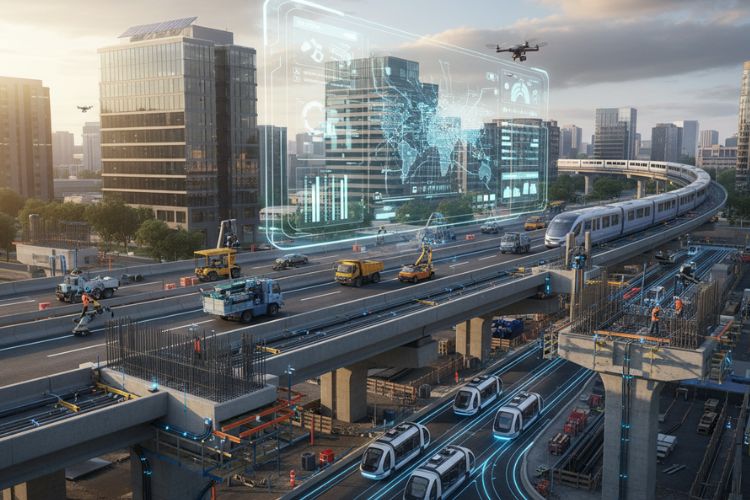
Smart transportation is not just about using advanced technology. It also depends on a strong and carefully built physical environment that allows these systems to operate smoothly and adjust over time. Civil construction plays an important role in creating this base by developing infrastructure that supports efficiency, flexibility, and long-term performance.
From the early stages to final execution, each step in construction helps shape a system that can handle present needs while staying ready for future improvements.
Planning Infrastructure for Smart Integration
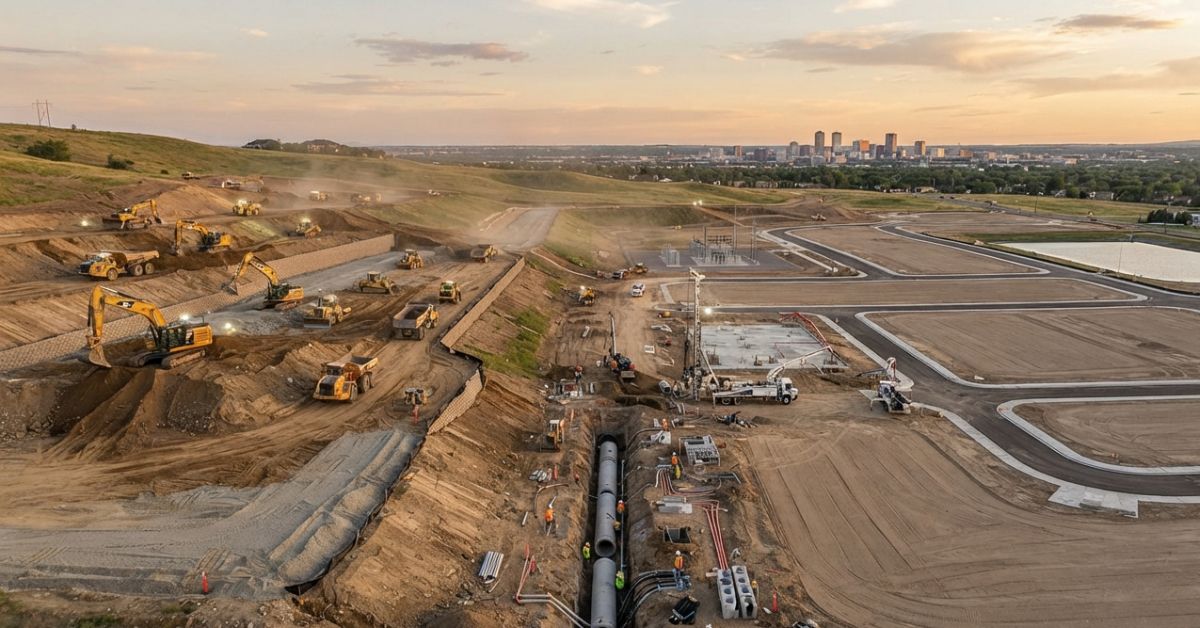
Before any smart system can function effectively, the groundwork must be carefully planned. It is not just about building roads, but about designing a network that supports movement, connectivity, and future growth from the very beginning.
This stage focuses on organizing road layouts, space, and structural elements in a way that handles current traffic needs while allowing room for expansion. Instead of reacting to problems later, planners aim to reduce them early through thoughtful design.
Strong transportation planning ensures that infrastructure is positioned in a way that keeps traffic moving smoothly across different areas. It also helps manage congestion by distributing traffic more evenly and reducing pressure on high-traffic routes.
Supporting Communication and Data Networks
Smart transportation systems need fast and smooth communication to work properly. For this, the infrastructure must support strong and reliable data flow between different systems.
During construction, space is created for cables and network systems so everything stays connected. These systems help share information quickly, which is important for managing traffic and keeping things running smoothly.
Good transportation infrastructure keeps these networks stable, even when there is heavy usage. Many projects rely on a professional civil construction company to make sure these systems are installed correctly and work efficiently over time.
Building Roads That Enable Smart Technologies
Today’s roads are designed with more purpose than just supporting vehicles. They are built to work alongside technology. With advanced civil construction, roads can include features such as sensors and responsive traffic systems that improve overall efficiency.
These smart features allow smart transport systems to gather real-time information directly from the road. This helps improve traffic control, reduce delays, and enhance the overall performance of modern transportation networks.
Improving Traffic Flow Through Better Design
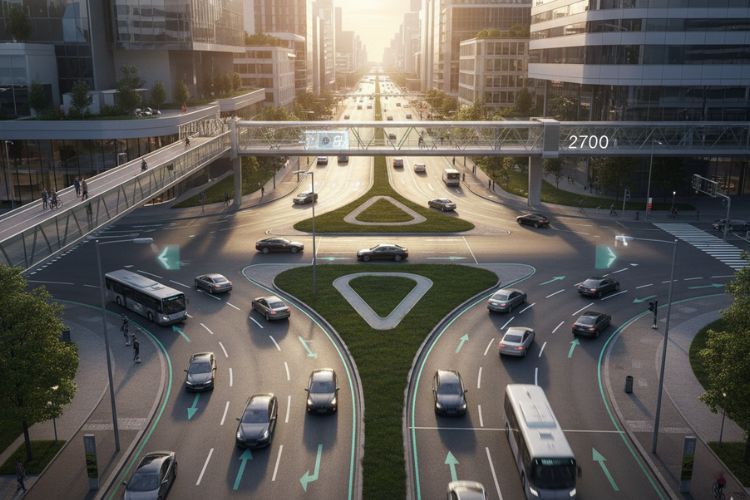
Traffic flow is directly influenced by how roads are structured. Instead of relying only on technology, construction design plays a major role in reducing delays. Strategic layouts help vehicles move more naturally without unnecessary interruptions.
Carefully designed intersections, merging lanes, and route connections allow traffic management systems to perform more effectively. When the physical design supports smooth movement, these systems can optimize traffic patterns with greater accuracy.
Enhancing Safety with Smart Infrastructure
Safety starts with good design. The way roads are planned, marked, and built directly affects how safely people can travel. Clear layouts, proper spacing, and good visibility help drivers make better decisions and reduce the chances of accidents.
When technology is added, safety improves even further. Smart transport systems can detect unusual situations and respond in real time. Alerts, signal adjustments, and automated responses help manage risks early, creating a safer and more controlled travel environment for everyone.
Enabling Multi-Modal Transportation
Today’s cities are not built just for cars. People rely on different ways to travel, including buses, bicycles, and walking. A well-designed system needs to support all these options equally to keep movement smooth and efficient.
With thoughtful civil construction, urban spaces can be designed to connect different modes of transport easily. Dedicated lanes, accessible pathways, and well-planned transit points make it easier for people to switch between options. This flexibility improves accessibility and supports the growth of modern transportation systems.
Preparing Infrastructure for Future Technologies
Transportation is constantly evolving, and infrastructure must keep up with these changes. New developments such as electric vehicles and automated systems require roads and facilities that are designed with future needs in mind, not added later as an afterthought.
Forward-thinking transportation planning helps ensure that infrastructure stays relevant as technology advances. Flexible designs make it easier to introduce upgrades without major disruptions. Many organizations rely on advanced civil construction solutions to develop systems that are strong, adaptable, and built for long-term performance.
Conclusion
As cities continue to grow and mobility needs become more complex, the demand for smarter transportation solutions is only increasing. However, these systems cannot succeed without a strong physical base that supports their operation.
Civil construction plays a crucial role in shaping this foundation by ensuring that infrastructure is built to handle both present demands and future changes. With careful design and forward-thinking planning, it becomes possible to develop systems that are not only efficient but also reliable over time.
This approach helps create transportation networks that can adapt, perform consistently, and support sustainable urban development for years to come.
FAQs
How does civil construction support smart transportation?
Civil construction lays the groundwork that smart systems depend on. It shapes roads and infrastructure in a way that allows technologies like sensors and traffic controls to function effectively.
What role does infrastructure play in smart transport systems?
Infrastructure acts as the link that connects everything. It supports the movement of traffic, enables communication between systems, and helps keep transportation running smoothly.
Can existing roads support smart technologies?
Yes, they can. With the right upgrades, older roads can be adapted to include modern features, allowing them to support smart systems without needing complete reconstruction.
How do traffic management systems improve roads?
They use real-time information to monitor traffic and adjust signals or routes as needed. This helps reduce delays, ease congestion, and improve overall travel flow.
Why is planning important in transportation systems?
Planning ensures that infrastructure is designed to meet current needs while staying flexible for future developments. It helps prevent issues and keeps the system efficient over time.