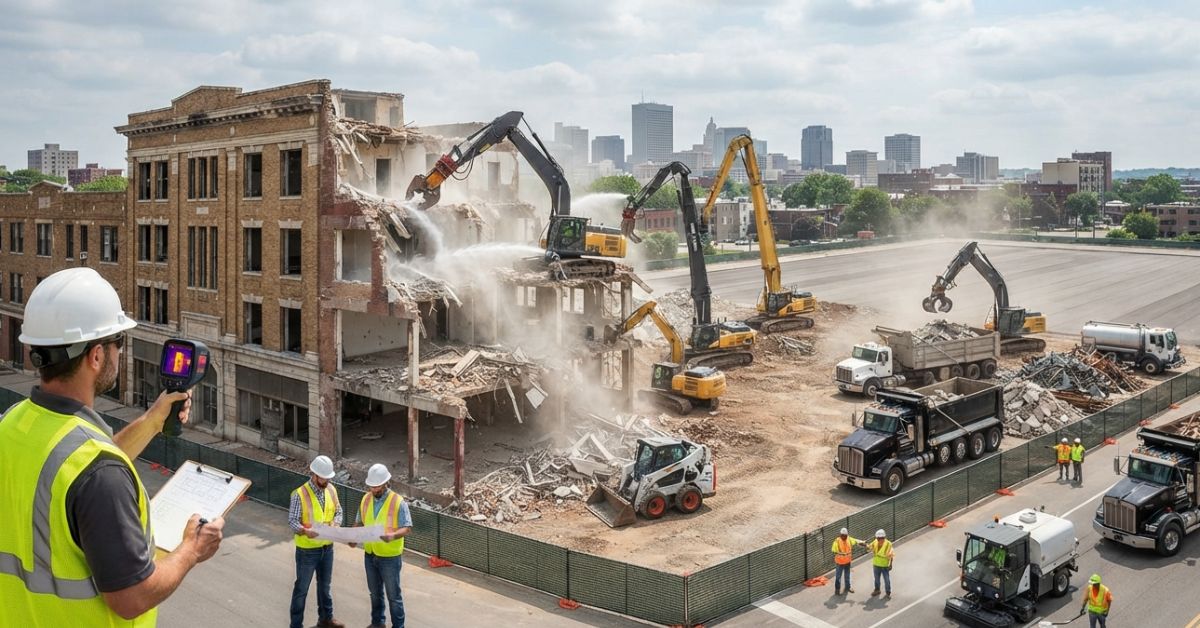
Taking down a building may look like the main part of demolition, but much of the work happens before the first wall comes down. The property needs to be checked, utilities must be dealt with, permits may be required, and crews need a clear plan for handling debris.
A Professional Demolition job follows an organized path from the first site visit to the final cleanup. Each stage prepares the property for the next one and helps prevent problems once heavy equipment arrives. Here is what usually happens during a Demolition Project and why the work starts well before the actual teardown.
Start With a Close Look at the Property
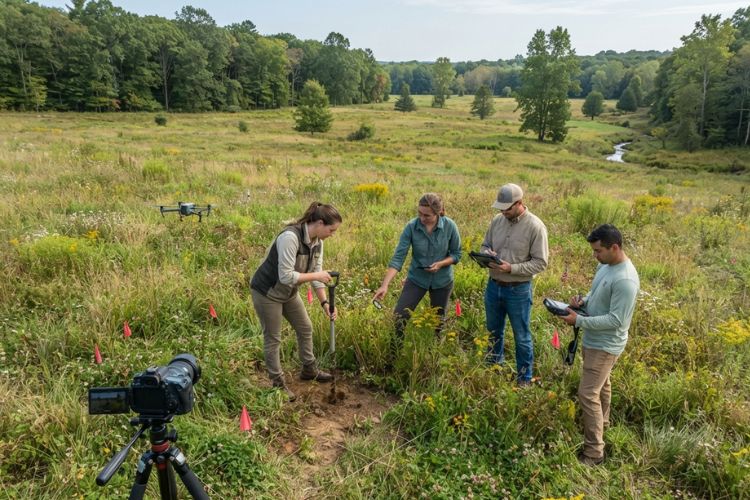
The first visit gives the Demolition Contractor a chance to understand what they are dealing with. The building’s size, condition, materials, and location all matter. Crews may also look at nearby homes, fences, roads, trees, and other features that need to stay untouched.
Access is another concern. Large machines and debris trucks need enough room to enter, work, and leave safely. These details help shape the Demolition Process, including what equipment may be used and how the work area will be set up.
Check for Materials That Need Special Handling
Older buildings can contain materials that should not be mixed with ordinary debris. Depending on the property and local rules, testing may be needed for asbestos, lead, or other harmful materials before demolition begins.
If something is found, it may need to be removed separately by trained workers. This is one reason professional demolition services begin with careful checks rather than immediately bringing in machinery. Finding these issues early can also prevent unexpected stops once the work is underway.
Get Permits and Prepare the Paperwork
Demolition rules can vary from one place to another. Some jobs require permits, building records, waste plans, or other approvals before work can start. The requirements may also change based on the type and size of the structure.
A Professional Demolition team checks which rules apply to the property and plans the work around them. Handling these details before teardown can help avoid delays caused by missing documents or inspections.
Disconnect Utilities Before Work Begins
Electricity, gas, water, and other services need attention before walls or floors are removed. Active lines can create serious problems if they are hit during the work. Underground pipes and cables may also need to be located before heavy machines move across the property.
Utility companies may be involved in shutting off or disconnecting some services. The crew should confirm that required lines are safe before moving ahead. These checks are an important part of preparing a Demolition Project for the physical work.
Set Up the Site for Demolition
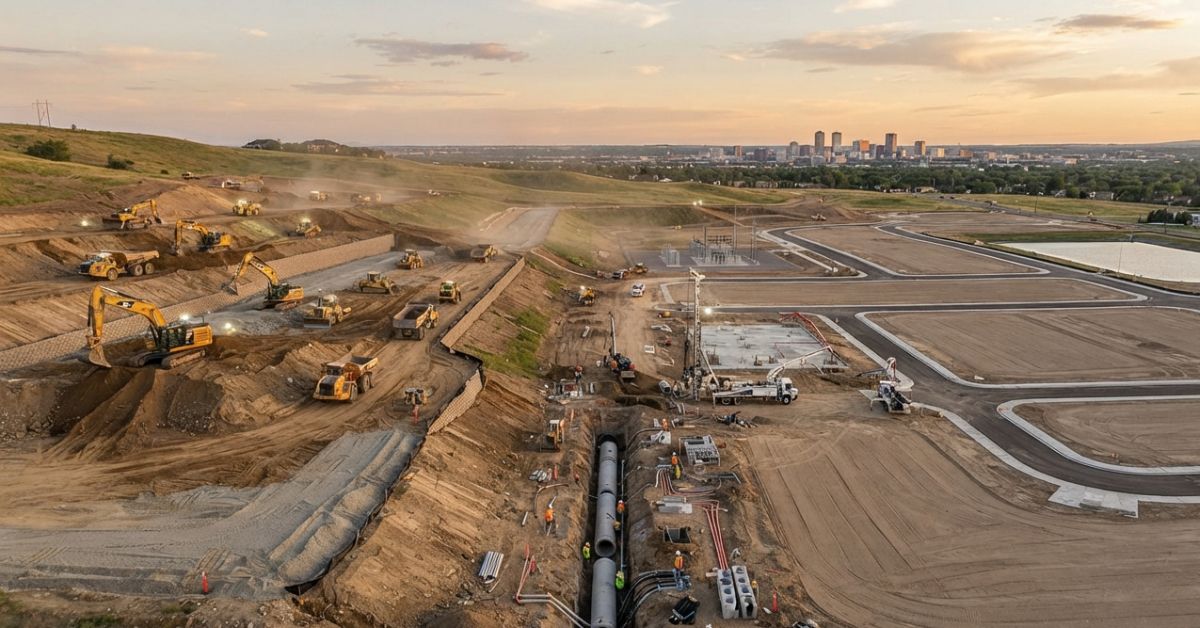
Once the early checks are complete, attention turns to the work area itself. Fencing or barriers may be added to keep people away from active sections. Crews also plan where machines will operate and where trucks can be loaded without blocking safe movement.
Dust control and nearby property protection are considered at this point as well. Following suitable demolition precautions before work starts helps reduce avoidable risks and keeps the site easier to manage once debris begins to build up.
Choose a Method That Fits the Building
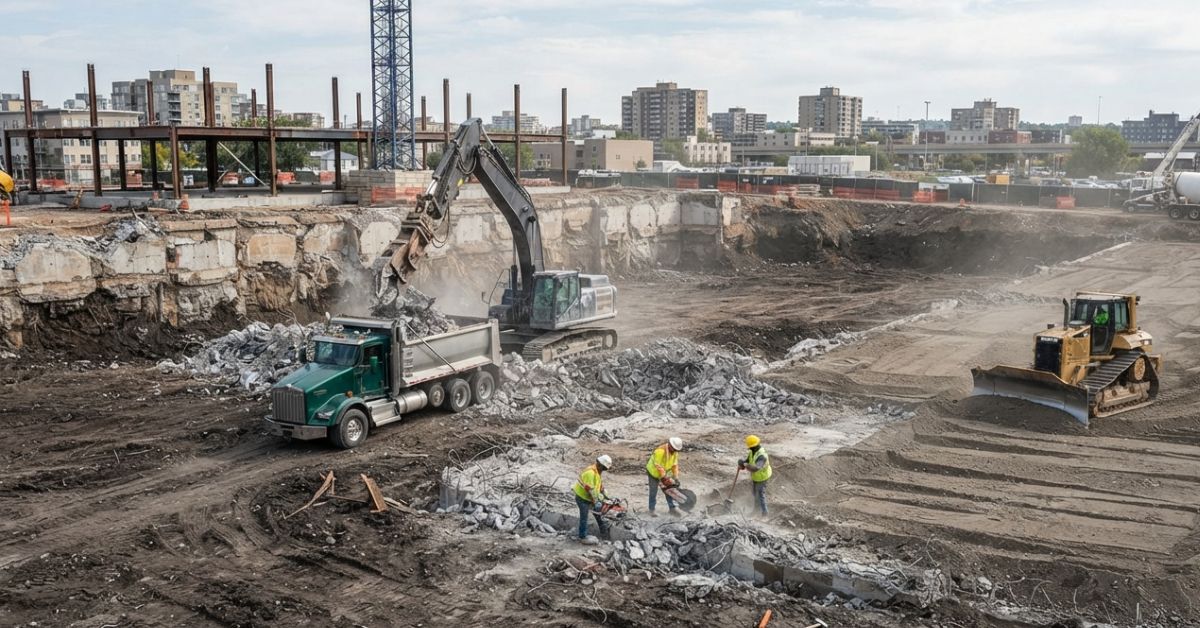
Not every structure should come down in the same way. Mechanical demolition uses excavators and other heavy equipment to remove larger parts of a building. It is often practical when there is enough space for machines to move safely.
Selective demolition is different. Workers remove certain walls, fixtures, or sections while leaving other parts in place. A Demolition Contractor may choose one method or use a mix of both depending on access, building condition, surrounding property, and what the owner plans to do with the site afterward.
Take the Structure Down in a Planned Order
The actual teardown is one part of a much larger Demolition Process. Crews follow a planned order rather than knocking down sections at random. The goal is to keep the work controlled while making sure machines and workers have enough space to operate.
During Professional Demolition, crews may also watch dust, falling material, and the condition of nearby structures. The approach can change as parts of the building are removed and previously hidden areas become easier to see.
Sort Debris as the Work Moves Forward
A demolished building can produce concrete, metal, wood, glass, drywall, and many other materials. Letting everything pile up in one place can make the site harder to work around. Debris is often removed in stages as demolition continues.
Some materials may be separated for recycling or reuse where suitable facilities are available. The rest needs to be loaded and taken to an approved disposal location. Good debris handling keeps the Professional Demolition site clearer and makes the final cleanup less difficult.
Clear the Property After Demolition
Taking down the last wall does not mean the work is finished. Pieces of concrete, broken materials, dust, and smaller debris can remain across the property. Demolition Site Cleanup deals with these leftovers so the area is not left covered in waste.
The exact cleanup depends on what was included in the job. Crews may remove remaining rubble, deal with unwanted foundation material, and level disturbed sections where required. A thorough Professional Demolition job should leave the property in the condition agreed on before work began.
Complete a Final Walkthrough
Before the crew leaves, the cleared area should be checked again. This gives the team a chance to find pieces of debris that were missed, review the ground, and make sure the agreed work has been completed.
Demolition Site Cleanup may also include checking access areas where trucks and machines were moving. If local rules call for a final inspection, that step may need to be completed before the job can officially close.
What Can Change the Demolition Timeline?
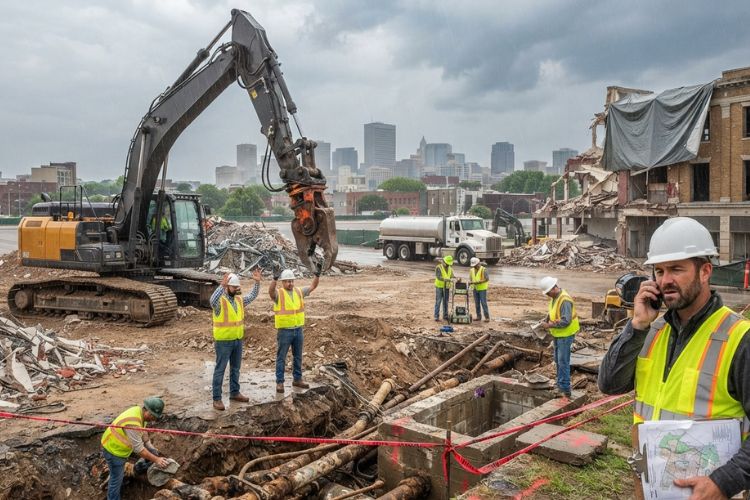
There is no single timeline that works for every building. A small detached structure may require much less work than a large commercial property. Building materials, limited access, utility delays, permits, and hazardous material removal can all add time.
Weather and the amount of debris also matter. This is why planning is such an important part of Professional Demolition. A clear schedule can account for known tasks, but crews may still need to adjust if site conditions change once work begins.
Conclusion
Demolition is more than bringing down walls. Inspection, permits, utility checks, site setup, controlled removal, debris handling, and cleanup all have a place in the job. Each stage helps the next part move more smoothly.
A well-planned Professional Demolition job takes the property from its original condition to a cleared site ready for whatever comes next. Careful planning and proper cleanup make that full process possible.
FAQs
How long can a demolition job take?
The timing is different for every property. Building size, easy or limited access, permits, and the amount of material to clear can all affect how long the work takes.
Is a permit needed before demolition starts?
In many places, yes, but the rules are not the same everywhere. The type of building and local requirements will decide what approval is needed before work begins.
Where does all the debris go after demolition?
Not everything goes straight to waste. Concrete, metal, wood, and other usable materials may be separated for recycling, while the remaining debris is taken to the proper disposal site.
What happens to gas, water, and electricity before demolition?
These services are usually shut off or safely disconnected before teardown begins. This keeps active lines from causing problems once crews and heavy equipment start working.