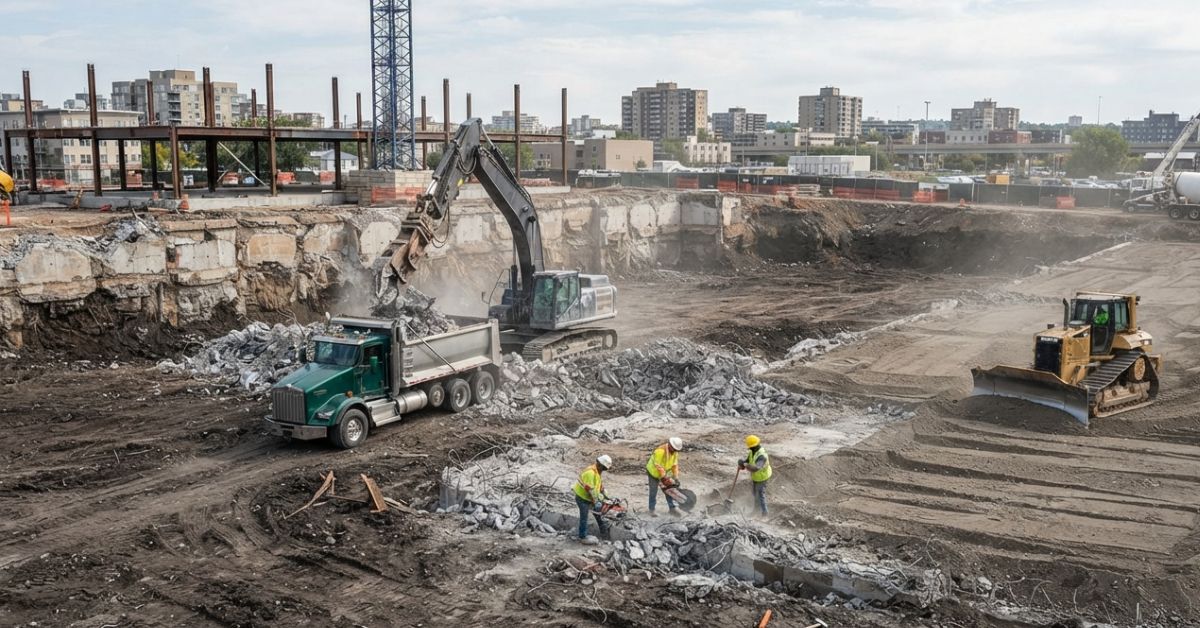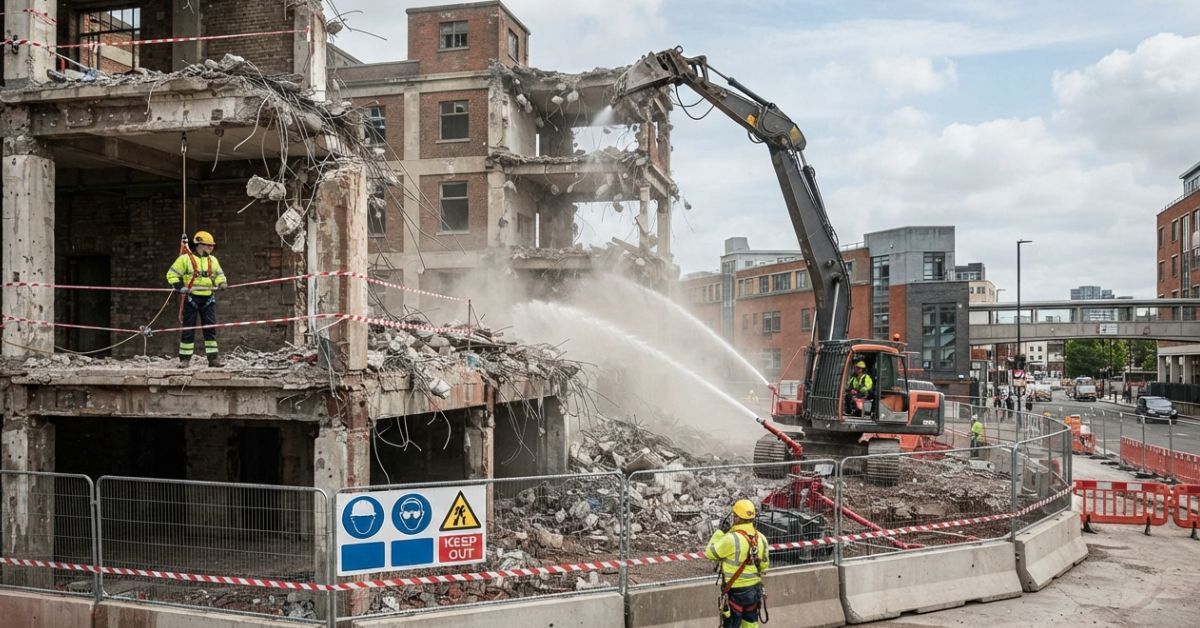
Structural demolition is not simply a matter of taking a building apart. Removing walls, floors, beams, or other components can change how the remaining structure carries weight. Without proper planning, workers can face falling materials, unstable sections, exposed utilities, dust, and other demolition hazards.
Safe work starts before equipment arrives on site. A detailed assessment, controlled work area, planned sequence, and trained crew can reduce risks and help keep the project moving in an organized way.
Planning the Demolition Approach
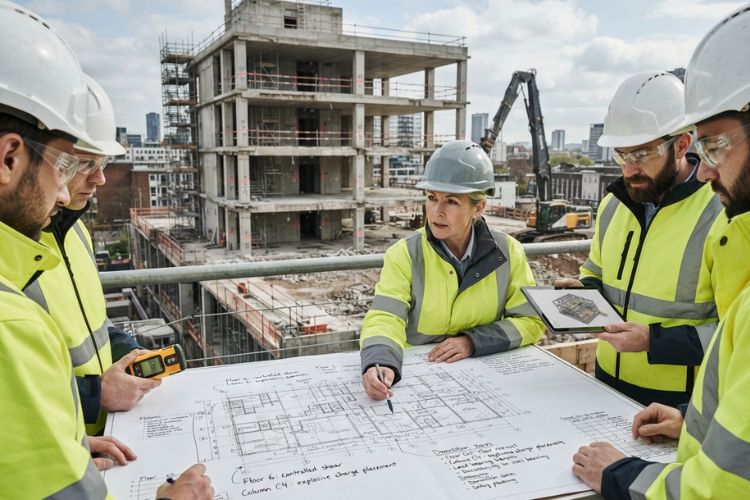
Every structural demolition project needs a plan based on the building and the conditions around it. The structure should be inspected for its materials, load-bearing components, previous alterations, weakened areas, and other factors that could affect how the work is carried out.
The surrounding property matters too. Nearby buildings, roads, utility lines, pedestrians, and workers may all be affected during demolition. A smaller structure may require a different method from a large reinforced concrete building, while a site beside a busy road may need additional controls. Professional demolition should therefore be planned around the actual site conditions, with appropriate demolition precautions in place before work begins.
Important Safety Measures for Structural Demolition
Safe structural demolition depends on more than one control. Different parts of the project require different measures, from structural assessment to worker protection and emergency planning.
Assessing the Structure Before Demolition
A thorough inspection should come before any work starts. The crew needs to understand how the building is put together, including its walls, floors, roof, framing, and foundation. This can also reveal areas that have already been weakened.
Past renovations, fire or water damage, and other structural changes can affect the building’s stability during demolition. Spotting these issues early gives the crew a better idea of how to approach the work and whether extra support, such as bracing or shoring, is needed.
Identifying Potential Hazards on Site
Demolition can bring several risks together in one work area. Falling debris, unstable walls, heavy equipment, dust, noise, fire, and hazardous materials all need to be considered before work begins.
Some risks may not be visible at first. Materials such as asbestos, lead, or chemicals can be hidden inside walls, ceilings, floors, or insulation. Once these hazards are identified, the crew can put the right demolition precautions in place and make sure everyone understands how those risks will be managed.
Follow a Planned Demolition Sequence
Demolition works best when each part of the building is taken down in a controlled order. Removing a wall, beam, or other key component too early can place unexpected stress on the sections that remain.
The sequence will vary depending on the structure, but crews may work from the upper portions downward while keeping lower areas stable. Load-bearing elements should only be removed when the project plan allows it. If workers notice movement, fresh cracks, shifting materials, or other unusual changes, the job should pause until the situation has been reviewed.
Address Utilities Before Work Starts
Before demolition begins, the crew needs to know what utilities are running through the building. Electrical wiring, gas lines, plumbing, steam pipes, and sewer connections can all create serious problems if they are left active.
These services should be located and safely shut off, disconnected, capped, relocated, or protected before work starts. Older buildings can be trickier because utility records may be missing or out of date. Checking walls and floors for hidden lines can help prevent surprises once removal begins.
Making utility checks part of the project’s demolition safety rules gives everyone a clearer idea of what has been handled and which areas are safe to enter.
Prevent Falls and Control Falling Debris
Demolition can leave open floors, shafts, roof edges, and wall openings that create serious fall risks. Workers may also be exposed to materials coming loose as sections of the building are removed.
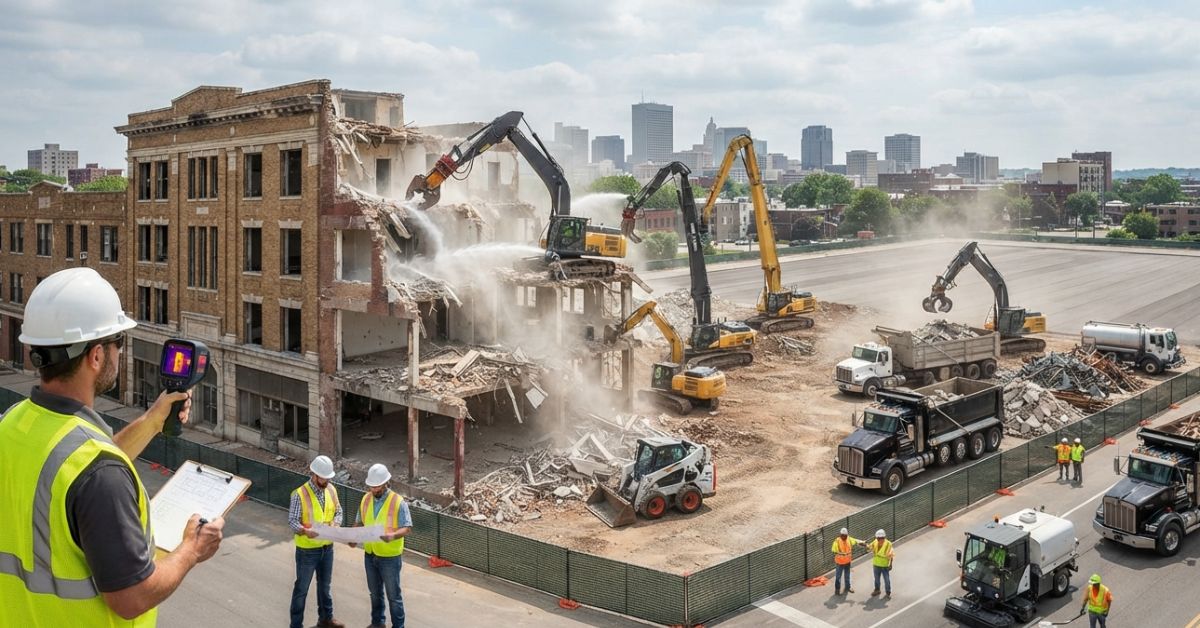
Guardrails, secure covers, barriers, and restricted areas can help keep people away from exposed edges and active work zones. Debris should also be removed regularly instead of being allowed to pile up around workers or equipment. Keeping bystanders and unauthorized personnel outside the site adds another layer of protection.
Use Appropriate Personal Protective Equipment
Personal protective equipment should match the hazards present on the site. Depending on the work, this may include hard hats, safety glasses, gloves, protective footwear, hearing protection, respiratory protection, and fall protection.
Equipment should be inspected and used correctly. However, PPE should not be treated as the only line of defense. Proper planning, engineering controls, and safe work practices should address hazards at their source whenever possible.
Control Dust and Hazardous Materials
Breaking concrete, masonry, drywall, insulation, and other materials can produce airborne dust. Excessive dust can affect workers and may also spread beyond the immediate work area.
Water-based dust suppression, appropriate containment, ventilation, and suitable respiratory protection may be used depending on site conditions.
Hazardous materials require additional care. If asbestos, lead, or another potentially harmful substance is suspected, it should be assessed and handled according to applicable requirements before affected materials are disturbed.
Keep Machinery and Debris Under Control
Heavy machinery can speed up the work, but it also needs to be used carefully. Workers should keep a safe distance from operating equipment and avoid areas where materials may be pushed, dropped, or knocked loose.
Debris needs regular attention throughout the job. Piles of material can block walkways, cover exits, create tripping risks, or get in the way of machinery. Keeping work areas reasonably clear makes it easier for the crew to move around safely and notice problems as they develop.
Keep Everyone Informed and Ready for Emergencies
Everyone on the site should know what is happening before work gets underway. Supervisors, machine operators, and other crew members need to be aware of restricted areas, equipment routes, and any changes to the work plan.
The team should also know what to do if something goes wrong. This may include a sudden structural shift, fire, damaged utility, injury, or contact with a hazardous material. If a worker notices something that does not look right, the concern should be raised immediately. Work can then be paused while the situation is checked.
When Experience Matters on Complex Projects
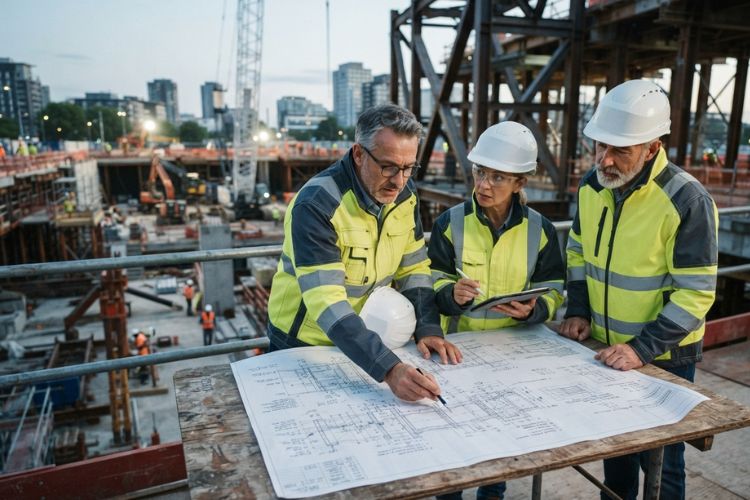
Some demolition jobs can be difficult to predict. Older buildings may have hidden damage or changes that are not shown in the original plans. Tight spaces and nearby occupied properties can also limit how equipment and crews work.
Working with structural demolition experts can make these situations easier to manage. Their experience helps with planning the removal sequence, choosing suitable equipment, deciding when extra support may be needed, and handling unexpected conditions that come up during the job.
Final Safety Check Before Work Starts
Before the first section is removed, the crew should make sure:
- The building has been properly assessed.
- Utilities have been located and dealt with safely.
- Hazardous materials have been identified.
- The removal sequence has been reviewed.
- The work area is secured.
- Restricted areas are clearly marked.
- Required protective equipment is available.
- Machinery has been checked before use.
- Emergency procedures are understood.
- Workers know who to contact if they spot a problem.
Conclusion
Safe demolition starts with knowing what you are dealing with before the work begins. Checking the structure, dealing with utilities, controlling falling debris, and keeping workers protected all help keep the job on track.
Conditions can also change once removal starts. Staying alert and reviewing anything unexpected allows the crew to deal with problems early instead of letting them grow into bigger safety concerns.
FAQs
What are the most common demolition hazards?
Falling debris, unstable structures, exposed utilities, hazardous materials, machinery, dust, noise, and falls are common risks.
Why is a structural assessment necessary?
It helps identify weak areas, load-bearing elements, and other conditions that may affect the work.
What demolition precautions should workers follow?
Crews should follow the planned sequence, control utilities, wear proper PPE, secure the site, and handle debris carefully.
Are there specific demolition safety rules?
Yes. The exact requirements depend on the project, but they generally address structural stability, worker protection, equipment use, hazardous materials, and emergency procedures.
When should professionals handle demolition?
Complex, damaged, unstable, or hazardous structures may need experienced crews with the proper equipment, planning, and safety controls to carry out the work safely.