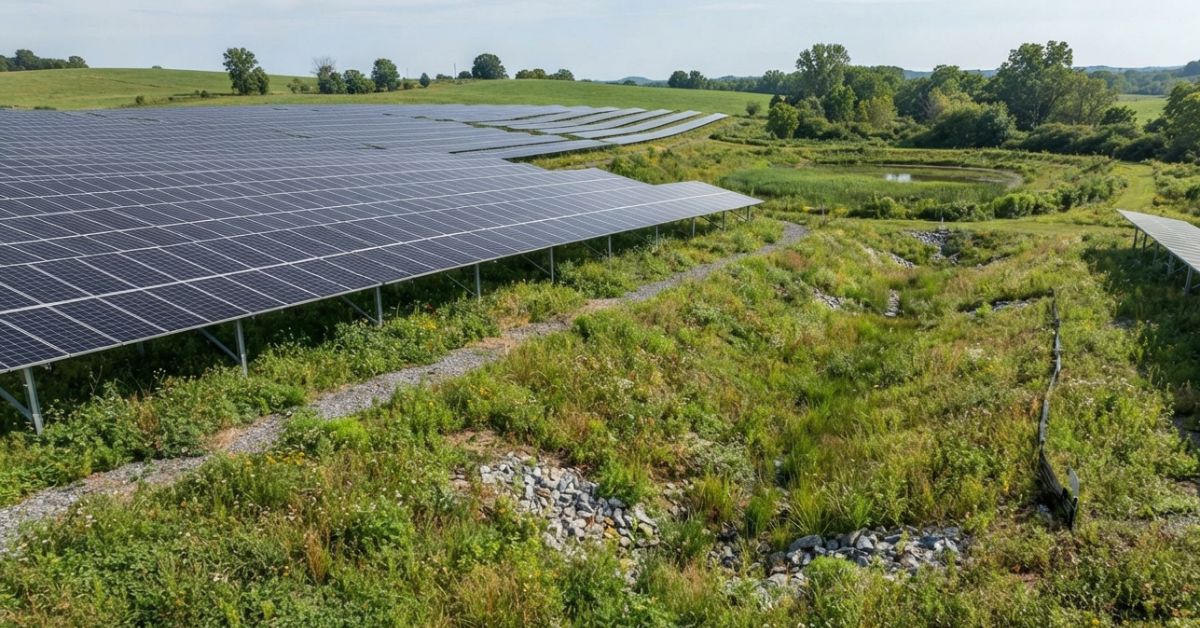
After a heavy rain, small changes around a solar farm can tell a bigger story. Soil may collect at the bottom of a slope, water may sit beside an access road, or a new rut may appear near a panel row. These are signs that rain is not moving through the site as well as it should.
Good Solar Farm Erosion Control is about dealing with that water before more ground is lost. Grass and other plants help hold soil in place and slow water as it moves. Drainage gives extra water somewhere to go when it starts to build up. Using both together can keep wet areas, slopes, and other weak spots from washing away over time.
Why Vegetation and Drainage Work Better Together?
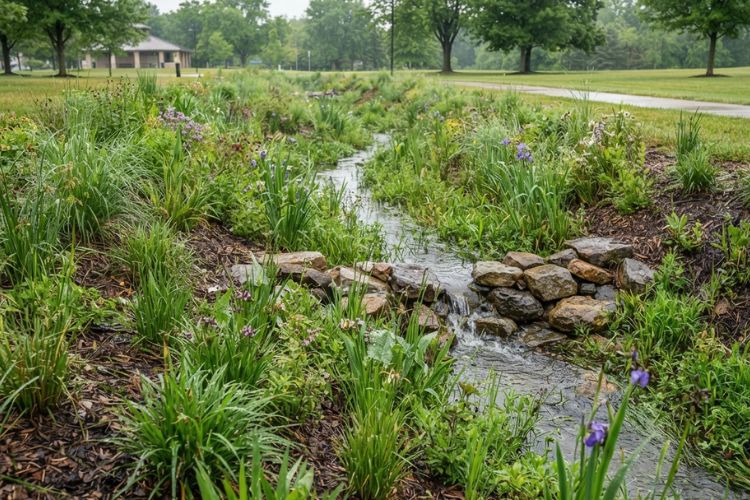
Grass and other ground cover help exposed soil stand up better to rainfall. Their roots hold the surface together, and the growth above ground slows runoff before it can pick up much speed.
That protection has its limits. When runoff from several areas meets, it can push through planted sections and start wearing narrow paths into the soil. Swales and other drainage features help carry this extra water away, but where they discharge matters. If the outlet ends on bare or unstable ground, erosion can simply begin there instead.
This is why erosion control for solar farms should bring planting and drainage into the same plan. Vegetation works well across areas that receive lighter runoff, while drainage is better suited to spots where water gathers. Used in the right places, both help keep soil from being carried across or off the site.
Match Vegetation With Existing Water Paths
It is often easier to spot problem areas just after a good rain. Puddles, muddy tracks, thin grass, or small lines of washed soil can show exactly where water keeps returning. These clues can help decide where thicker ground cover is worth adding and where planting alone may not solve the issue.
Paying attention to these spots can reduce Solar Farm Soil Erosion before a small worn patch turns into a deeper rut. Solar Farm Vegetation Management should work around the drainage already on the property too. Culverts need to stay open, channels should have enough room to carry water, and areas that keep losing plants deserve a closer look. Sometimes the real problem is not poor growth at all. It is simply too much water passing through the same place.
Use Vegetated Swales to Connect Both Methods
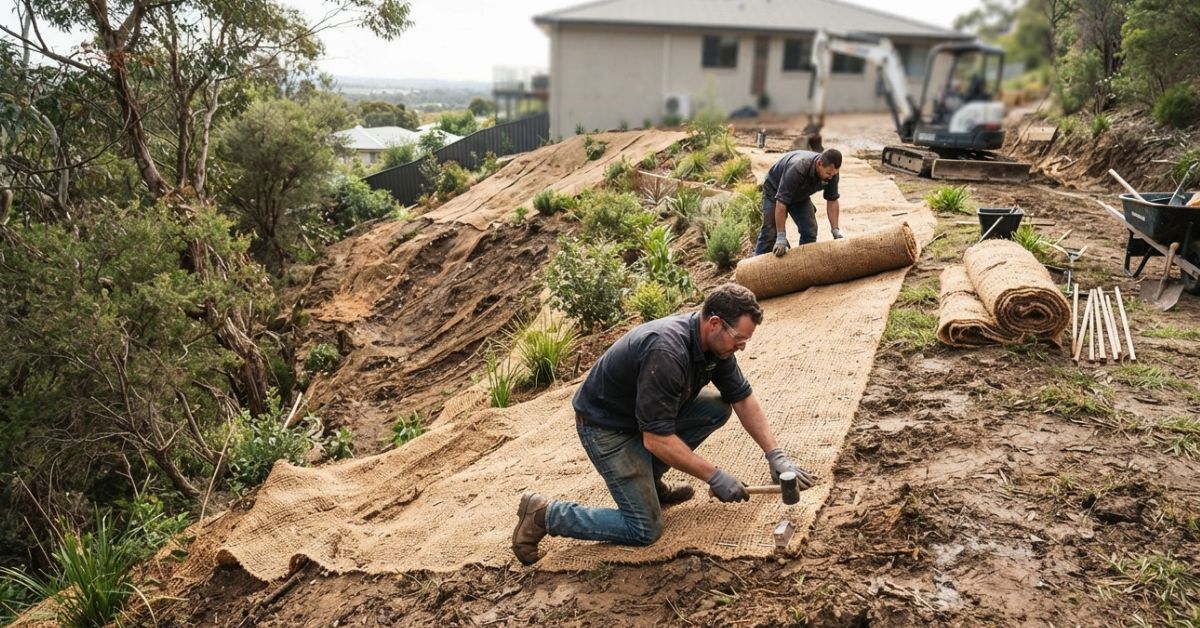
Vegetated swales give collected rain a clear route while protecting the soil beneath it. Grass and other low-growing plants help strengthen the channel surface, so flowing water is less likely to cut into the ground.
Over time, sediment can collect, and plant cover may become patchy. Clearing buildup and restoring bare sections helps the swale carry water properly and remain useful for Solar Farm Erosion Control.
Direct Panel Runoff Toward Stable Vegetation
Solar panels can send repeated drips onto the same narrow strip below their edges. Without enough plant cover, that constant impact may loosen the surface and gradually form small ruts. Healthy vegetation can cushion these spots and keep lighter flows from carrying soil away.
When more water collects, Solar Farm Drainage Solutions can guide it toward a swale or another secure outlet. The final discharge point should be stable as well. Moving water onto exposed or sloping ground may only shift the erosion problem to a new location.
Protect the Points Where Drainage Meets Vegetation
Transition areas are easy to overlook. These are locations where water leaves a culvert, channel, swale, or other drainage feature and enters a vegetated area.
Runoff may still have considerable speed at these points. If it reaches plants too forcefully, it can flatten vegetation, expose roots, and begin removing soil.
Good Solar Site Erosion Control therefore includes a smooth transition between drainage structures and planted areas. Water may need to slow or spread before entering the vegetation so that one narrow stream does not cut through the ground cover.
The ground near a drainage outlet can change after heavy rain. Look for loose soil, worn grass, small holes, or new water paths. These signs can show that too much water is reaching one spot. Regular checks can help catch the problem before more soil washes away.
Give New Vegetation Time to Become Established
New plants do not provide immediate protection. Seeds and young roots can be washed away if concentrated runoff crosses the area before vegetation has developed.
Drainage should therefore protect newly planted ground during the establishment period. Water may need to be redirected temporarily or slowed before reaching seeded sections.
This stage of Solar Farm Vegetation Management can include monitoring germination, repairing bare spots, and checking whether rainfall is moving seed or soil. Areas that repeatedly fail to establish may indicate an underlying runoff issue rather than a planting problem.
Coordinating establishment with drainage reduces the chance that new vegetation will need to be replaced after every major rain.
Include Both Systems in Routine Site Management
Conditions can change after construction. Sediment accumulates, plants grow, soil settles, and maintenance vehicles compact certain routes. Each of these changes can affect where water travels.
For this reason, vegetation and drainage should be reviewed together as part of solar farm site management. A blocked drainage route can push water into established vegetation, while a large bare patch can release sediment that later clogs a swale or culvert.
Inspections should look at both the source and destination of runoff rather than treating each damaged area separately. This makes it easier to understand why erosion has started and what needs to change.
Check Performance After Heavy Rain
Rainfall is one of the clearest tests of whether the combined system is working. After a significant storm, check panel drip lines, slopes, swales, culverts, outlets, and planted areas that receive runoff.
Signs of trouble may include small rills, exposed soil, sediment deposits, standing water, blocked drainage routes, or scour around outlets.
Recurring Solar Farm Soil Erosion usually deserves closer attention. Repeatedly reseeding the same patch will not help if too much water continues to cross it.
Likewise, adding another drainage feature may not solve the issue if its outlet sends water onto unstable ground. Effective Solar Site Erosion Control requires following the complete water path and correcting the point where the system is failing.
Keep the Combined System Effective Over Time
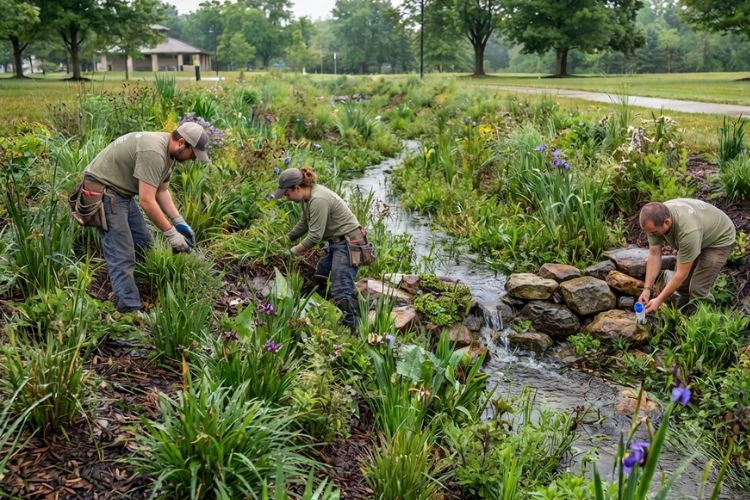
Vegetation and drainage both need occasional attention. Ground cover may thin because of weather or maintenance activity, while sediment and plant growth can alter drainage channels.
Long-term Solar Farm Drainage Solutions may require clearing blocked flow paths, removing excess sediment, repairing damaged channels, or correcting areas where runoff has changed direction.
Vegetated sections may need reseeding or other maintenance to restore continuous soil cover. Addressing small bare areas early can prevent them from becoming larger channels during future storms.
These routine adjustments keep Solar Farm Erosion Control responsive to actual site conditions instead of relying only on the original installation plan.
Conclusion
Vegetation and drainage each have a role in keeping soil where it belongs. Plants give the surface a stronger hold and take some of the force out of rainfall. When runoff begins to build, drainage carries it through areas where plant cover alone may struggle.
A practical Solar Farm Erosion Control plan follows the way rain actually moves across the property. Keep planted areas in good shape, clear sediment from swales, and watch outlets for early signs of washout. Small fixes made at the right time can save a much larger repair after the next stretch of heavy weather.
FAQs
How does vegetation help drainage on a solar farm?
Vegetation slows surface water and helps keep soil in place. It can also reduce the amount of loose sediment entering drainage channels.
Can vegetation replace a drainage system?
Sometimes ground cover is enough for areas with light runoff, but it cannot handle every situation. When water collects or moves quickly, a proper drainage route may still be needed.
Where should vegetation and drainage work together?
They are often paired around swales, slopes, panel edges, outlets, and other spots where runoff tends to collect. The right setup depends on how water moves across the site.
What can help prevent erosion near drainage outlets?
Avoid releasing fast-moving water directly onto exposed soil. Slowing or spreading the discharge before it reaches the surrounding ground can help prevent washouts and soil loss.
Why check erosion controls after heavy rain?
A storm can uncover problems that are hard to spot in dry weather. Fresh ruts, sediment buildup, damaged plants, or water taking a new route are signs that an area may need attention.