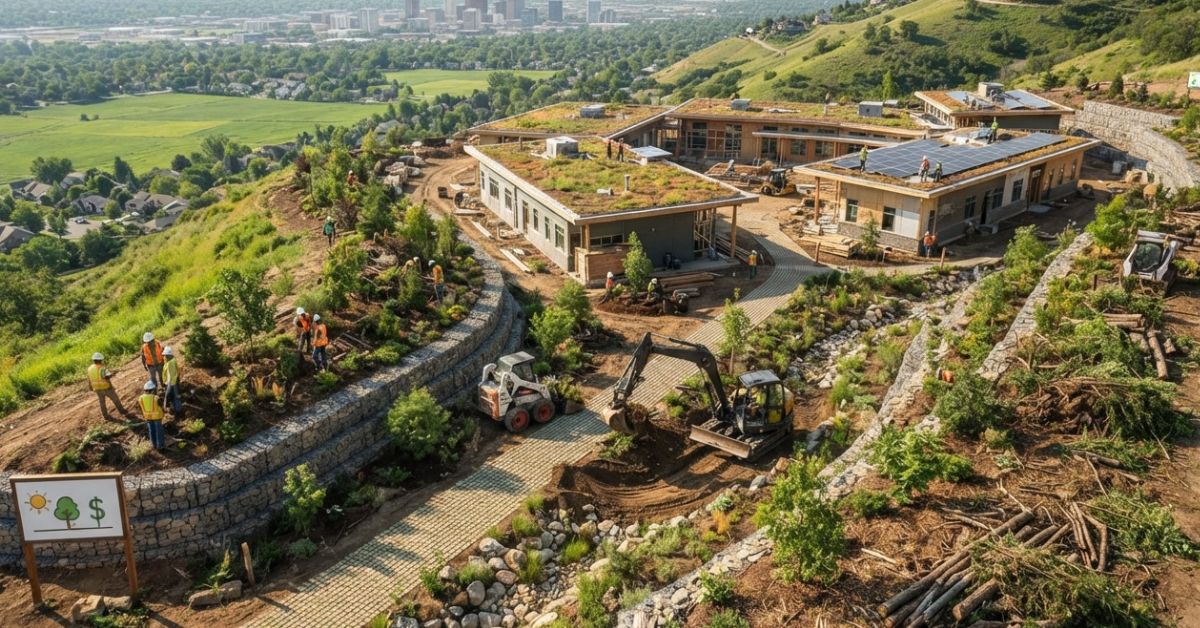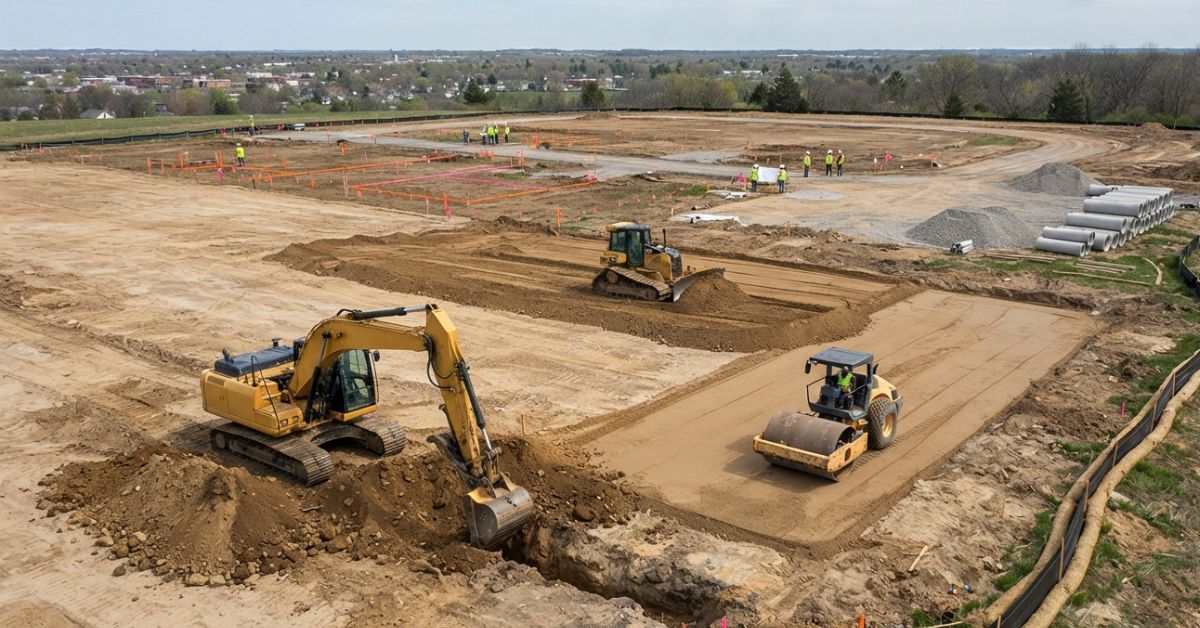
Every successful construction project begins long before foundations are poured or structures take shape. The site preparation process creates the conditions needed for safe, efficient, and accurate construction by preparing the land for every stage that follows. From evaluating existing conditions to reshaping the ground, each step plays an important role in reducing delays and supporting long-term project performance.
Although every project has unique requirements, the overall site preparation process follows a structured sequence. Understanding these stages helps project owners and contractors recognize why careful planning at the beginning often leads to fewer challenges during construction.
Every Project Starts with a Site Evaluation
Before equipment arrives on site, a detailed evaluation is carried out to understand existing conditions. Contractors assess topography, soil characteristics, drainage patterns, property boundaries, and any existing structures or utilities that could affect construction. This early assessment forms the foundation of an effective civil construction site prep plan.
A thorough evaluation also supports accurate scheduling and budgeting. Identifying challenges before work begins allows the project team to adjust the site preparation process while reducing the likelihood of unexpected delays during construction.
Clearing the Land for Construction
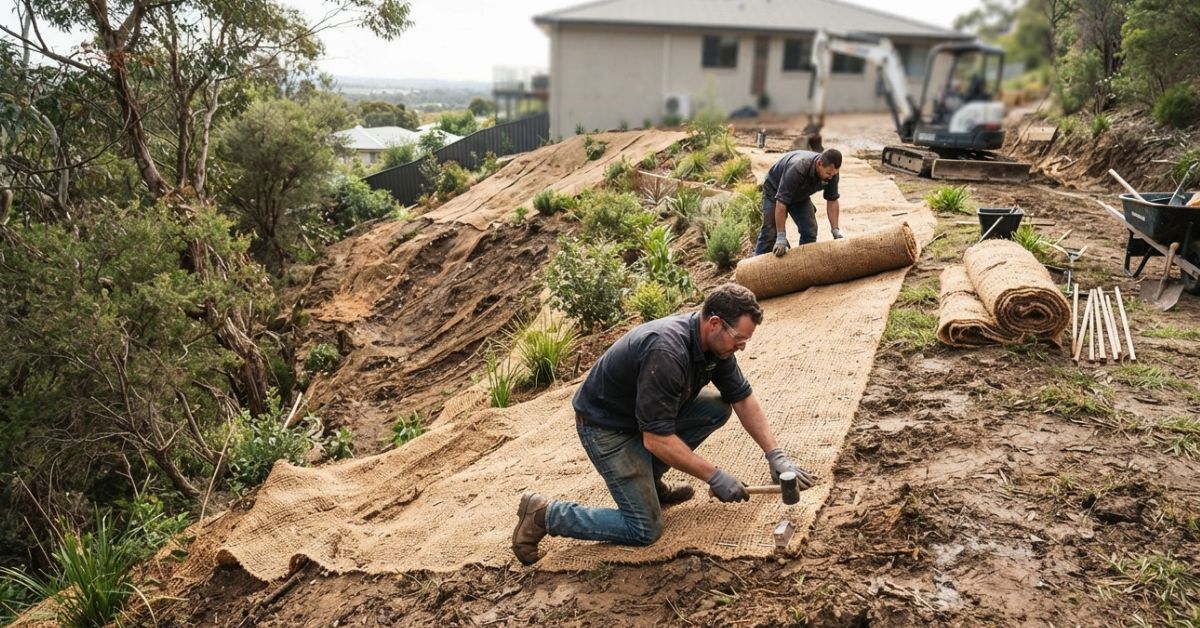
Once the evaluation is complete, attention turns to clearing the site. Trees, vegetation, debris, and unnecessary structures are removed to create a safe working environment for construction equipment. Proper land preparation for construction ensures the site is ready for the next stages without unnecessary obstacles.
Access roads and working areas are created in this phase in order to facilitate movement of heavy machinery. Proper completion of this stage will contribute positively to the entire construction site setup.
Reshaping the Ground to Match the Project
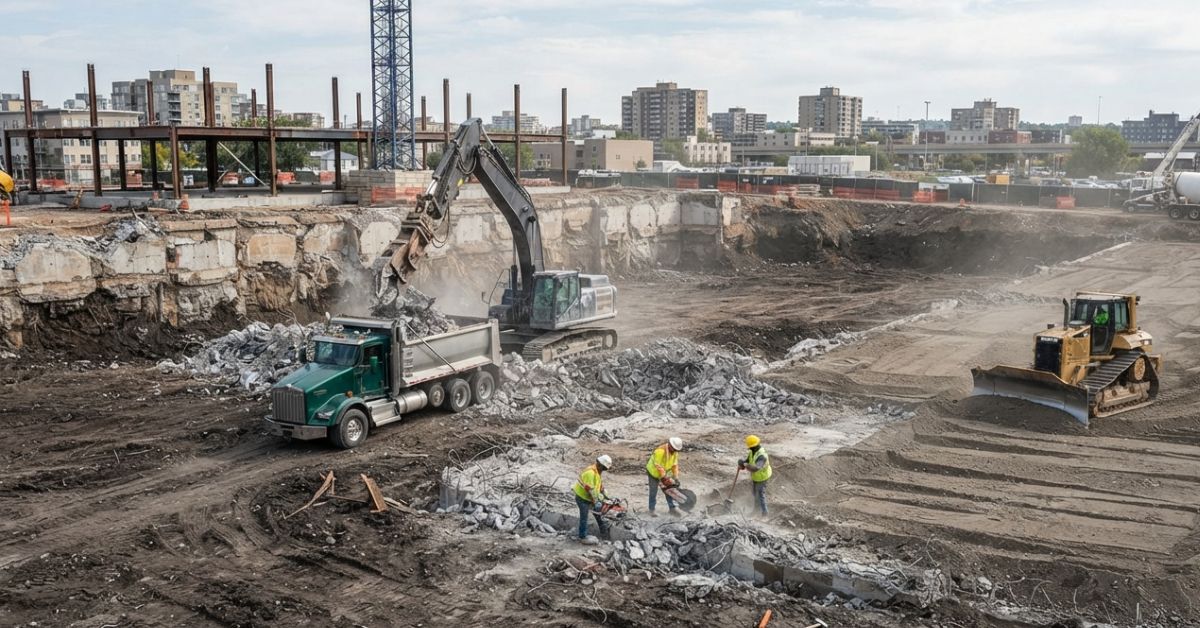
Once clearing is done, the next phase involves shaping the land based on the engineering plans prepared. This includes the excavation and grading that will be used to define the elevations of the road, foundation, drainage, and other improvements to the site.
In the site preparation process, cut and fill work is done wherever required to ensure that the site has been leveled and a level surface has been created for the purpose of construction in the future.
Managing Underground Utilities Before Construction
Existing underground utilities need to be identified before further excavation can take place. The water lines, gas lines, electricity, and communication utilities are all determined to avoid any accidental damage during construction.
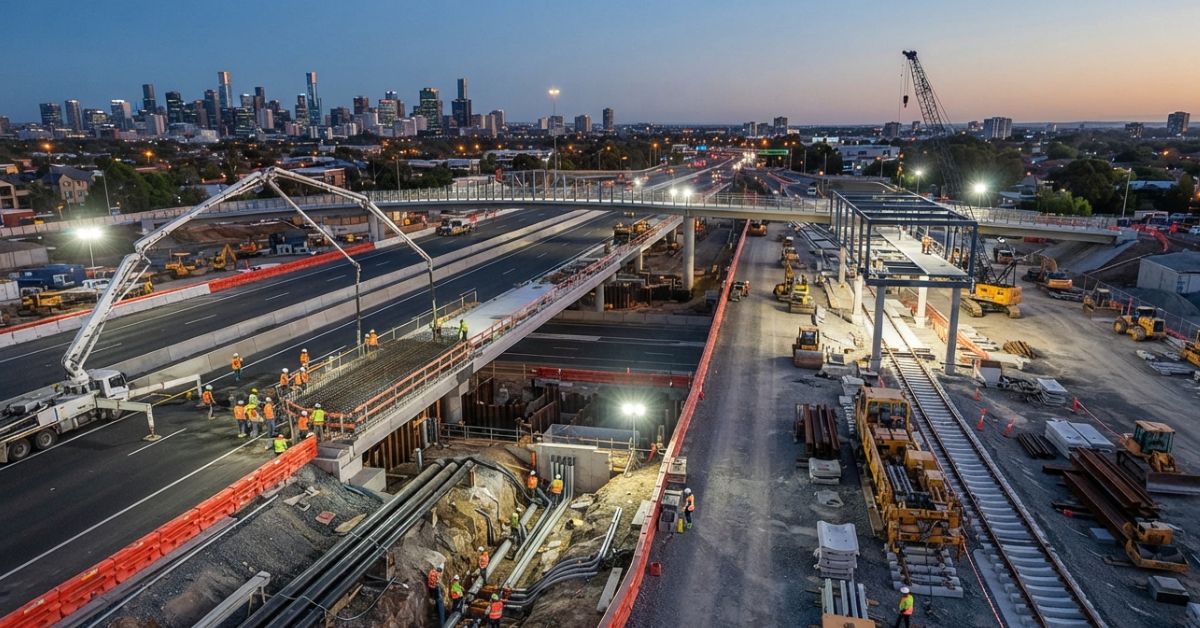
Proper utility preparation also includes planning new utility routes that will serve the completed project. Coordinating this work early helps reduce conflicts between different trades while supporting an organized civil construction site prep process.
Creating a Stable Base Through Soil Preparation
Preparing the soil is one of the most important stages of the site preparation process because it directly affects the stability and performance of the finished project. Before construction moves forward, contractors evaluate several factors to ensure the ground can safely support the planned structure.
1. Compaction Requirements
The basis of stability starts with well-compacted soil. Compacting the soil increases its load-bearing capacity, decreasing the possibility of any future settlement. This is an important step in the process of site preparation, especially when there is a need for heavy construction.
2. Moisture Conditioning
The moisture level in the soil affects how well the soil can compact. When the soil is too dry or wet, further conditioning might be necessary to begin the compaction process. Managing the right moisture level increases the efficiency of land preparation during construction projects.
3. Load-Bearing Capacity
Before construction is started, the engineers will ensure that the ground that has been prepared is able to support the structure. By testing the ground’s ability to bear weight, it is possible to confirm that the site has been prepared successfully.
Controlling Water Before It Becomes a Problem
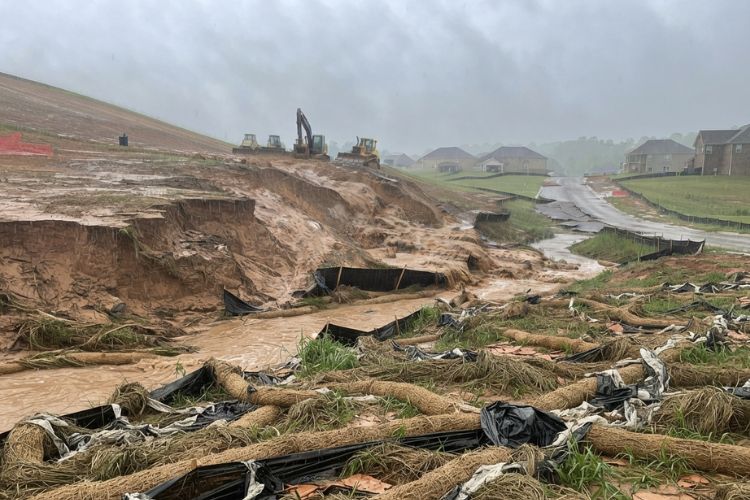
Water management is an important aspect of any construction activity. This is done through the installation of temporary water drainage systems that help to divert water flow away from construction activities to protect the soil that is exposed.
Proper drainage planning goes hand-in-hand with excavation and grading, ensuring that there is reduced erosion, standing water, and better site preparation in general. Proper handling of water from the start allows for proper utility preparation without any disruption during the installation process.
Final Grading Before Construction Begins
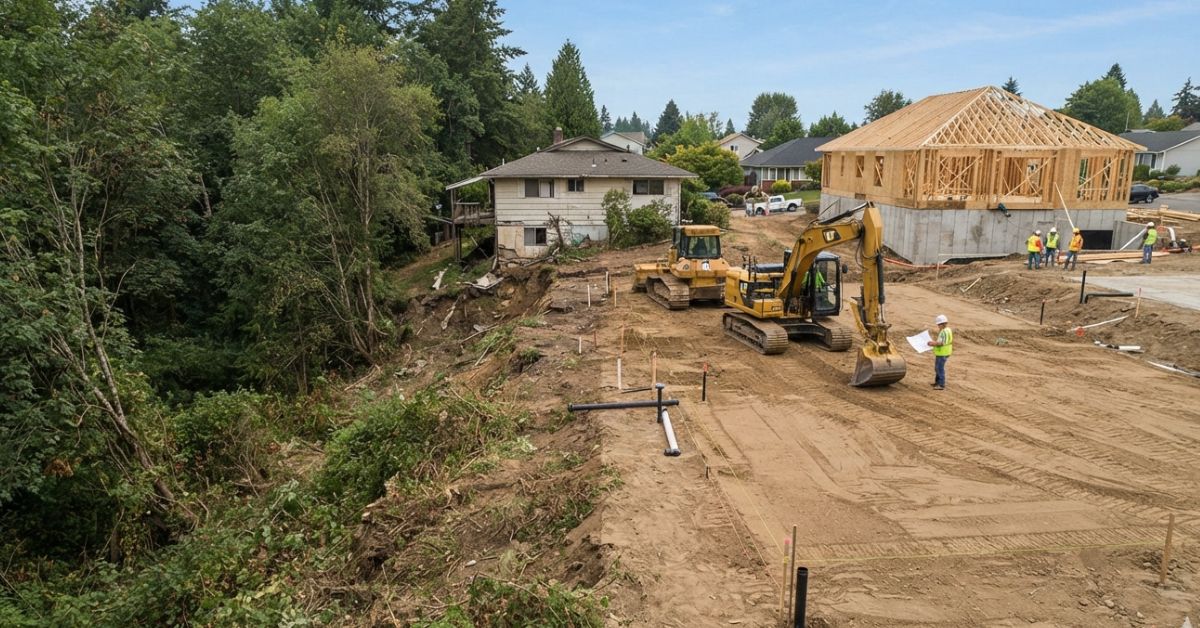
After earthwork and underground work are finished, the next phase is the final grading of the site. This process will help to adjust the elevations and prepare the property for foundation or paving. Proper grading will make sure that the construction conforms to the plans.
Another aspect of proper site preparation is the verification of slopes and drainage before further construction work takes place. Effective completion of the preparation of the land prior to the commencement of the construction ensures future minimal maintenance.
Quality Checks Before the Next Construction Phase
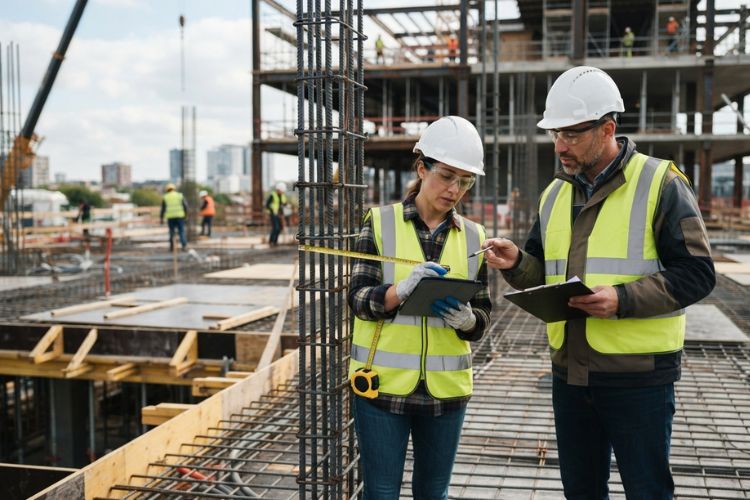
Before the vertical construction process starts, there are also final inspections done on the site to confirm whether all steps have been taken appropriately. The site is checked for elevations, soil compaction, drainage, and underground services, among others.
The advantage of using an experienced civil construction company means that inspections can be done properly and efficiently, and also at the same time, maintaining the quality standards. Proper inspection prevents rework, which is expensive.
Why Professional Site Preparation Makes a Difference?
Site preparation will involve a lot of coordination between the engineers’ plan and the operator and workers in the field. The processes are all interconnected, and accurate preparation right from the very first site inspection to the final grading process is critical.
With professional site development services, all the aspects of site preparation are managed properly, which include construction site prep, utilities site prep, and construction site setup. By doing this, efficiency is increased, but there will be no delay in the whole project schedule.
Conclusion
The process of site preparation is an important element in every civil construction project. The site inspection, grading, excavation, utilities installation, and final inspections are all steps that make the site ready for construction activities.
Careful land preparation for construction not only supports accurate building work but also helps reduce delays, improve safety, and create a stable base for long-term project success.
Successful civil construction starts with a well-prepared site. At J. E. Shurden Construction, every project is planned with precision, from earthwork and grading to complete site development, helping projects move forward safely, efficiently, and on schedule.
Frequently Asked Questions
What is included in civil construction site prep?
Some elements of civil construction site preparation include site analysis, clearing, excavation, grading, utility work, soil preparation, and inspection.
Why are excavation and grading necessary?
Excavation and grading establish proper elevations, improve drainage, and create stable ground for foundations and infrastructure.
What does utility preparation involve?
Utility preparation includes locating existing underground utilities and planning new utility installations before construction begins.
What happens after site preparation is complete?
Once site preparation is finished and inspections are complete, the project can move forward with foundation work or the next phase of construction.