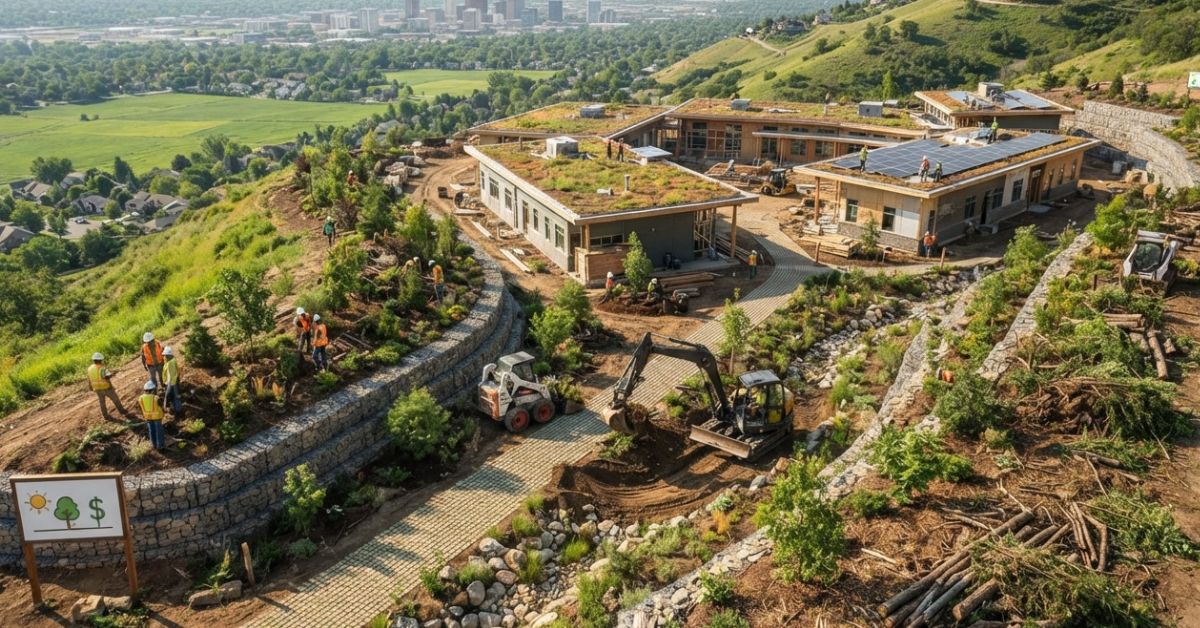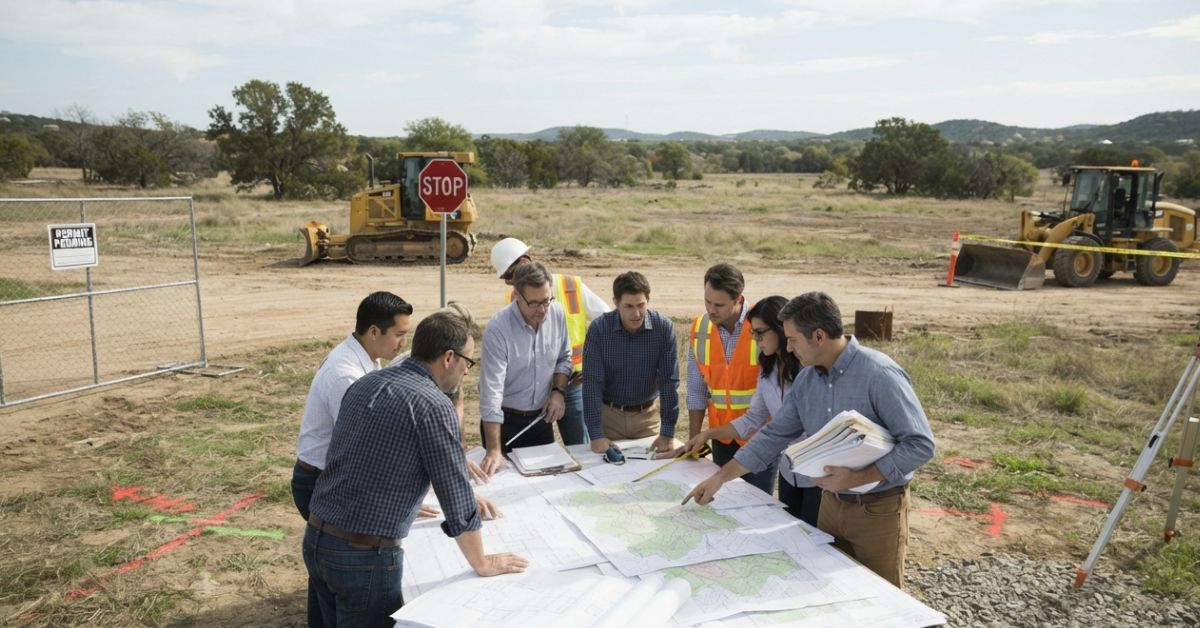
Many projects fall behind before construction even starts. While weather and labor shortages often get the blame, the real cause is usually delays during planning, approvals, and site preparation. Understanding what leads to site development delays helps developers, contractors, and property owners solve problems early and keep projects on schedule.
What Is Site Development Before Construction?
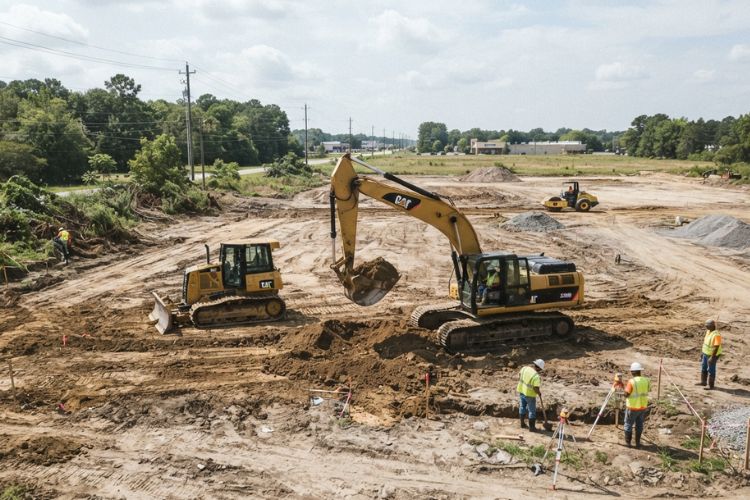
Site development refers to the process of developing a site for construction by surveying the land, conducting soil tests, and obtaining permits, among others. Proper civil construction planning at this stage ensures that there will be no unpleasant surprises later on in the construction phase.
Why Do Delays Happen Before Ground Is Broken?
Every project relies on engineers, surveyors, utility companies, and local agencies working together. If one approval or report is delayed, the entire schedule can shift. Most pre construction site issues happen because important planning tasks are incomplete or poorly coordinated.
Incomplete Site Investigations Create Unexpected Problems
A site may look ready for development while hiding conditions that create delays later. Completing detailed investigations before finalizing designs helps avoid unexpected revisions and extra costs.
Missing Geotechnical Information
A soil test determines if the soil is capable of supporting the proposed structure. If there is an identification of poor soil once the design has been completed, foundation modifications will be necessary.
Hidden Underground Utilities
Existing water lines, gas pipes, electrical cables, or communication systems may not appear on old utility records. Finding them late often forces redesigns, utility relocations, and additional approvals. These are some of the most common pre construction site issues on redevelopment projects.
Poor Boundary or Topographic Surveys
Accurate surveys establish property lines and site elevations. Errors can affect drainage plans, building placement, and earthwork calculations, resulting in grading delays while drawings are corrected and resubmitted.
Permits and Regulatory Approvals Take Longer Than Expected
Permitting is probably the most unpredictable aspect of a project. Local government approval time periods will fluctuate depending on the availability of information.
Local Government Review Timelines
Planning departments often review applications through several divisions before issuing permits. Requests for revisions or additional documents are common and frequently contribute to construction project delays.
Zoning and Land Use Requirements
When projects require a change in zoning, variance, or other such approval, the process tends to be much slower. An incomplete application can also cause a delay.
Environmental Compliance Reviews
Depending on the location, agencies may consider wetlands, flood zones, erosion controls, or protected areas prior to development approval. Considering these issues at an earlier stage helps in the effective planning of civil construction work.
Design Changes During Pre-Construction Slow Everything Down
Changing project plans after engineering work has started can affect permits, budgets, and scheduling. Although some revisions are unavoidable, repeated changes often slow the entire approval process.
- Late Architectural Revisions
Adjustments to building layouts or exterior designs require updated drawings and additional reviews, adding time before construction can begin.
- Engineering Coordination Issues
Architects and engineers must coordinate every design change. Poor communication between disciplines often leads to conflicting plans and additional revisions.
- Client-Requested Modifications
Owners may request new features or layout changes after designs are complete. While these updates can improve the finished project, they often create new pre construction site issues that delay approvals.
- Scope Changes Affecting Approvals
Modification of parking space area, changes in drainage system, or the increased building envelope might necessitate new designs as well as new permits. This will not only lead to delays in construction projects but will also bring to light inadequate site development work that could have been avoided. Proper planning prevents site development delays prior to construction works.
Utility Coordination Often Becomes a Hidden Bottleneck
Utility services usually dictate the timing of when construction can start. Issues with getting utilities connected or moving utilities can affect the whole project schedule, even though approvals have been made.
- Water Connections
The installation of new water connections may need capacity assessments and approvals from engineers prior to installation.
- Sewer Infrastructure
Sewer line extensions or connection permits can take time, especially for larger developments or properties outside existing service areas.
- Electrical Service
Power providers may need to install transformers or approve new service connections before construction equipment can operate on-site.
- Gas and Telecommunications
Gas and telecommunication services have different timeframes for their approvals. Delay in one will delay the whole project.
- Relocation of Existing Utility Lines
In some cases, existing utility lines may pose challenges to the intended site configuration. Reconfiguration of the lines involves coordination among different bodies and is a typical source of project delay.
Environmental and Site Constraints Can Delay Approval
Natural site conditions may require additional reviews before construction can move forward.
- Stormwater Management Requirements
The drainage system should comply with local regulations. In case there is a need for modification to the plans, it may cause delays in the grading process before embarking on earthworks.
- Protected Trees or Wetlands
Projects that have protected natural resources will usually need special permits or altered plans.
- Soil Contamination or Hazardous Materials
If contamination is found during testing, cleanup must be completed before work can begin. These unexpected pre construction site issues can increase both time and costs.
Budget and Financing Issues Can Pause Development
The project will not proceed until the funding is approved. In case the price of materials increases or changes in design and other infrastructure costs are involved, there is a need for adjustment of the budget. It will help avoid delays in developing the site.
Poor Communication Between Project Stakeholders
The owner, engineer, architect, contractor, and permitting agency have to be in sync right from the planning stage. Failure to do so can cause missed information or delays, leading to improper site preparation and duplication of efforts. Working with professional teams who offer civil construction services can help in this regard.
How Early Planning Helps Keep Site Development on Schedule?
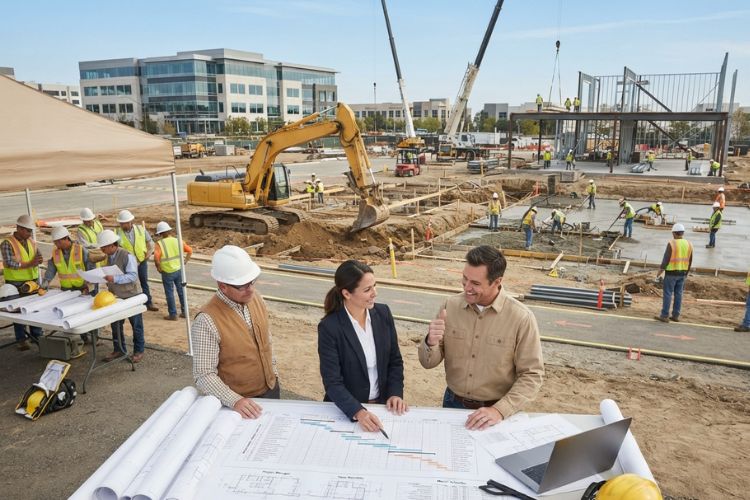
Good planning reduces risk and helps projects move through approvals more efficiently.
- Complete Site Due Diligence
Research the soils, utilities, environmental considerations, and property lines prior to finalizing designs.
- Coordinate Consultants Early
Work with engineers, surveyors, and permits specialists early to address any problems that arise before submission.
- Build Realistic Timelines
Make sure that there is sufficient time allocated to the permit review process, rather than being too optimistic about time.
- Submit Permit Packages Correctly the First Time
Ensure application packages are complete and correct to minimize the review process and increase the speed of approvals.
- Identify Risks Before Design Is Finalized
Address utility conflicts, environmental concerns, and poor site preparation early to avoid costly revisions later.
Warning Signs Your Project May Already Be Falling Behind
Small planning problems tend to become big problems if they are neglected. Here are some warning signs:
- Permit Approvals Keep Getting Delayed
Repetitive requests for revisions often mean missing information or a lack of proper planning.
- Design Changes Continue
Frequent plan updates slow engineering reviews and permit approvals.
- Utility Coordination Is Still Pending
Unauthorized utility connections may delay the beginning of the project.
- Surveys Need Revisions
Outdated survey information may affect grading and site layout.
- The Budget Keeps Changing
Ongoing cost revisions often delay contractor selection and project approval.
- Consultants Are Missing Deadlines
Late reports and studies can postpone the next phase of development.
- Teams Are Not Communicating
Poor coordination between stakeholders often creates avoidable delays. Working with experienced site development contractors in Mississippi can help identify potential issues before they impact construction.
Final Thoughts
Most problems encountered during any project occur before the construction process begins. By improving communication, completing proper planning and risk management, site development problems can be prevented, and project progress ensured.
If you’re planning a development project, partnering with an experienced contractor can make a significant difference. J. E. Shurden Construction has been providing reliable civil construction and site development solutions across Mississippi since 2013. Backed by decades of industry experience, the team is committed to quality workmanship, efficient project management, and delivering projects on schedule.
Frequently Asked Questions
How long does site development take?
Most projects take several months, while larger developments may require six months or longer.
What causes the most pre-construction delays?
The top reasons for pre-construction delays include permits, designs, utilities, and site investigation.
Can permit approvals delay a project?
Yes. Additional reviews or requested revisions can delay construction by weeks or months.
How can developers reduce delays?
Complete site investigations early, coordinate consultants, and submit accurate permit applications.
Why is utility coordination important?
It prevents scheduling clashes and allows construction to start without delays.