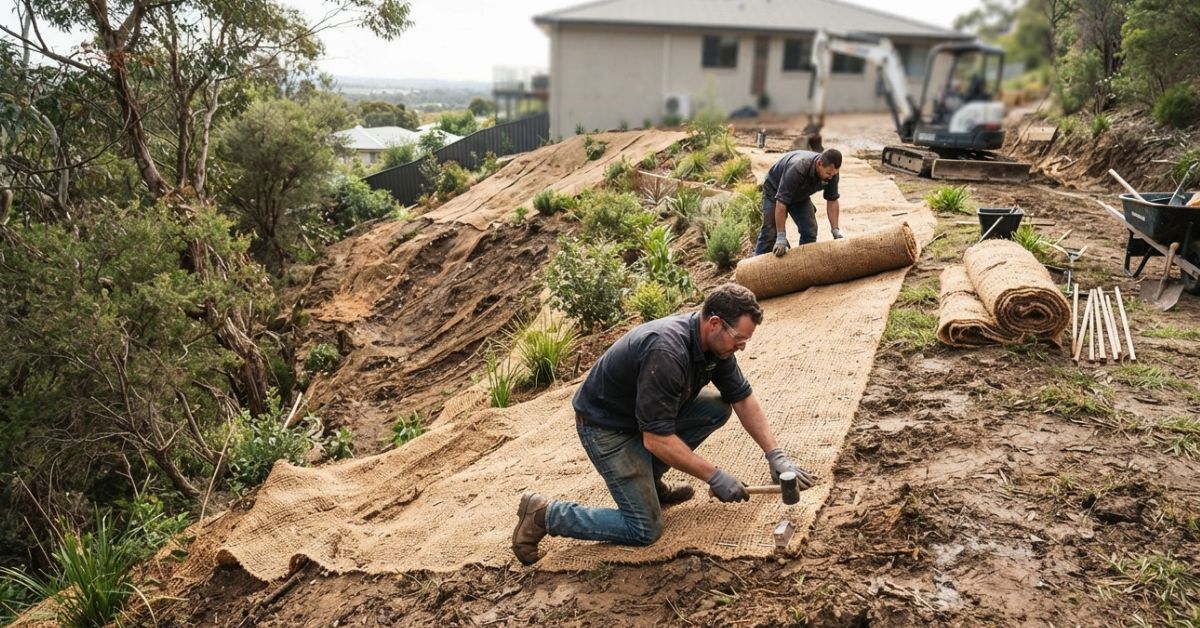
Erosion does not always look serious at first. You may notice soil washing away near a driveway, a bare patch forming on a slope, or water cutting a narrow path through the yard. These problems can grow when the same area is exposed to runoff again and again.
Planning for Erosion Control Costs early gives property owners more room to choose the right approach. The amount you spend depends on the size of the affected area, the cause of the erosion, site conditions, and the type of work required. Understanding these factors can help you build a realistic budget before requesting estimates.
Why Erosion Control Should Be Part of Your Property Budget
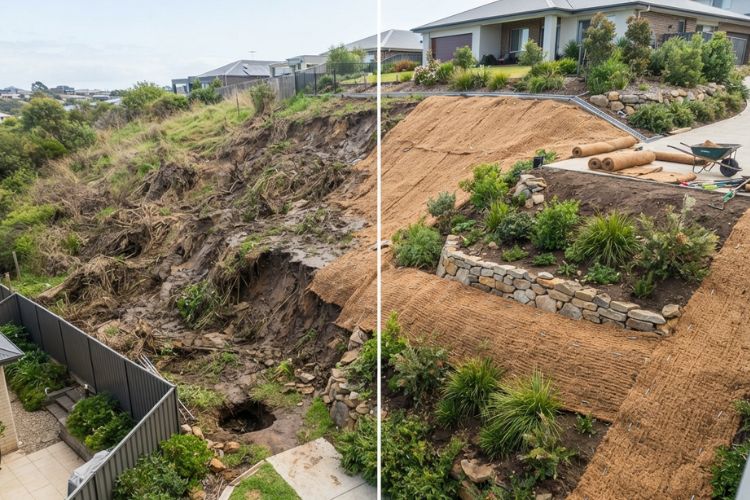
Erosion removes soil from places where it is needed and deposits it elsewhere. On residential and commercial properties, this may affect lawns, landscaped areas, slopes, drainage paths, walkways, and other parts of the site.
The longer the cause remains untreated, the more work the property may eventually need. For example, replacing washed-away soil may offer a temporary improvement, but it will not solve the problem if runoff continues flowing through the same area.
An Erosion Control Budget should therefore consider both the visible damage and what is causing it. Addressing water movement, exposed soil, or an unstable slope may reduce the need for repeated repairs.
What Do Erosion Control Costs Include?
There is no fixed price that applies to every erosion problem. Erosion Control Costs can include materials, labor, equipment, site preparation, drainage work, cleanup, and future maintenance.
A small area of surface erosion may only require seeding, mulch, or an erosion-control blanket. Larger projects may involve grading, drainage improvements, rock installation, or structural work.
Before choosing a method, it helps to identify whether the problem comes from rainfall, concentrated runoff, poor drainage, exposed soil, or the shape of the land. You can then compare suitable erosion control solutions instead of spending money on a method that does not address the source of the problem.
Common Erosion Control Methods and Their Costs
The method selected is one of the biggest influences on Erosion Control Project Costs. Some options mainly protect the soil surface, while others are designed to manage water or stabilize difficult areas.
Seeding and Vegetation
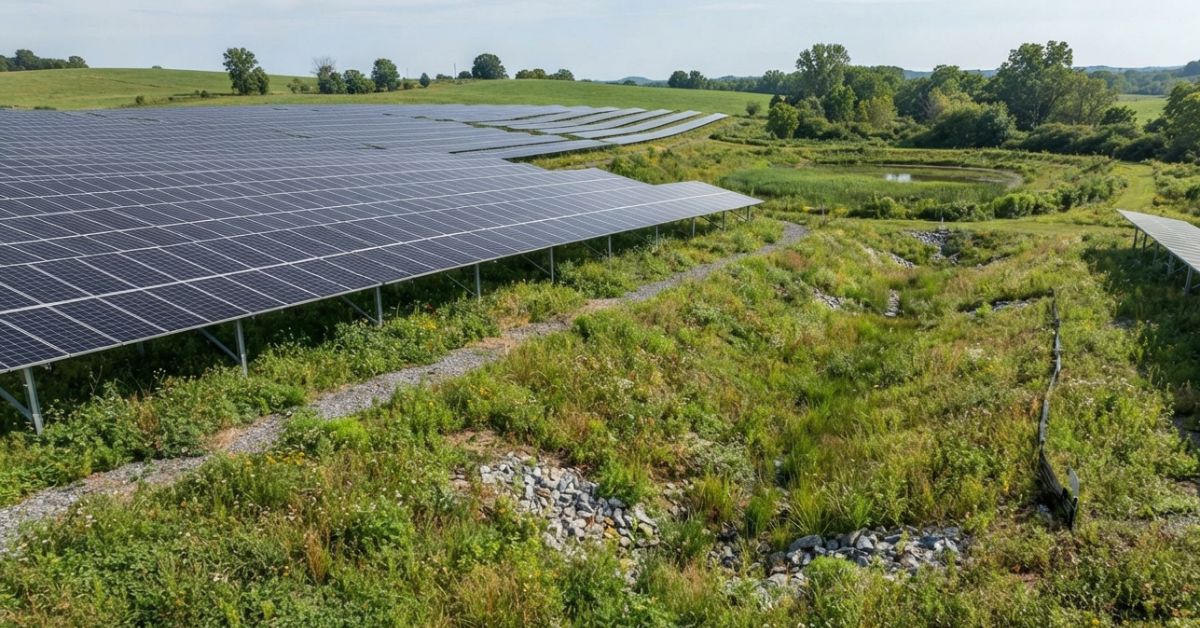
Grass, groundcover, shrubs, and other vegetation can help hold soil in place through their root systems. This approach is often considered for areas with mild surface erosion where growing conditions are suitable.
Costs may include seed or plants, soil preparation, fertilizer, labor, and watering during establishment. Areas that need extensive preparation or repeated planting can increase the overall expense.
Mulch and Erosion Control Blankets
Mulch, coir products, jute, and erosion-control blankets can protect exposed soil while vegetation becomes established. They are commonly used on disturbed ground and certain slopes.
Erosion Control Costs for these methods depend on the amount of material required, the size and steepness of the area, and installation requirements. Steeper ground can take more time to prepare and secure properly.
Grading and Soil Stabilization
Sometimes the shape of the land contributes to the problem. Water may collect in one place or travel quickly down a slope, carrying loose soil with it.
Grading can reshape the ground to improve drainage or prepare it for another stabilization method. Erosion Control Contractor Costs may be higher for this type of work because excavation equipment, additional labor, fill material, and site access may all need to be considered.
Drainage Improvements
Water management is an important part of many erosion projects. If runoff is repeatedly moving across the same section of a property, protecting the soil alone may not provide a lasting result.
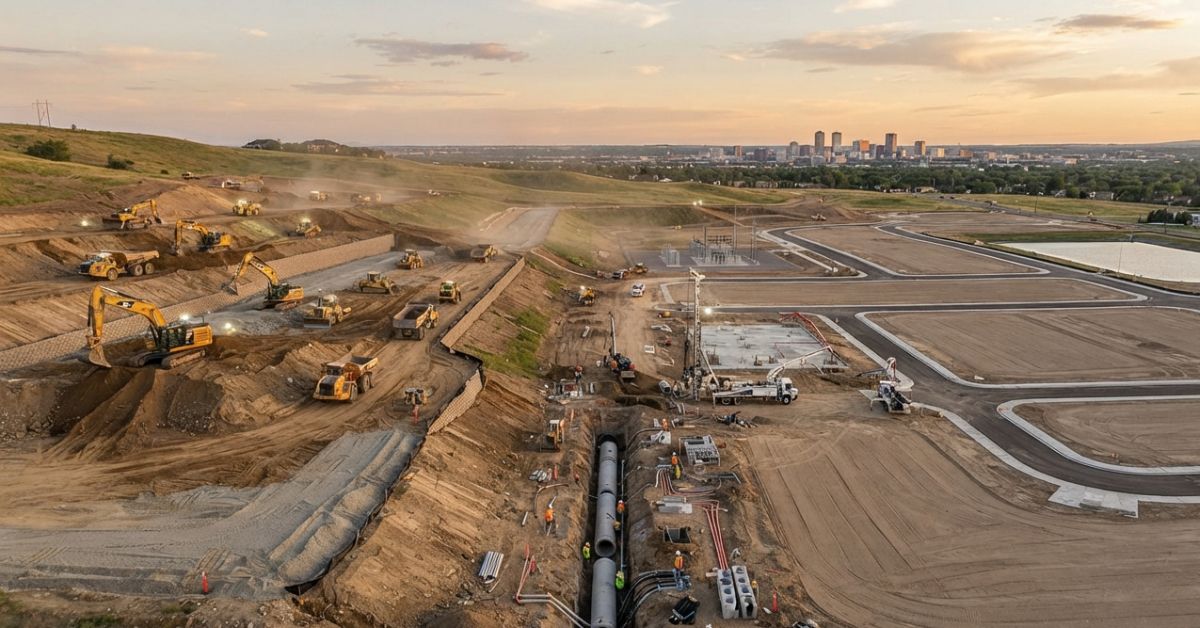
Depending on the site, work could involve swales, drains, channels, downspout adjustments, or other methods of directing water toward an appropriate outlet.
Drainage work can add to Erosion Control Project Costs, particularly when excavation or underground components are needed. However, the goal should be to correct the cause of the erosion rather than repeatedly repair the area where the damage appears.
Riprap and Rock Protection
Some areas take a constant hit from moving water, especially around drainage outlets, channels, and sloped banks. Placing riprap in these spots creates a layer of rock that helps keep the soil underneath from being washed away.
The cost can look quite different from one property to another. Rock size and quantity matter, but so do delivery, ground preparation, and the amount of labor involved. A hard-to-reach bank, for example, may take longer to complete because moving rock and equipment into place is more difficult.
When looking at Erosion Control Contractor Pricing, check what each estimate actually covers. Excavation, rock delivery, site preparation, and installation may be bundled into one quote or charged as separate parts of the job.
Retaining Walls and Structural Work
More severe slope problems may require structural measures such as retaining walls. These projects involve more than simply placing blocks or stone along an eroded area.
The site may require excavation, a prepared base, backfill, drainage behind the wall, and suitable materials. Larger or more complex walls may also require engineering or permits depending on local requirements.
Because of these additional steps, structural projects can have considerably different Erosion Control Costs than basic surface treatments. The condition of the slope and accessibility of the property can further affect the final price.
What Affects Erosion Control Contractor Pricing?
Two properties with similar-looking erosion can require different amounts of work. Contractors generally need to inspect the site before determining what approach is appropriate.
Several practical factors can influence Erosion Control Contractor Pricing, including the total area, severity of soil loss, slope, soil type, drainage conditions, materials, and equipment access.
Labor requirements matter as well. A flat, accessible yard may be easier to work on than a steep area behind a building where machinery has limited access. Understanding these differences makes it easier to compare estimates fairly rather than focusing only on the final number.
Costs That Are Easy to Overlook
Materials and installation are not the only expenses that may appear in an Erosion Control Budget. Site preparation can become a noticeable part of the project, particularly if damaged soil, debris, vegetation, or existing landscape features must be removed first.
Some properties may also need a site assessment, drainage evaluation, permits, engineering, or landscape restoration after the main work is complete.
Maintenance should be considered too. Vegetation may need watering and reseeding, drainage paths may require clearing, and erosion blankets or other materials should be inspected for damage. These smaller expenses can matter when estimating the long-term cost of a project.
DIY or Professional Erosion Control?
Simple surface problems can sometimes be handled by property owners. Seeding a small bare area, applying mulch, or planting suitable groundcover may not require extensive equipment.
Professional help becomes more relevant when erosion keeps returning, water is creating channels through the property, or a steep slope is losing soil. Structural work and significant drainage changes also require more careful planning.
If you are searching for an erosion control contractor near me, look beyond the lowest estimate. Ask what the contractor believes is causing the erosion, what work is included, what materials will be used, and whether maintenance will be required afterward. A clear scope makes different estimates much easier to compare.
How to Plan for Erosion Control Costs?
Before setting a budget, take a good look at where the soil is actually washing away. Pay attention to what happens when it rains. Water collecting in one spot, running quickly down a slope, or leaving bare patches behind can give you a better idea of what needs to be fixed.
Once you know where the problem is, check how much of the property is affected. A small patch may only need basic surface protection, while ongoing runoff or slope erosion could call for drainage or more involved stabilization work. Getting quotes based on the same scope also makes it easier to compare costs.
You do not necessarily have to tackle everything in one step. Sometimes the first priority is stopping further soil loss, with drainage improvements or landscaping planned as the next stage.
Can Early Erosion Control Reduce Future Expenses?
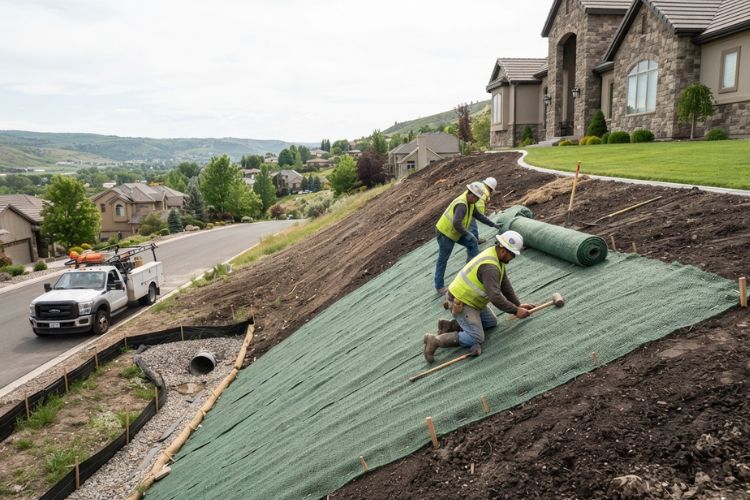
Catching erosion early can keep a small repair from turning into a much bigger job. A thin patch of exposed soil or a new runoff path may not seem urgent, but repeated rain can gradually wash away more ground. Keeping vegetation healthy, clearing drainage paths, and dealing with runoff when it first appears can help limit further damage.
It also helps to check problem areas after heavy rain. Erosion cannot always be prevented, especially on steep slopes or properties with challenging soil conditions. Still, spotting changes early gives you a chance to deal with them before the affected area becomes harder and more expensive to repair.
Final Thoughts
Erosion Control Costs depend on what is happening on the property rather than a single standard rate. A small patch of exposed soil and a severely eroded slope require very different materials, labor, and planning.
Before setting a budget, identify the cause of the erosion and determine what work is actually necessary. Compare the scope included in contractor estimates, account for preparation and maintenance, and consider whether drainage work is part of the solution. A well-planned approach gives you a much clearer picture of the real cost of protecting the property.
FAQs
What is usually included in erosion control costs?
Costs may include materials, labor, equipment, grading, drainage work, site preparation, cleanup, and maintenance. The exact items depend on the condition of the property and the method used.
What is the cheapest way to control minor erosion?
For suitable areas, vegetation, mulch, or basic surface protection may cost less than structural methods. The right option still depends on what is causing the soil to move.
Why do erosion control contractor costs vary?
Erosion Control Contractor Costs vary because properties differ in size, slope, soil conditions, accessibility, drainage problems, and the amount of preparation required.
Should drainage problems be fixed before erosion damage?
When uncontrolled runoff is the main cause, drainage usually needs to be considered as part of the overall plan. Otherwise, repaired soil may be exposed to the same water flow again.
How often should erosion-control areas be checked?
Inspect vulnerable areas periodically and after significant rainfall. Look for new chan.