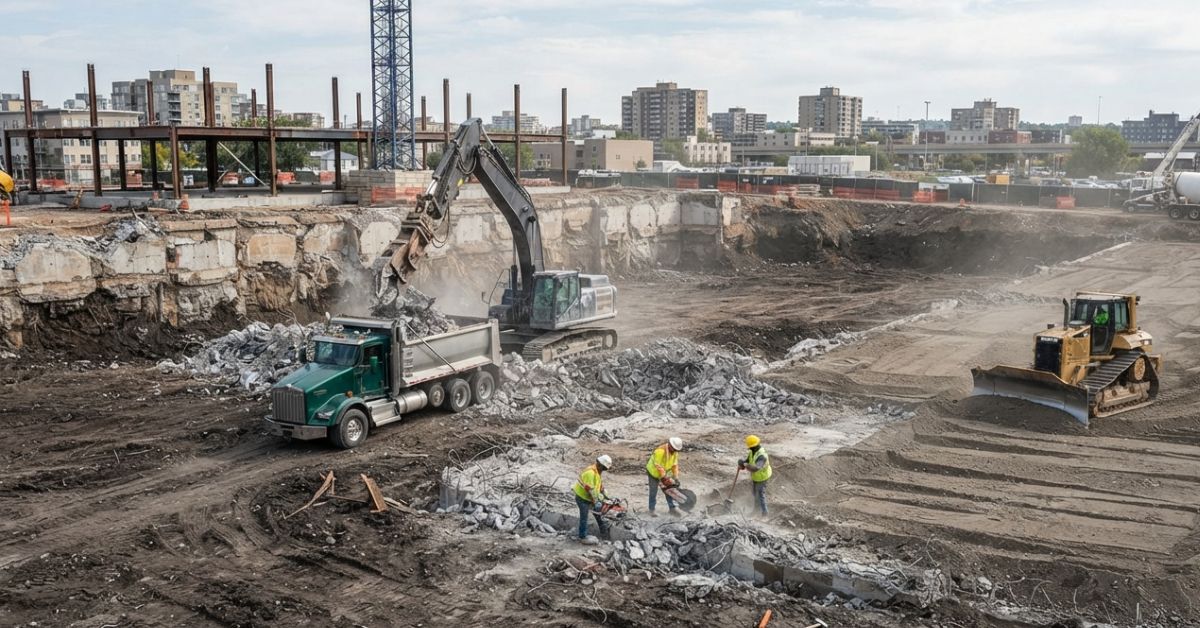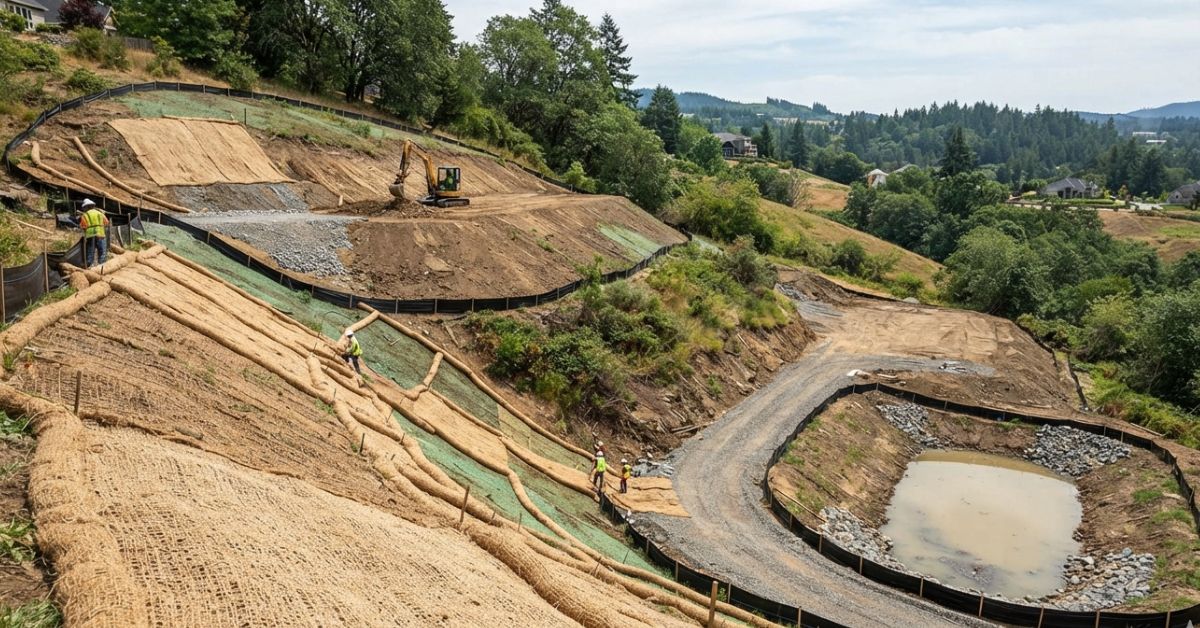
Building on a sloped property can be very different from working on level ground. Once trees and vegetation are cleared, rain can quickly find its way across loose soil and carry it downhill. Grading and equipment movement can make some areas even more vulnerable, especially during periods of heavy rainfall.
That is why construction erosion control should be considered from the beginning of the project. Before work starts, contractors can look at how water naturally moves across the property, where soil is most exposed, and which areas may need extra protection. Planning these details early can help reduce construction site erosion, protect nearby areas, and make the site easier to manage as construction progresses.
Why Sloped Properties Face Greater Erosion Risks?
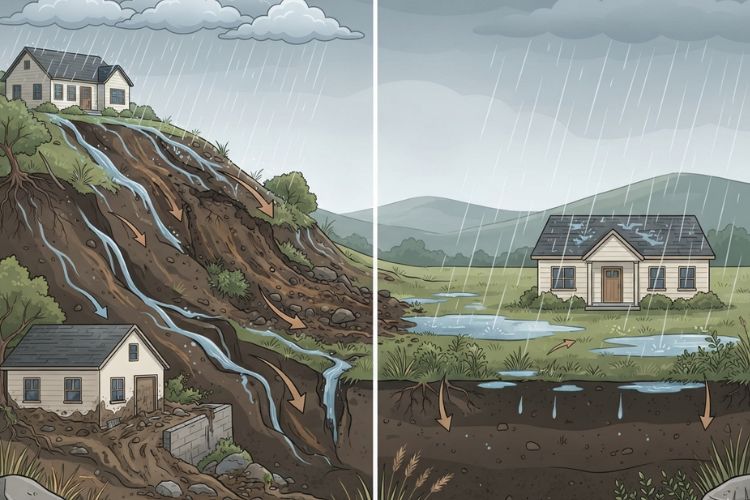
Gravity naturally pulls water downhill, and steep or extended slopes give runoff more opportunity to gain speed. When vegetation is removed, there are fewer roots holding surface soil together. Construction activities can make the situation more difficult by disturbing the ground and changing the way water naturally moves across the property.
The result can be more than soil erosion. Erosion at construction sites can create small channels on exposed ground, carry sediment to lower areas, and block existing drainage. Uncontrolled runoff can also cause problems off the immediate work zone on properties adjacent to roads, buildings or waterways. Early planning for these conditions can make soil erosion control easier to manage during construction.
Understanding the Site Before Work Begins
Every hillside is different, so contractors need to look at the property before deciding which erosion control solutions will work best. The slope, soil type, existing vegetation, drainage patterns, expected rainfall, and nearby roads or structures can all affect how the site should be handled.
Looking at these conditions early can help identify the parts of the property that may need more attention. A steep area where water tends to gather may need a different solution than a gentler section with healthy vegetation. It also gives contractors a better idea of how to handle grading and drainage while supporting erosion prevention and avoiding new routes for runoff.
Managing Runoff on Hillsides
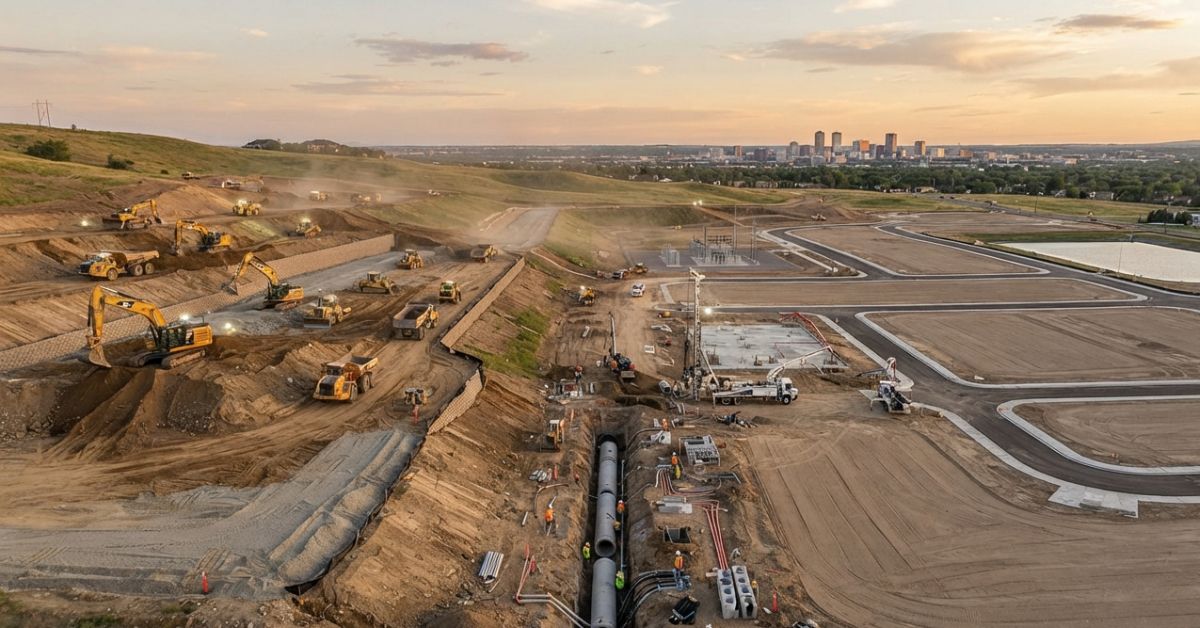
Water management is one of the most important parts of construction erosion control. When runoff travels directly over exposed soil, it can gradually form channels and carry loose material downhill. The faster and more concentrated the flow becomes, the greater the potential for surface erosion.
To regulate the flow of water across the property, contractors may employ check dams, temporary slope drains, diversion channels, or swales, depending on the location. Instead of allowing runoff to flow freely across disturbed soil, these features aid in directing it toward appropriate places. Runoff can also be easier to manage if clean water is directed away from exposed areas whenever possible.
Protecting Exposed Soil During Construction
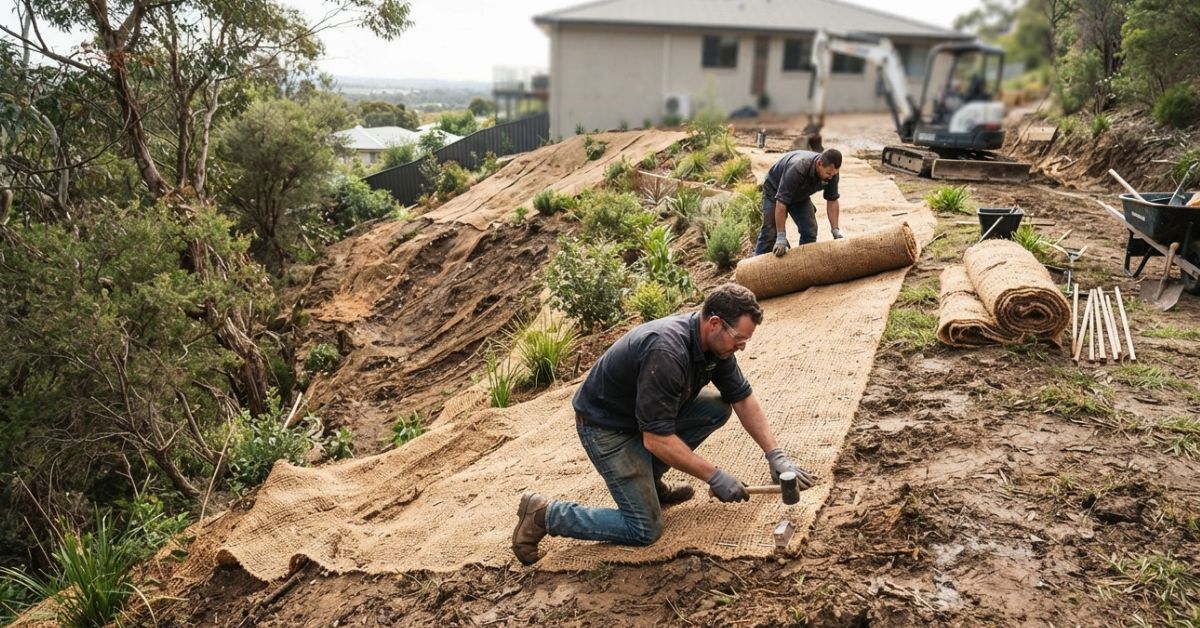
Once the ground is cleared or graded, bare soil can be easily disturbed by rain. Covering these areas can help reduce the force of rainfall and keep loose particles from washing downhill before the site is ready for permanent stabilization.
Depending on the property, contractors may use mulch, erosion-control blankets, geotextiles, or similar materials. The right choice depends on how steep the area is, what type of soil is present, how much water it receives, and how long the ground will remain exposed. A method that works well on a gentle slope may not hold up as well where runoff is stronger.
Using Vegetation for Long-Term Protection
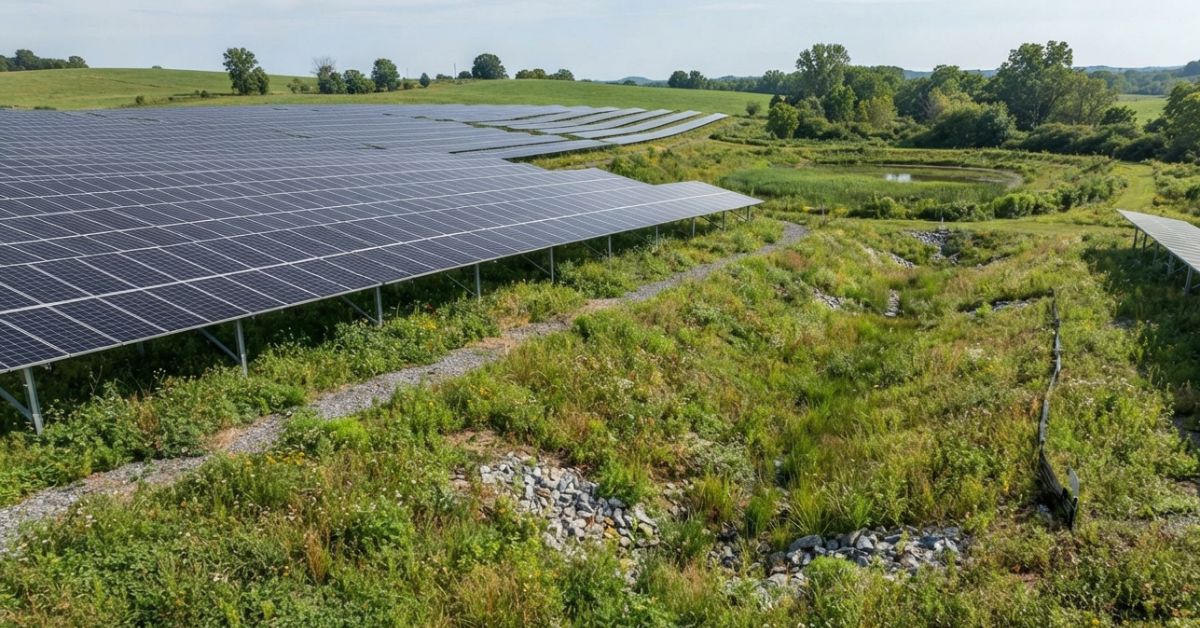
Vegetation can offer a layer of long-term protection for soil once construction starts to move toward stabilizing the area. Grass, native plants, and other types of vegetation that work well can help keep the surface soil in place with their roots. These plants also reduce the impact of rain directly on the soil.
Seeding, mulching, and sod can be used in different situations, but newly planted vegetation needs time to become established. Until sufficient coverage develops, additional surface protection may still be necessary. On steeper properties, vegetation can work alongside other erosion control systems to protect the ground during this transition.
Stabilizing Steeper and Difficult Slopes
Some hillsides need a little more than basic soil coverings or vegetation to stay in place. Depending on the ground and the slope, contractors may use options such as geotextiles, turf reinforcement mats, geocells, or terracing. These methods can provide extra support where ordinary surface protection may not be enough.
It is also worth looking at whether the problem is surface erosion or something deeper. Rain can wash soil away from an otherwise stable slope, but certain ground conditions can cause movement within the slope itself. Since these situations are not the same, the right approach should be based on what is actually happening on the property rather than how steep the hillside looks.
Managing Sediment Around the Property
Keeping soil from leaving the work area is an important part of managing a construction site. This matters even more when the property sits above a road, storm drain, stream, or neighboring property where loose sediment could create additional problems.
Sediment traps, silt barriers, fiber rolls, filter socks, and sediment basins can all be used to capture loose material before it leaves the site. Surface coverings serve a different purpose than these measures. Sediment controls assist in containing soil that has already been displaced by runoff, while coverings shield exposed soil from precipitation.
Protecting Slopes Through Construction Stages
As the work progresses from one stage to the next, erosion risks may change. The amount of exposed ground can be reduced by preserving existing vegetation before clearance begins. As the property’s natural shape changes during grading, the emphasis switches to managing water.
After grading, newly formed slopes may need protection while permanent vegetation takes root. Completing and stabilizing one section before moving on to another can keep less ground exposed at once. It also gives the crew a chance to spot vulnerable areas early and deal with them before they become bigger issues.
When Structural Measures May Be Needed?
Some properties need more than basic erosion protection because of the slope, soil conditions, drainage, or nearby development. In these cases, contractors may consider retaining walls, reinforced slopes, gabions, or terracing to give the land more support and better control water movement.
These alternatives are not just for covering exposed dirt. While some help control elevation fluctuations or locations where water becomes concentrated, others offer more stability. Not only does the slope appear steep, but it also depends on what is happening on the site.
Building an Effective Erosion Control Plan
No two properties are exactly alike, so the same approach will not work for every hillside. Before choosing the right measures, contractors need to consider the slope, soil, drainage, expected rainfall, and how long different areas will remain exposed. Nearby roads, buildings, and other infrastructure can also influence the plan.
A project may need several measures working together rather than relying on one method. Drainage features can direct water, surface coverings can shield exposed ground, sediment controls can contain displaced soil, and vegetation can provide longer-term coverage. Using each measure where it fits the site can make the overall plan easier to manage.
Inspection and Maintenance Matter
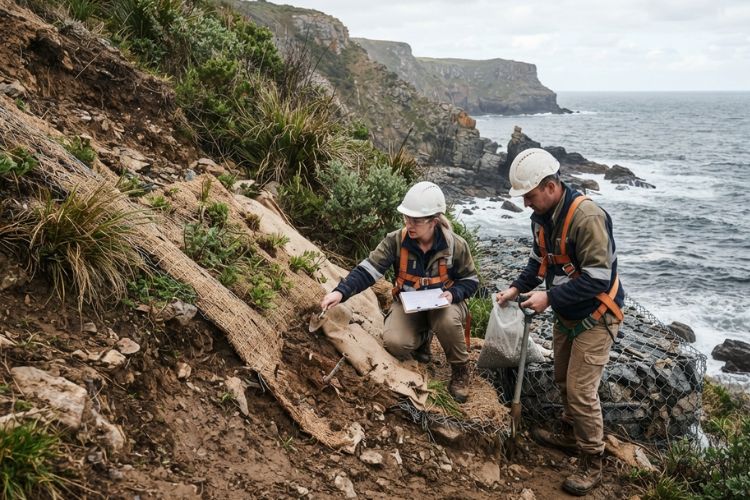
Putting erosion controls in place is only part of the work. Rainfall, equipment, and ongoing construction can affect them over time, particularly on exposed slopes. Regular checks can help identify problems before they become harder to deal with.
After heavy rain, contractors can look for new runoff paths, exposed soil, or controls that have moved or stopped working properly. Making repairs when necessary helps keep the site protected until permanent stabilization is finished. For property owners working on challenging terrain, Shurden Construction erosion experts can be considered for grading, site preparation, and related construction work where careful planning is important.
Summary
Effective construction erosion control requires more than placing protective materials around a job site. Sloped and hilly properties need an approach that considers how water moves, where soil is exposed, and how the site changes throughout construction.
Runoff management, surface protection, sediment control, vegetation, and slope stabilization can each serve a different purpose. When these measures are selected according to actual site conditions, they can provide more consistent protection from the beginning of earthwork through final stabilization.
FAQs
What is the best erosion control for a sloped construction site?
There is no single solution for every property. The right approach depends on the slope, soil, drainage, rainfall, vegetation, and type of construction taking place.
How can erosion be reduced during construction?
Keeping erosion under control starts with managing water and limiting how much soil is disturbed. Contractors can protect exposed areas, use measures to contain loose sediment, and stabilize sections of the site as soon as they are ready. This helps reduce the amount of soil that can be carried away during rainfall.
Are erosion-control blankets useful on steep slopes?
Yes, they can be useful when bare soil needs protection while vegetation is taking root. They help shield the surface from rainfall and runoff, but the blanket should be chosen and installed according to the slope, soil, and expected water flow.
When are structural slope measures needed?
Some slopes need more than surface protection, particularly when steep terrain or ground conditions create stability concerns. Options such as retaining walls or reinforced slopes may be considered in these situations. The appropriate solution depends on the property’s conditions and the type of support required.