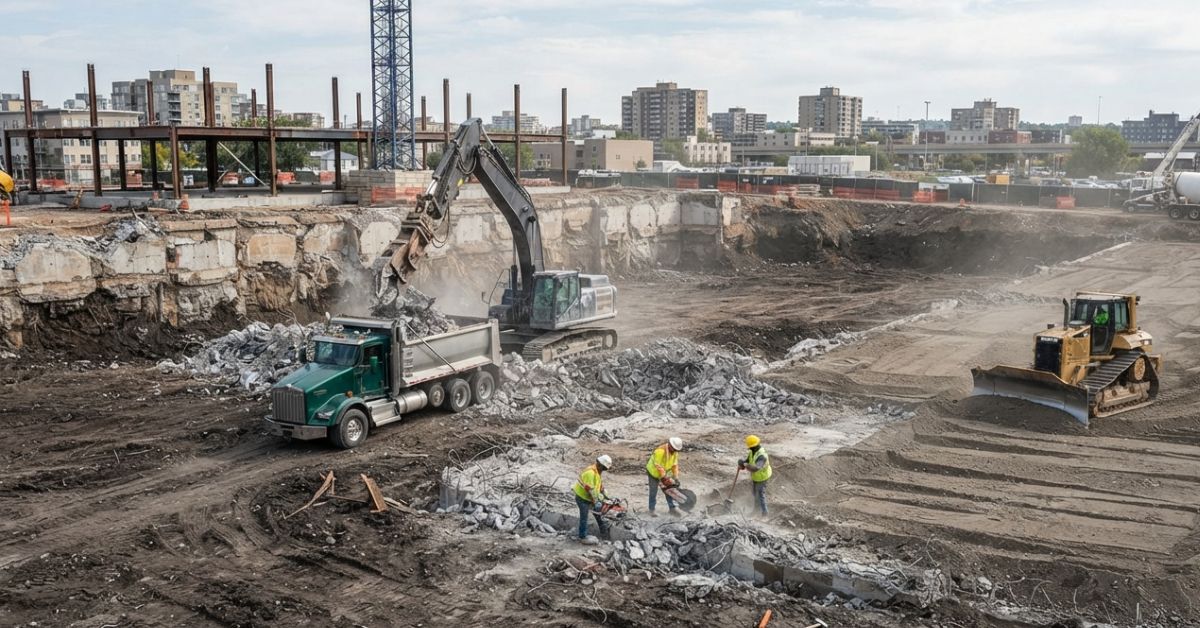
A new building sometimes starts with taking an old one down. On redevelopment sites, the existing structure may occupy the exact footprint planned for the new building. Old foundations, concrete slabs, utility connections, and leftover materials can also stand in the way of excavation.
That is where Structural Demolition fits into site preparation. The work is not finished when the building reaches the ground. The structure must be removed in a planned way, debris needs to be cleared, and unwanted structural elements must be addressed before the next construction crews arrive.
What Happens During Structural Demolition?
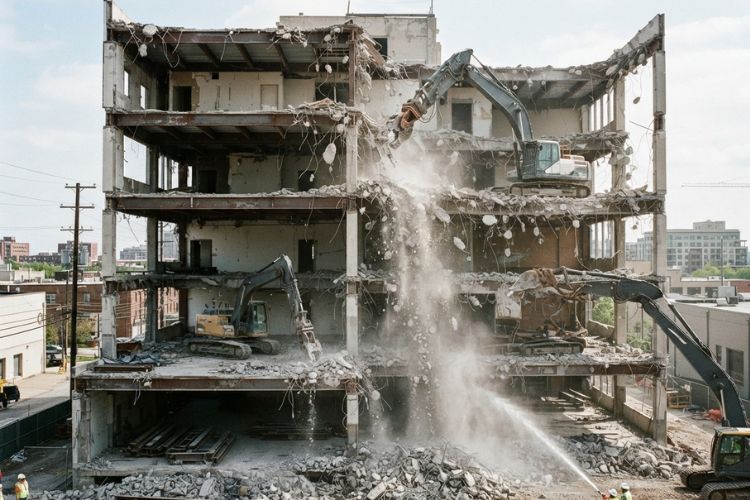
The condition of the existing building and the plans for the new development both influence how demolition is carried out. A Structural Demolition Contractor needs to understand what is being removed, what will remain, and how the site will be used afterward.
Site and Structure Assessment
Work usually begins with a review of the building and surrounding site. The contractor may look at the construction type, building height, access points, nearby structures, existing utilities, and the amount of space available for equipment.
The future site plan matters as well. If a wall, pavement area, utility, or neighboring structure needs to remain, it should be identified before demolition starts. This helps establish clear boundaries for the work.
Utility Disconnection and Site Safety
Existing buildings can have active electrical, gas, water, sewer, and communication connections. These services need to be identified and handled appropriately before structural components are removed.
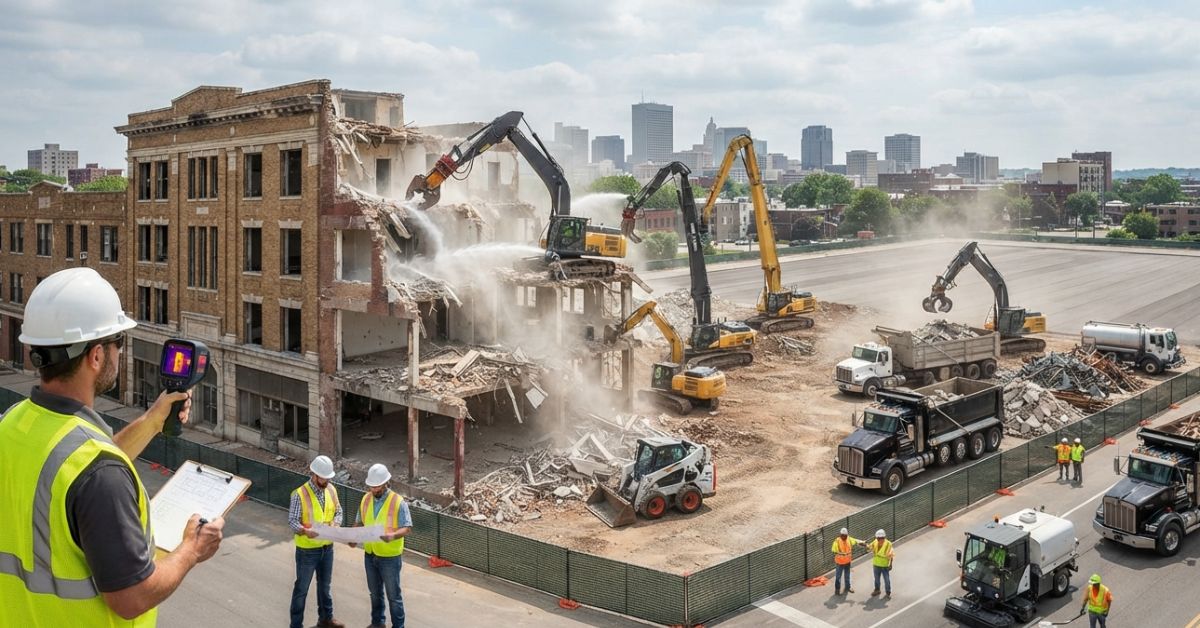
Site-specific demolition precautions may also include controlled access, dust management, equipment positioning, and protection for nearby structures. The exact requirements depend on the building and conditions around it.
Controlled Removal of the Structure
Once the required preparation is complete, the building can be taken down according to the planned sequence. Walls, roofing, floors, framing, and other structural components are removed using equipment appropriate for the project.
Experienced Demolition Contractors also consider how materials will be handled as the structure comes down. Keeping debris organized during removal can make the later clearing stage more manageable.
Turning an Existing Property Into a Buildable Site
Taking down the visible building creates space, but several other steps may be necessary before the property is ready for new work. This part of Structural Demolition connects the removal phase with future site development.
Clearing the New Building Footprint
A new building may have a completely different footprint from the structure it replaces. Clearing the old building gives surveyors and construction crews access to the area where the new project will be laid out.
For Construction Site Demolition, the future layout should be considered from the beginning. Contractors can then remove obstacles from areas needed for excavation, equipment movement, and other upcoming work.
Removing Old Foundations and Slabs
Some of the most significant obstacles remain below or at ground level after a building has been taken down. Concrete slabs, foundation walls, piers, and footings may conflict with the foundation design of the new structure.
Removing these materials where required exposes the ground for later work. Qualified structural demolition experts can carry out the removal according to the project scope while avoiding existing features designated to remain.
Not every project requires every piece of concrete to be removed. The demolition scope and new construction plans determine what needs to go.
Clearing Demolition Debris
Concrete, steel, masonry, timber, roofing, and other materials cannot simply remain across the future work area. They need to be sorted, transported, recycled where appropriate, or disposed of according to applicable requirements.
A clear site gives the next trades room to work. It also prevents construction crews from spending time moving materials that should have been addressed during demolition.
Opening Access for Heavy Equipment
Excavators, loaders, trucks, drilling equipment, and material deliveries need enough space to enter and move around a construction site.
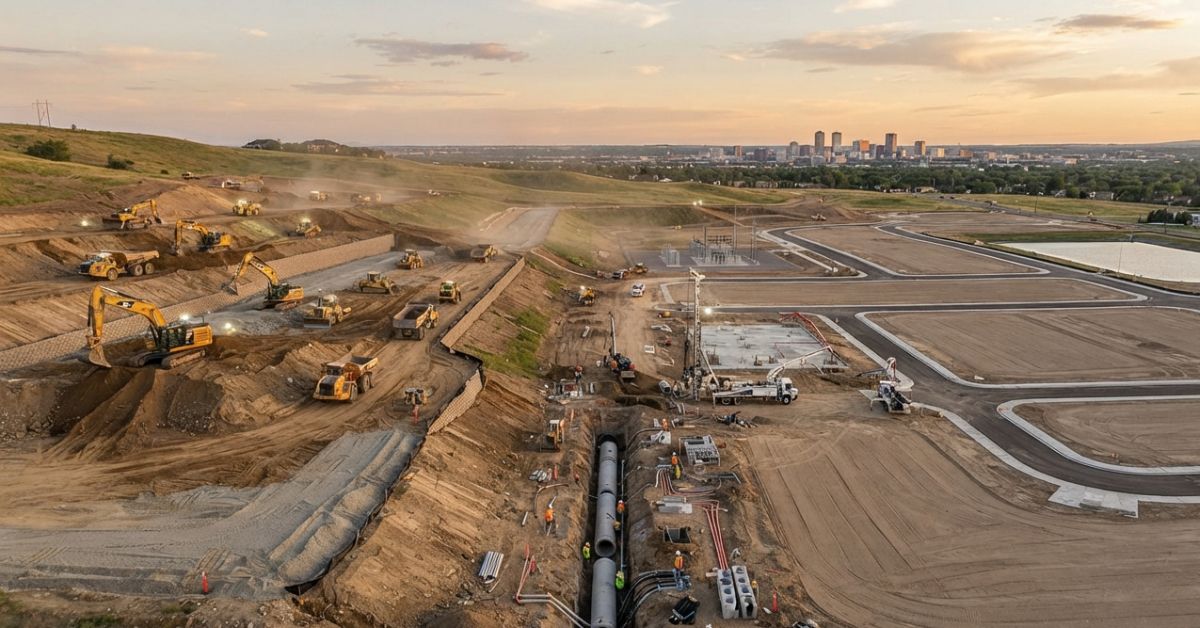
Removing the existing building and clearing debris can create access routes and working areas for this machinery. On restricted sites, this is particularly important because a small amount of leftover material can affect where equipment can operate.
Preparing the Ground for Grading
Once the old structure and foundation are removed, the ground may not be level or ready for the next stage. There can be low spots, loose soil, or gaps where concrete and footings once sat. These areas may need to be filled, compacted, or graded before construction moves forward.
The role of a Structural Demolition Company is usually based on the agreed scope of work. Some projects include basic site clearing after demolition, while detailed grading, soil testing, or engineered fill may be handled separately as part of the new construction work.
Making Way for Excavation and New Foundations
Excavation crews need to work according to the dimensions and elevations shown on the new plans. Old footings, buried concrete, or structural remnants within that area can interrupt their work.
Proper Structural Demolition reduces these physical obstructions before excavation starts. Once the required footprint has been cleared, crews can move forward with excavation and foundation preparation for the new structure.
Connecting Demolition With the New Construction Plan
Demolition and construction should not be treated as unrelated jobs. What is removed during demolition affects what the next contractor finds when work begins.
Removing Only What the New Project Requires
A demolition plan should reflect the future use of the site. Complete removal may be appropriate for one project, while another may retain pavement, utilities, structural sections, or other existing features.
A Structural Demolition Contractor can use the project scope and available plans to identify which elements need removal. This reduces unnecessary work and helps protect features intended to remain.
Keeping Necessary Site Features Intact
Some redevelopment projects take place close to occupied buildings, property boundaries, sidewalks, roads, or existing infrastructure. Those conditions require more controlled work than clearing an isolated structure on an open site.
Planning around these features allows demolition to create the required construction space without treating everything around the building as disposable.
Preventing Delays During the Next Phase
Incomplete demolition can become a construction problem later. A buried footing discovered during excavation, for example, may require work to stop while additional equipment or removal services are arranged.
Clear communication between Demolition Contractors and the construction team can reduce these situations. The demolition scope should specify whether foundations, slabs, underground structures, debris, and other known obstacles are included.
What Comes After Demolition?
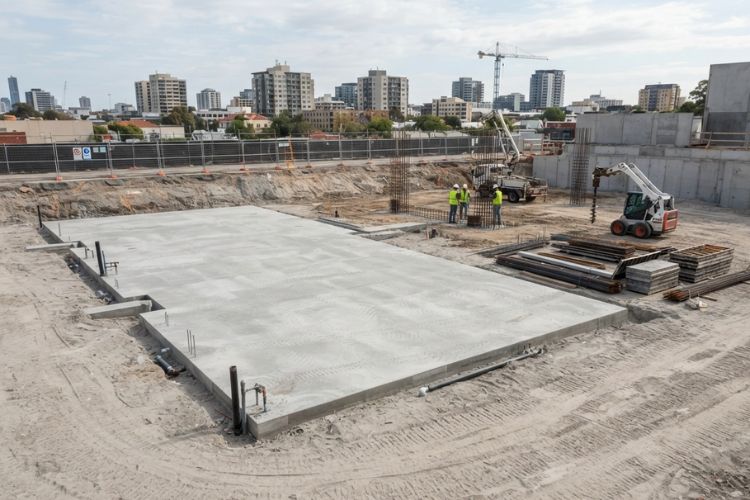
Once the required building components have been removed, the site begins moving from demolition into development.
Final Site Clearing
The work area should be checked for remaining debris and structural materials included in the demolition scope. Access routes also need to remain usable for the crews and equipment arriving next.
Grading and Soil Preparation
The ground may then require grading, filling, compaction, or additional evaluation. Requirements vary according to soil conditions, the previous structure, and the engineering plans for the new project.
Excavation, Utilities, and Foundation Work
With the required demolition completed, excavation can begin according to the new layout. Utility installation or relocation may occur as site development progresses, followed by foundation preparation and construction.
This transition is the main purpose of well-planned Construction Site Demolition: removing the physical elements of the previous development so the next one has a workable place to begin.
Conclusion
Structural Demolition provides the physical transition from an existing building to a new construction site. Its role extends beyond taking down walls and roofing. Foundations may need removal, debris has to leave the work area, equipment needs access, and the building footprint must be cleared according to the new plans.
When demolition is coordinated with what comes next, construction crews receive a site with fewer old structural obstacles in their way. That creates a clearer path into grading, excavation, utility work, and the foundations of the new development.
FAQs
Why is structural demolition necessary before new construction?
It removes existing buildings and structural obstacles that conflict with the proposed development. Depending on the scope, this can include foundations, slabs, and other materials within the new construction area.
Does structural demolition include foundation removal?
It can, but foundation removal depends on the agreed project scope. The new building plans help determine which existing foundations and concrete elements need to be removed.
How does demolition prepare the ground for construction?
Demolition gets the old structure out of the way and clears leftover concrete, foundations, and debris from the work area. Once the site is cleared, crews have the space they need to grade the land, prepare the soil, start excavation, and move ahead with the new foundation.
What happens to demolition debris?
Once demolition is finished, the debris is cleared from the site. Materials such as concrete, metal, and wood may be sorted for recycling or reuse, while anything that cannot be recovered is taken to an appropriate disposal facility.
Can construction begin immediately after demolition?
Usually, there are still a few things to take care of before building starts. The site may need grading, soil preparation, utility work, inspections, or excavation before it is ready for the new foundation.