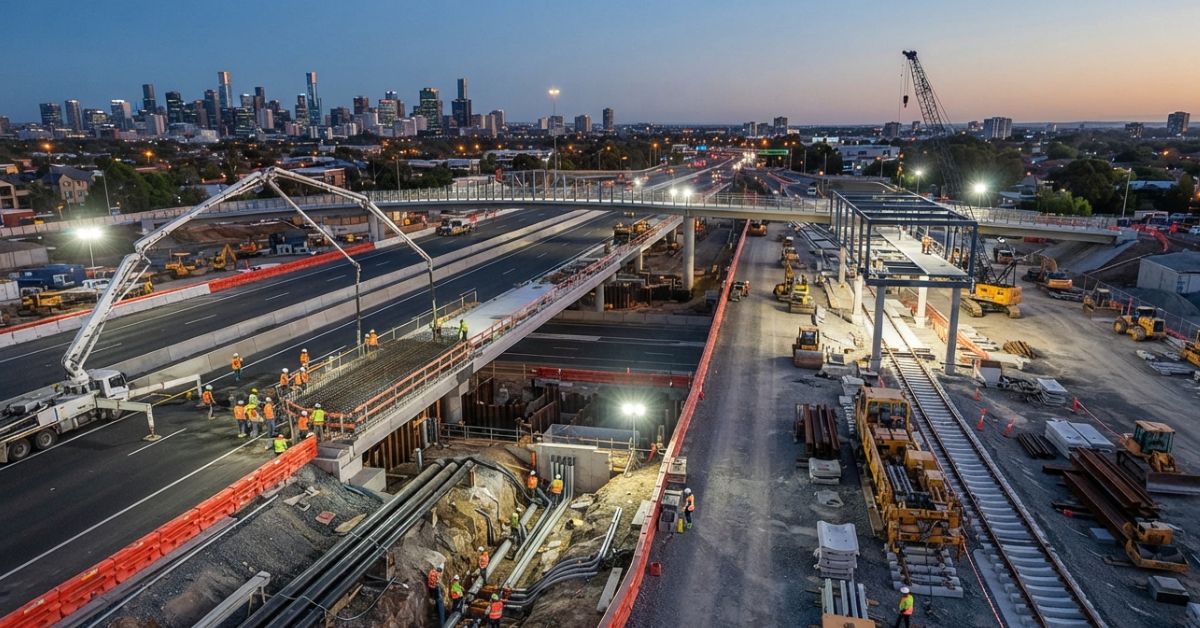
Most infrastructure begins long before a finished road, drainage system, or utility network becomes visible. The land first has to be prepared, underground systems need to be installed, and different parts of the project must connect at the right locations.
That work falls largely within civil construction. It creates the physical groundwork that allows transportation, utilities, drainage, commercial developments, and public facilities to function as planned.
Where Civil Construction Fits Into Infrastructure Development
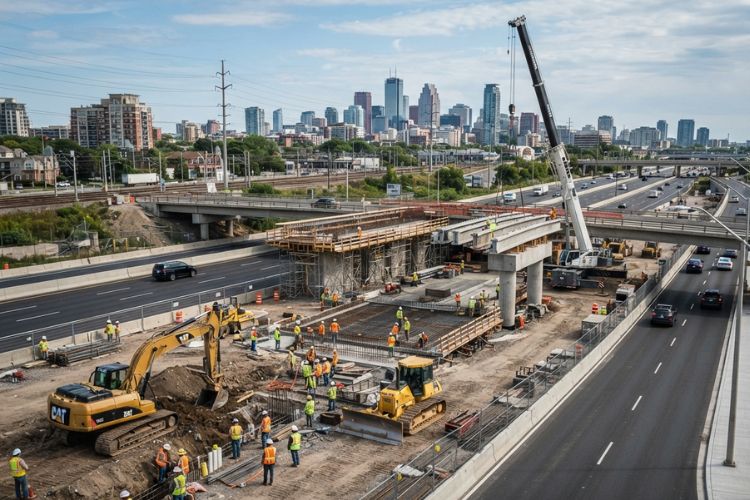
Infrastructure projects involve more than building what people eventually see above ground. Site elevations, soil conditions, underground services, water movement, and access all have to be addressed along the way.
Civil engineering construction takes the information provided in engineering plans and applies it in the field. The scope can range from earthmoving and utility trenches to concrete work, roads, and stormwater systems.
Because every property has different conditions, civil construction projects do not follow one identical scope. A road expansion, for example, presents different challenges from preparing land for a commercial development.
Building Infrastructure From the Ground Up
Much of the work supporting infrastructure happens below the finished surface. Getting these early stages right gives later construction a practical place to begin.
Preparing the Site
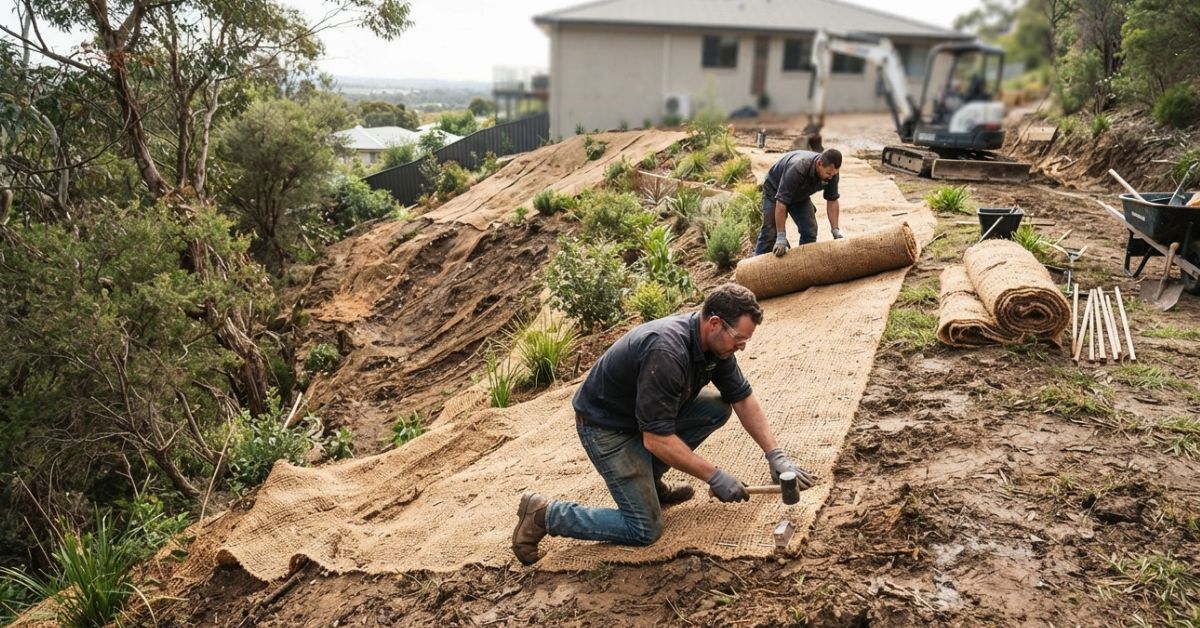
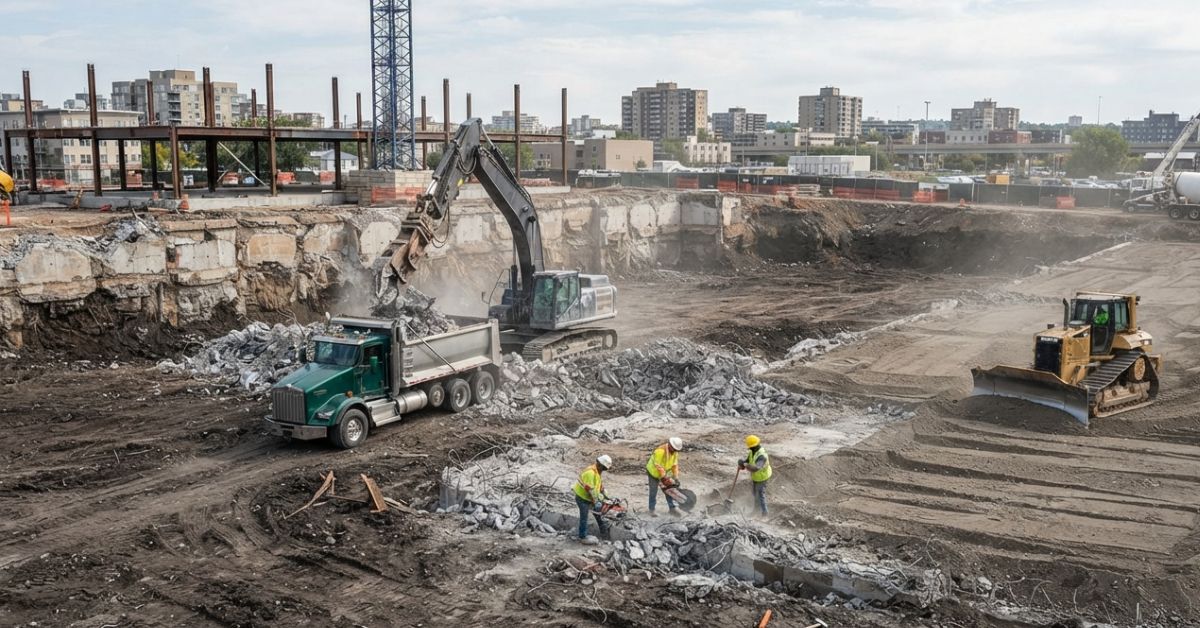
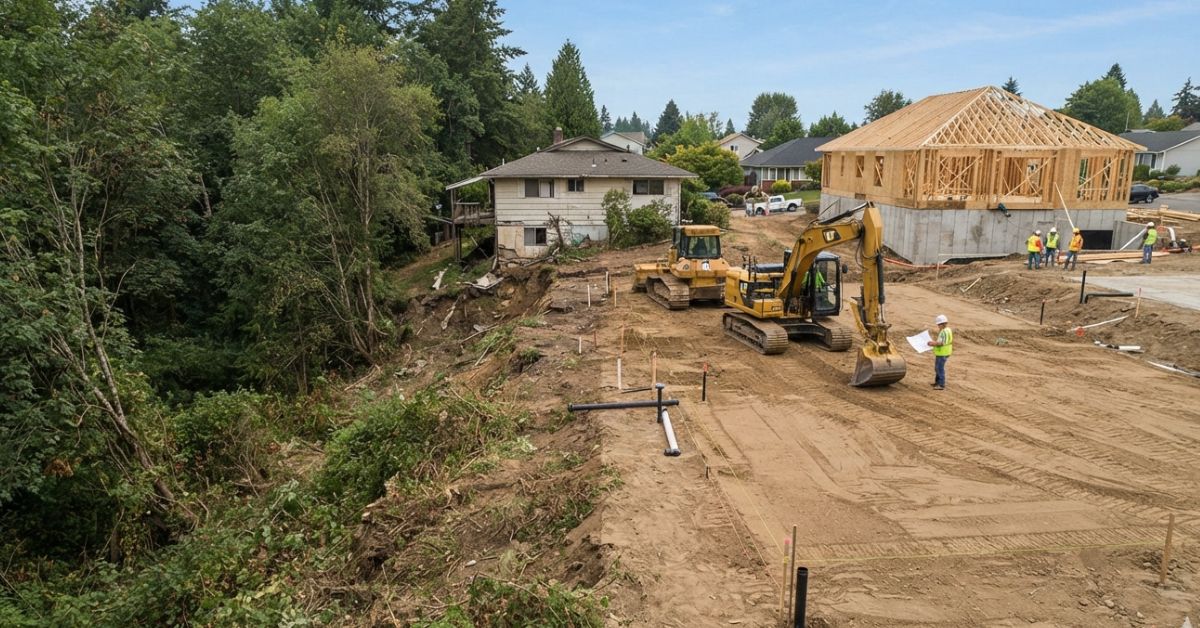
A project may start with clearing, excavation, grading, or filling areas that do not match the planned elevations. Soil may also need to be compacted before roads, structures, or other improvements are built above it.
This part of civil works construction shapes the site around the design rather than simply making the ground look level. Slopes, elevations, and finished grades often need to work with drainage and other infrastructure planned for the property.
For projects requiring Civil construction services Mississippi, the exact amount of site preparation will depend on existing terrain, soil conditions, access, and the requirements shown in the project plans.
Installing Underground Utilities
Water, sewer, storm lines, electrical conduit, and communication systems are often installed before permanent surfaces cover the site.
Crews excavate trenches to the required locations and depths, install the specified infrastructure, and backfill the area once the necessary work is complete. The installation also has to account for other underground systems sharing the site.
Planning utilities early helps reduce situations where completed pavement or concrete later has to be opened to reach unfinished underground work.
Building Roads and Access Routes
A road is more than its visible pavement. The ground below must first be shaped and prepared, followed by the base and other specified layers needed for the finished roadway.
Road construction also connects with drainage, utilities, curbs, sidewalks, and surrounding site elevations. These elements have to meet at the correct locations rather than being built as separate pieces.
That coordination makes transportation work an important part of infrastructure construction, whether the project involves a public roadway, development entrance, or internal access route.
Managing Water Across Developed Sites
Rainwater behaves differently once a property is developed. Instead of soaking naturally into open ground, water can run off roofs, roads, parking areas, and other hard surfaces. The site therefore needs a clear way to collect and move that water without allowing it to build up in the wrong places.
Connecting Grading With Drainage
Where the water goes often comes down to how the land is shaped. Grading creates the slopes that guide runoff toward drains, inlets, channels, or other planned collection points.
That makes grading and drainage closely connected in civil construction. Even small differences in site elevation can change the path water takes, so the finished grade needs to work with the drainage design rather than against it.
Installing Stormwater Infrastructure
Depending on the project, stormwater systems may include pipes, inlets, culverts, channels, or other drainage components. These features collect or move runoff through the site according to the drainage plan.
Their elevations and locations need to match surrounding roads, structures, and grades. A drainage feature placed correctly on paper still depends on accurate field construction to function as intended.
Working With Infrastructure That Is Already There
Not all infrastructure work happens on open land. Many civil construction projects involve sites where roads, utilities, buildings, and drainage systems are already present. Existing conditions can influence both the design and the way construction is carried out.
Building Around Existing Utilities
On an already developed site, crews cannot simply start digging wherever the new plans call for a utility line. Water pipes, sewer lines, electrical cables, gas lines, or communication systems may already be running through the same area.
These existing services can change where trenches are dug or how equipment moves through the site. In some cases, they also need to stay active throughout the work. The same challenge appears in industrial construction, especially when new infrastructure is added without interrupting the facilities already in operation.
Upgrading Older Infrastructure
Modern infrastructure work is not limited to adding new systems. Existing roads, drainage, and utilities may eventually require replacement, expansion, or modification.
Civil engineering construction can involve removing outdated components, preparing the area for replacements, and connecting new infrastructure back into systems that remain in use.
This work often requires a different approach from new-site development because contractors have less freedom to change surrounding conditions.
Why Construction Sequence Matters
A site can have many crews working toward the same finished project. Their work needs to happen in an order that makes sense.
Underground utilities, for example, are generally addressed before permanent surfaces are completed over them. Major grading also needs to account for roads, drainage features, and structures that will be built later.
Keeping Different Parts of the Project Connected
Good sequencing helps one stage prepare the site for the next. Earthwork establishes elevations, underground infrastructure occupies designated corridors, and later surface work can then be completed around those systems.
This approach is especially important in civil works construction, where several components may occupy the same relatively small section of a site.
Following the Engineering Plans
Project plans establish locations, elevations, slopes, dimensions, and material requirements for different parts of the infrastructure.
Surveying, inspections, and testing may be used during construction to check work against those requirements. When unexpected field conditions appear, contractors and project teams can determine how they affect the planned work before moving ahead.
Supporting Infrastructure Beyond Project Completion
A large amount of civil work becomes difficult to see once a project is finished. Utility lines are buried, prepared road bases sit below pavement, and drainage pipes operate beneath the surface.
Their location and installation still matter years after construction. Maintenance crews may eventually need to access utilities, drainage structures, roads, or other components for inspection and repair.
This is another reason infrastructure construction should consider how individual systems connect rather than focusing only on completing each item separately.
Building the Groundwork for Modern Development
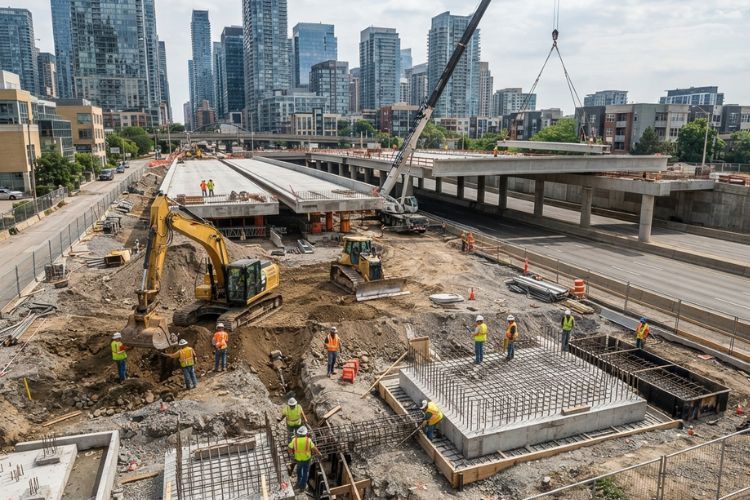
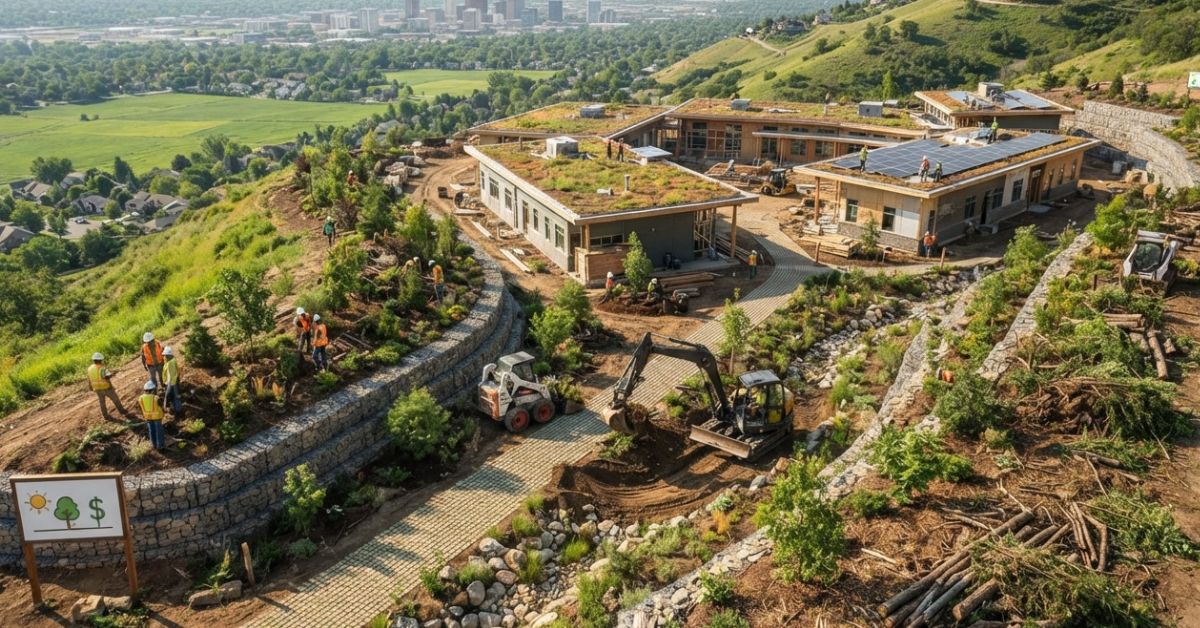
The contribution of civil construction is easiest to see when looking at an entire developed site rather than one service. Roads need prepared ground and drainage. Buildings need utility connections. Underground systems need routes that do not conflict with one another.
When these elements are built according to the project plans and coordinated in the field, they form the working infrastructure behind the finished development. Much of it may eventually disappear beneath roads, landscaping, and buildings, but it continues supporting how the site is used every day.
FAQs
What does civil construction include?
The scope varies by project but commonly includes excavation, grading, underground utilities, drainage, roadwork, concrete elements, and other site improvements.
Why is site preparation important for infrastructure?
Site preparation establishes the ground conditions and elevations needed for later work. It can also prepare areas for roads, drainage systems, utilities, and structural components.
What utilities are included in civil construction?
Depending on the project, civil contractors may work with water, sewer, stormwater systems, electrical conduit, and communication infrastructure.
How does civil construction support road projects?
Civil work can include earthwork, base preparation, drainage, underground utilities, curbs, and other site elements that need to be completed or coordinated with the roadway.
Does civil construction include infrastructure upgrades?
Yes. Civil work can support the replacement, expansion, relocation, or connection of existing utilities, drainage systems, roads, and other infrastructure.