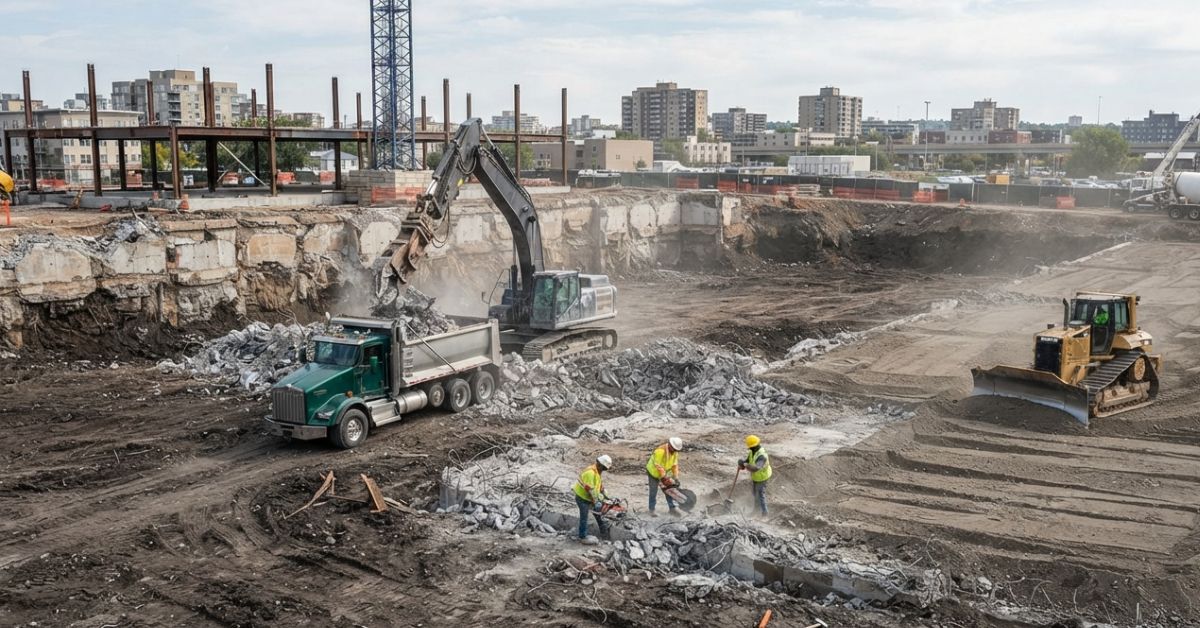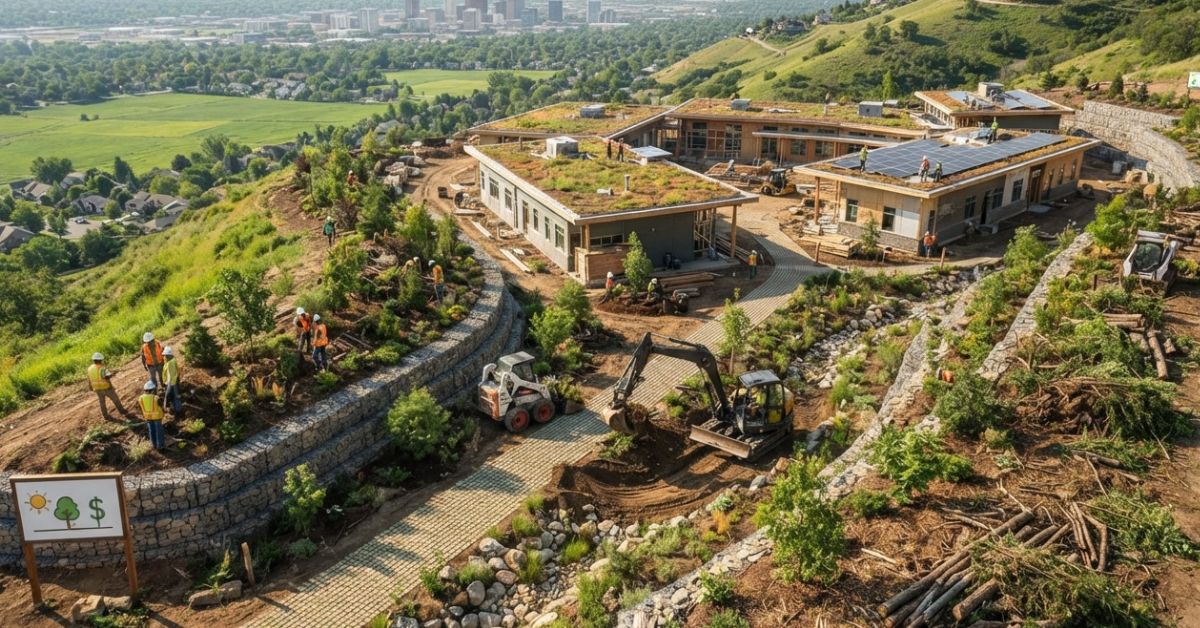
Some of the biggest site expenses come from work that has to be done twice. Soil gets hauled away, and new fill is brought back. A slope washes out and needs to be rebuilt. Drainage that looked fine on paper needs another fix once water starts moving across the property.
Sustainable site development helps avoid this kind of costly rework. It starts with understanding the site as it is, then planning clearing, earthwork, drainage, and material use around what the project actually needs. The result is less wasted work during construction and fewer site problems to deal with later.
Where Site Development Costs Start Adding Up?
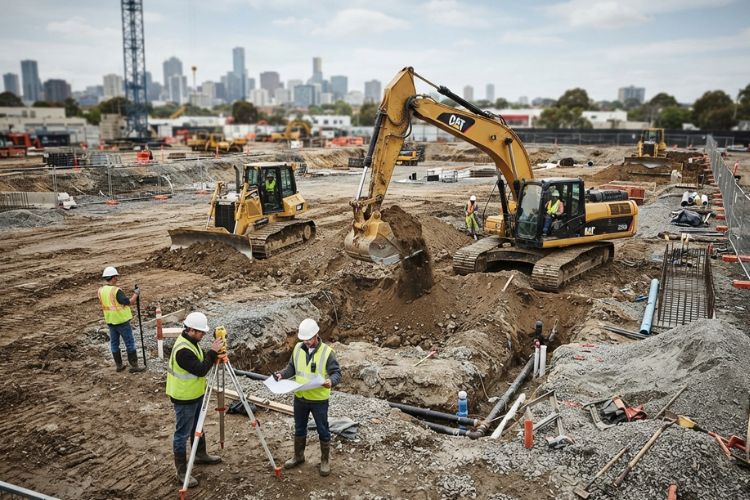
Site work involves much more than clearing enough space to build. Excavation, hauling, fill, equipment hours, drainage, erosion control, and access roads can all take a sizable share of the budget.
Costs climb when these jobs are planned separately. Extra clearing creates more exposed soil to stabilize, while poor grading can lead to additional drainage work. Sustainable site planning looks at how each part affects the next so crews spend less time correcting work that has already been done.
Start With the Land You Already Have
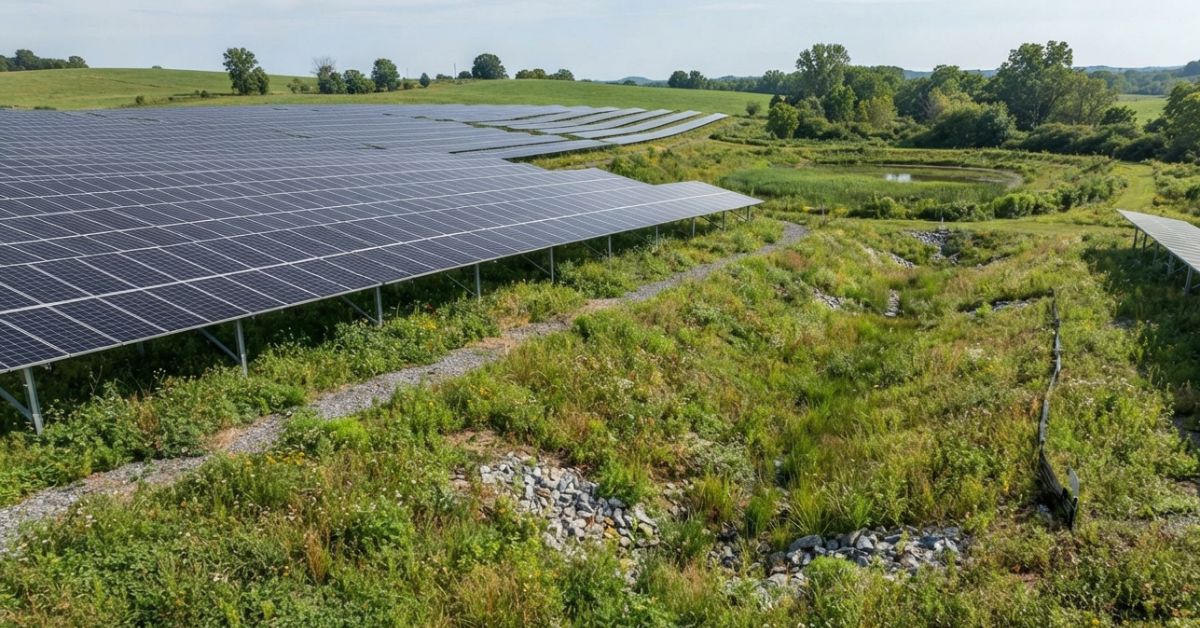
A property already has slopes, drainage paths, vegetation, and soil conditions before construction begins. Sustainable design takes a close look at these existing features before deciding how much of the site needs to change.
Clear Only What the Project Needs
Clearing more land than necessary means more equipment time and a larger area that needs grading and stabilization. Keeping work within the actual construction footprint can reduce disturbance without getting in the way of the project.
This approach is especially useful on large sites where clearing even a small amount of additional acreage can mean considerably more work.
Balance Cut and Fill
One area may have too much soil while another needs additional material. Instead of automatically hauling excavated soil away, suitable material may be used elsewhere on the project.
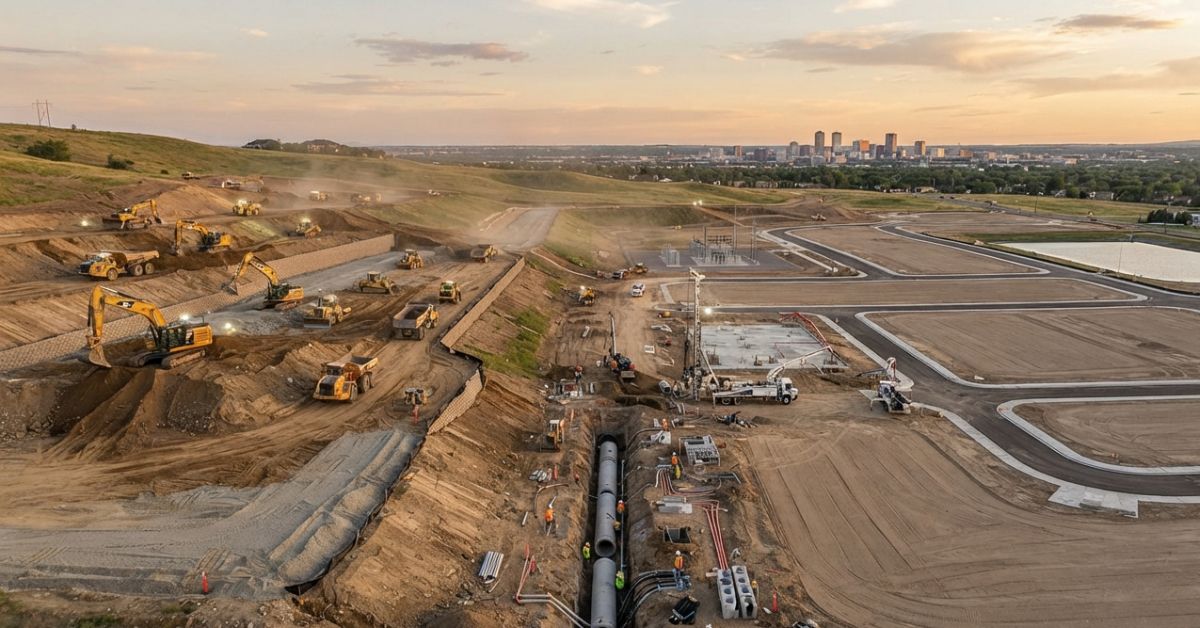
Experienced sustainable site development contractors can consider cut and fill as part of the same earthwork plan. Keeping suitable soil on-site where possible can reduce hauling, disposal, and the amount of imported material needed.
Move Less Material, Spend Less
Every load of dirt has a cost behind it. Soil has to be excavated, loaded, hauled, unloaded, and sometimes disposed of. If new fill is needed afterward, another round of trucking begins.
This is where sustainable construction becomes practical rather than just an environmental idea. Efficient earthwork planning can reduce unnecessary soil movement while still getting the site to the elevations required by the plans.
Fewer unnecessary trips also mean less fuel use, equipment wear, and time spent moving material instead of progressing with the job.
Plan for Water Before It Becomes a Problem
Rain can change a jobsite fast. Water starts sitting where crews need to work, soil gets carried downhill, and a section of road that was fine a few days ago may suddenly need attention. A lot of that trouble can be avoided when drainage is considered before the ground is reshaped.
Work With Existing Drainage
Water already has a path across the property before construction starts. Sustainable site development takes those existing drainage patterns into account when setting grades and planning the layout.
The original drainage will not always work with the new development, but it gives crews a starting point. Roads, building pads, utilities, and drainage features can then be placed without sending runoff somewhere it should not go.
Keep Erosion From Creating More Work
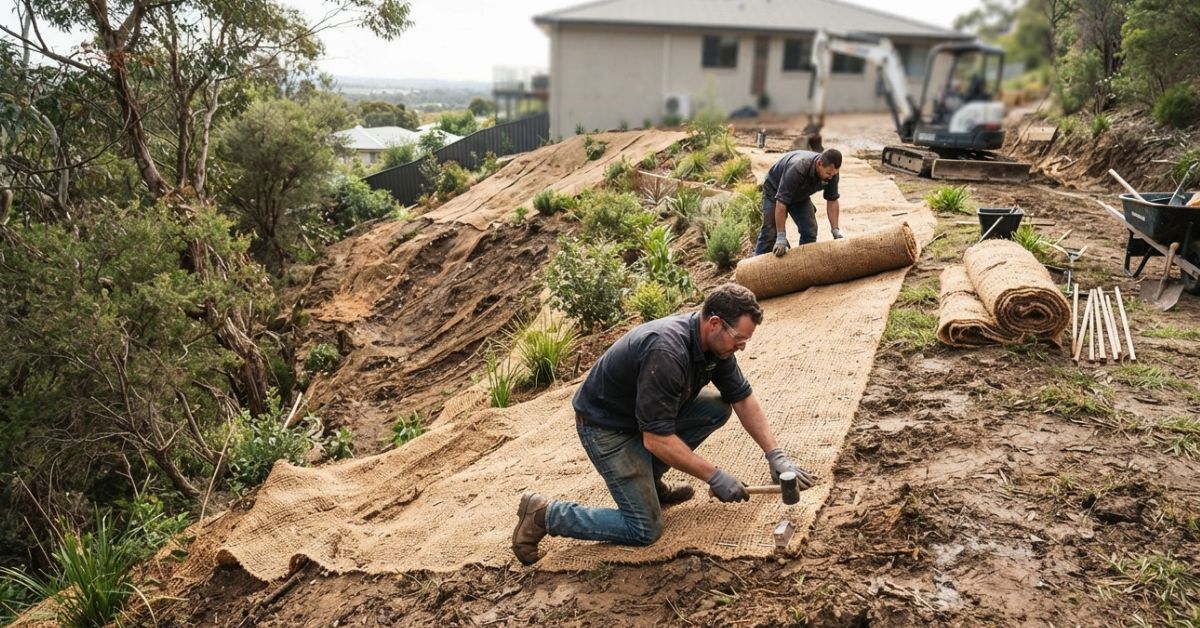
Once bare soil is exposed, a heavy rain can undo hours of work. Slopes can wash out, sediment can end up in ditches or basins, and crews may have to come back with more material and equipment to clean up the damage.
Good sustainable design includes erosion control while the site is being worked, not after problems start showing up. Keeping disturbed areas manageable and protecting exposed soil can save crews from repairing the same ground again.
Reuse Materials When It Makes Sense
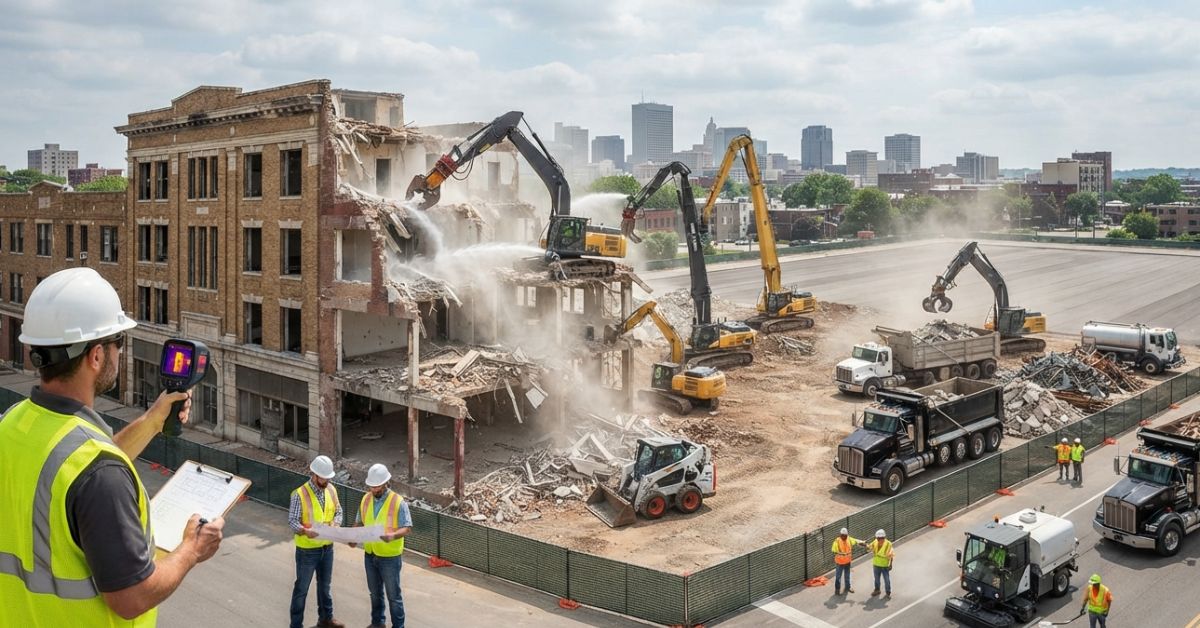
Not everything excavated or removed during construction automatically becomes waste. Suitable soil may work as fill elsewhere, while certain aggregates and other materials may have another use depending on project specifications.
Reusing material can support sustainable development while cutting down on disposal and transportation. It can also reduce the need to purchase replacement material and haul it back to the property.
The key is suitability. Material should only be reused when it meets the requirements for its new purpose. Sustainability should never come at the expense of the site’s performance.
Think About Costs After Construction
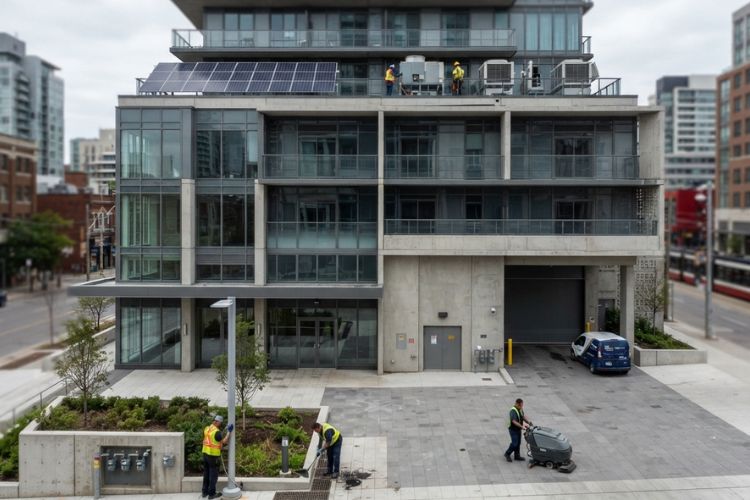
Site costs do not end when construction is finished. Roads that need frequent repairs, washed-out slopes, and drainage areas filled with sediment can all add to future maintenance.
Roads and Access Areas
Heavy traffic and rain can quickly damage a poorly prepared road. A solid base, proper grade, and good drainage help prevent ruts, soft spots, and repeated repairs.
Slopes and Drainage
Slopes and drainage areas need to handle runoff without constant erosion or sediment buildup. Sustainable site planning considers how these areas will perform long after construction is complete.
Coordinate Site Work From the Beginning
Grading, drainage, roads, and utilities all share the same work area. If they are planned separately, crews may have to return and disturb ground that was already finished.
Coordinating site development services early helps keep the work in the right order. It also supports sustainable construction by reducing rework, extra equipment time, and wasted materials.
The Lowest Upfront Price Isn’t Always the Lowest Cost
A cheaper option today can become an expensive one if crews have to return later. Drainage corrections, erosion repairs, additional fill, and repeated grading can quickly change the final cost of a project.
Some sustainable design choices may require more investment at the start. Others can produce immediate savings simply by reducing clearing, hauling, or material use.
The point of sustainable development is not to choose the cheapest or greenest option every time. It is to consider what works for the property now and what is likely to keep working without unnecessary maintenance later.
Conclusion
Good sustainable site development can save money in simple ways: moving less material, getting drainage right early, controlling erosion, and avoiding work that has to be done again.
J.E. Shurden Construction brings earthwork, grading, drainage, utilities, erosion control, and site preparation together as part of its civil construction work. With those pieces properly coordinated, a site is better prepared for the project being built on it and for the years that follow.
FAQs
Is sustainable site development more expensive?
Not necessarily. Some choices may cost more at the start, but they can save money later by cutting down on extra hauling, wasted materials, rework, and ongoing repairs.
Can excavated soil be reused?
Yes, if the soil is suitable and meets the requirements for where it will be placed.
How can drainage planning save money?
Getting drainage right early can reduce erosion, standing water, road damage, and costly corrections later.
Why does erosion increase costs?
Washed-out soil may need to be replaced, graded again, and stabilized.
When should sustainable planning begin?
Ideally, before clearing and major earthwork begin, when there is still room to adjust the site plan.