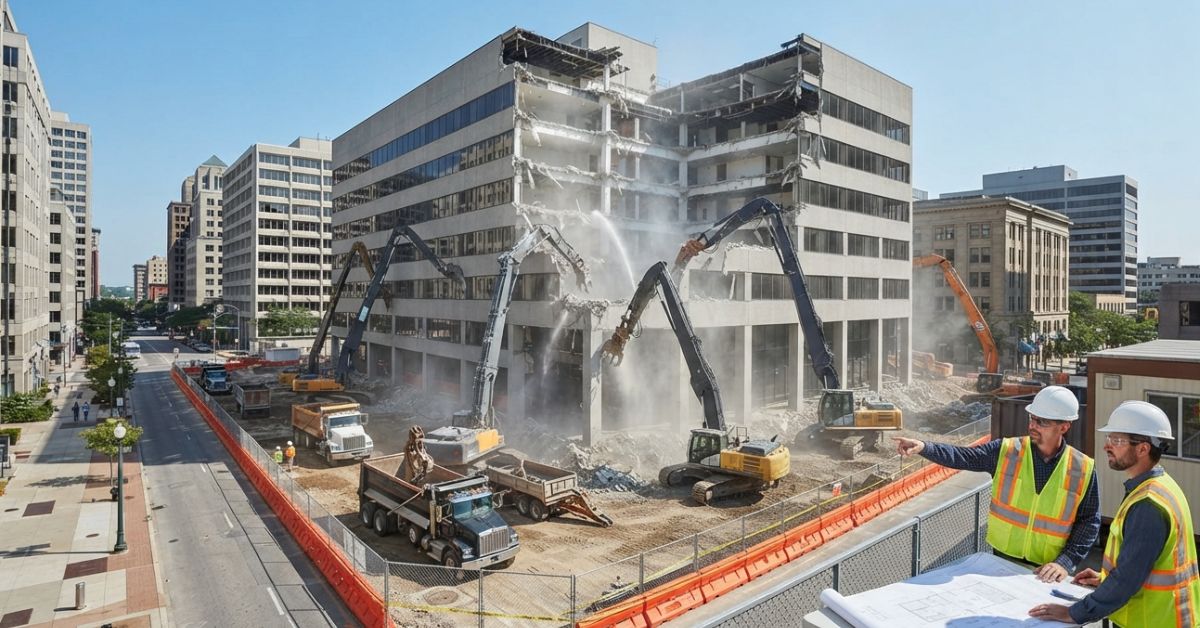
Commercial demolition is more than bringing down a structure. It requires careful coordination, regulatory compliance, and a well-organized schedule to keep redevelopment plans moving forward. Without proper preparation, commercial demolition delays can increase costs, disrupt business goals, and postpone the next phase of construction. Knowing what to expect before work begins helps property owners make informed decisions and avoid unnecessary setbacks.
Is Demolition the Right Choice for Your Property?
Demolition isn’t always the only solution. In some cases, renovating an existing building is more practical, while in others, starting with a clean site provides greater long-term value.
Before making a decision, consider the building’s structural condition, renovation costs, future land use, and local regulations. If repairs are extensive or the property no longer meets your development goals, demolition may be the smarter investment.
Evaluating these factors early also supports better demolition project planning, allowing owners to establish realistic budgets and timelines before work begins.
Start With a Complete Property Assessment

A detailed assessment helps uncover issues that could delay the project after demolition has been scheduled. Addressing these concerns early reduces risks and improves efficiency.
1. Evaluate Structural Conditions
An engineering inspection determines the condition of walls and foundations that may not be stable. This information aids contractors in choosing the right kind of machinery and a safe method of demolition.
2. Identify Hazardous Materials
Old commercial structures might have asbestos, lead-based paints, molds, and other hazardous materials. These materials need to be located and eliminated following the local rules. Ignoring this step would cause problems for commercial demolitions because there would be more delays, fines, and costs associated with it.
3. Review Underground Utilities and Site Access
The presence of old pipes for water, gas, electricity, and communication should first be established before any demolition process begins. Access to the site by equipment, nearby buildings, or busy roads could affect schedule planning.
Working with experienced site clearing contractors during this stage helps identify site challenges early and supports a safer, more efficient demolition process.
Build a Realistic Demolition Plan Before Equipment Arrives
A successful project begins long before heavy machinery reaches the property. Careful preparation reduces confusion, improves communication, and helps prevent avoidable demolition delays.
1. Define the Project Scope
It is important to clarify the structures that will be demolished and the materials that need to be extracted. This will make it easier for all parties involved to know where the project boundaries lie.
2. Establish a Practical Timeline
All commercial projects need adequate time to allow for inspections, permitting, abatement of hazardous materials, and debris removal. Aggressive scheduling will most certainly cause problems for commercial demolition when unforeseen complications occur.
3. Plan for Traffic, Neighbors, and Business Operations
Demolition work can affect nearby businesses, roads, and surrounding buildings. Planning road closures, equipment deliveries, and work schedules in advance helps reduce disruptions while following proper demolition safety procedures.
Understand the Permits and Compliance Requirements
The demolition process cannot begin unless the necessary permits are obtained and the regulations followed. This will ensure that everything moves smoothly with no hitches.
1. Local Demolition Permits
Almost all local governments issue permits for demolition before the process begins. They may ask for information like site plans, technical drawings, and documentation regarding the disconnection of utilities. The lack of information is one of the causes of commercial demolition delays.
2. Environmental Regulations
Buildings that have been around for many years may need to be tested for asbestos, lead, or other harmful substances. Adhering to environmental regulations will keep the employees, nearby buildings, and community members safe.
3. Utility Disconnections and Notifications
It is important that electrical, gas, water, sewer, and other utility lines be disconnected before the demolition can take place. The property owner should also inform any nearby business entities or residents of any effect this may have on them.
Choosing the Right Commercial Demolition Contractor
Selecting the right contractor can make the difference between a smooth project and months of unnecessary setbacks. Experience should carry more weight than the lowest bid.
Seek out a contractor that has done similar projects in the past and has all the relevant licensing and insurance. Inquire about their style of working, including how they communicate and deal with problems on-site.
A professional contractor will know how to coordinate the process of cleaning up, grading, and preparing after demolition work is done.
If you’re searching for reliable demolition contractors Mississippi, choose a team that prioritizes planning, safety, and transparent communication throughout every stage of the project.
Common Mistakes That Cause Demolition Delays
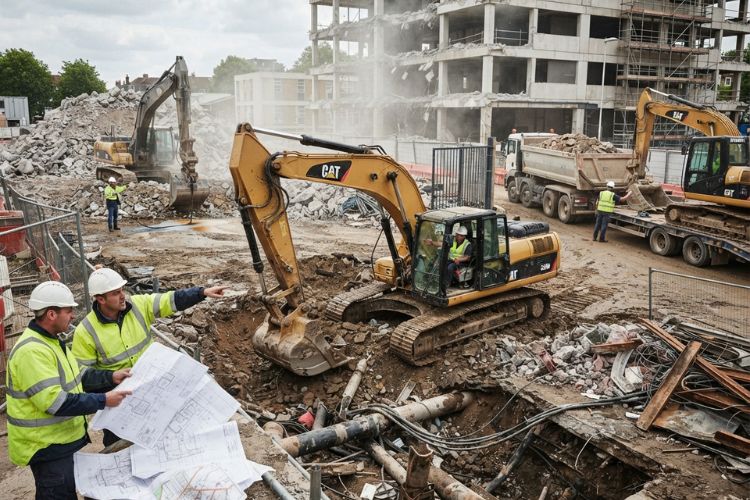
Even well-funded projects can experience setbacks when important steps are overlooked.
1. Waiting Too Long to Start Planning
Rushing permits, inspections, and scheduling often creates avoidable demolition delays. Starting demolition project planning early gives enough time to address unexpected challenges.
2. Ignoring Hidden Site Conditions
Underground utilities, unstable structures, or hazardous materials can delay work if they aren’t identified before demolition begins. Early inspections help determine the safest controlled demolition methods for the site.
3. Choosing a Contractor Based Only on Price
A low bid does not always mean good value. Sometimes, novice contractors fail to consider aspects of planning that result in costly commercial demolition delays.
4. Overlooking Waste Removal Planning
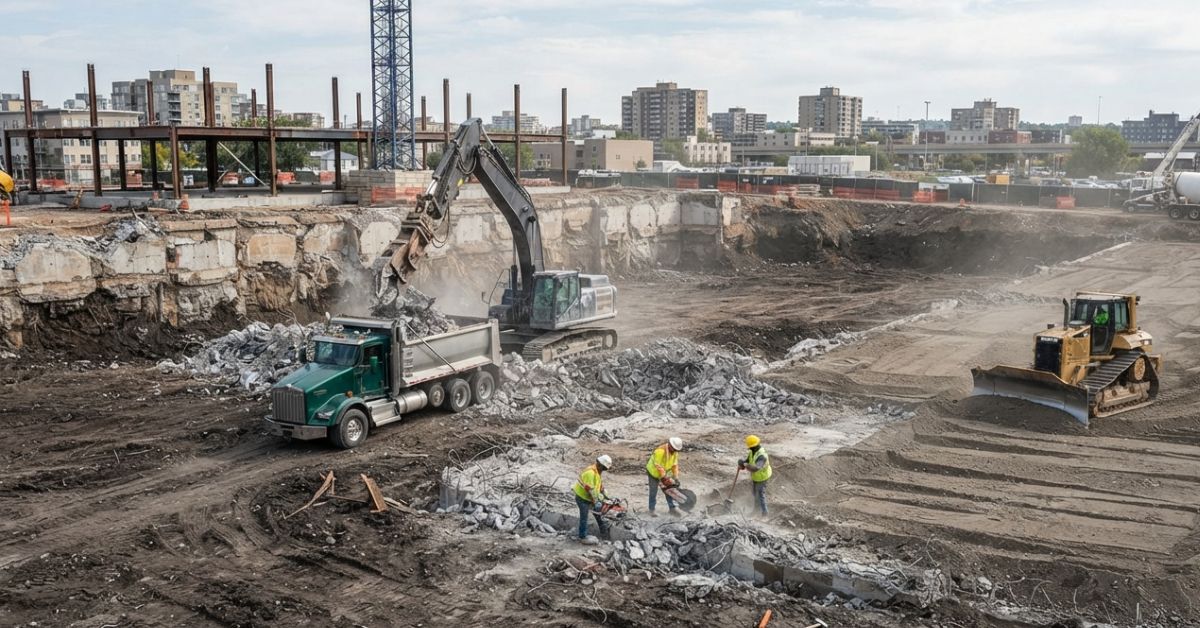
Demolition does not stop at pulling down the structure. Proper planning concerning debris removal and transportation ensures an orderly process without any disruptions to the project.
What Happens After Demolition Is Complete?
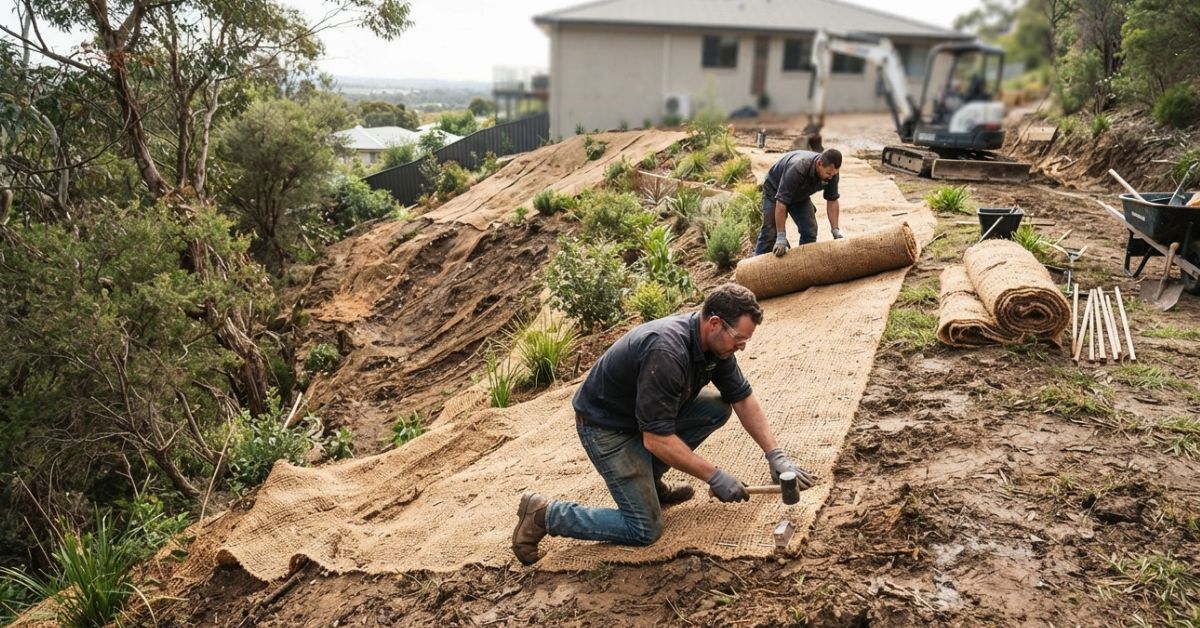
After the demolition process is completed, the next step involves preparing the property for its next stage of development. Debris removal, recycling of waste materials, and grading are some of the procedures that may be undertaken at this point. Site clearing contractors may also help prepare the site for erosion control and further development.
Many companies offering demolition services also provide post-demolition site preparation, allowing owners to work with one contractor from demolition through redevelopment.
Questions Every Commercial Property Owner Should Ask Before Demolition
Before approving the project, make sure you can answer “yes” to these questions:
- Have all demolition permits been approved?
- Have hazardous material inspections been completed?
- Are utility disconnections scheduled?
- Is the demolition timeline realistic?
- Has debris removal been planned?
- Is the site ready for redevelopment?
Final Thoughts
Avoiding commercial demolition delays starts with careful preparation, experienced professionals, and realistic planning. Taking the right steps before demolition begins helps reduce risks, control costs, and keep your redevelopment project moving forward.
To all those business people who need a demolition contractor that can help them complete their project without hitches, then J. E. Shurden Construction is the company you need. The company ensures that your projects are executed safely and professionally in all aspects of the demolition and redevelopment process.
Frequently Asked Questions
How long does a commercial demolition project take?
Most projects take several weeks, although larger or more complex sites may require additional time.
Do all commercial buildings require hazardous material testing?
Older buildings often do. Local regulations determine when testing is required.
Can demolition begin before permits are approved?
No. Required permits must be issued before demolition work can legally begin.
What affects the cost of commercial demolition?
The factors include the size of the structure, the presence of hazardous material, accessibility, and other site conditions.
What happens to demolition debris?
Materials are sorted for recycling, disposal, or reuse before the site is prepared for future development.