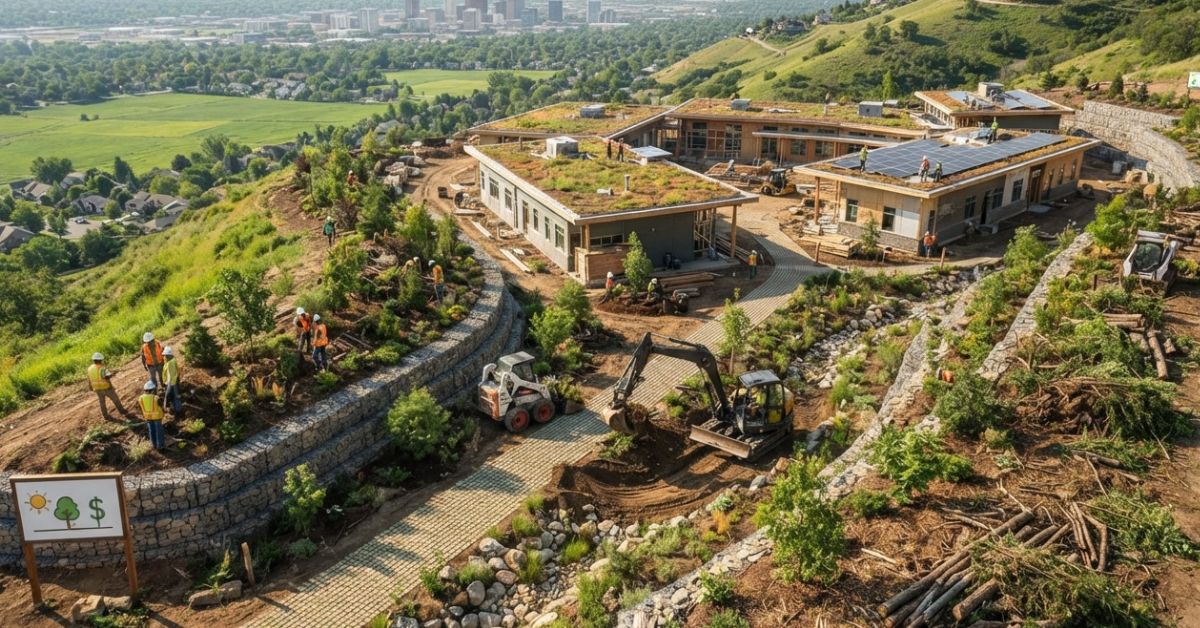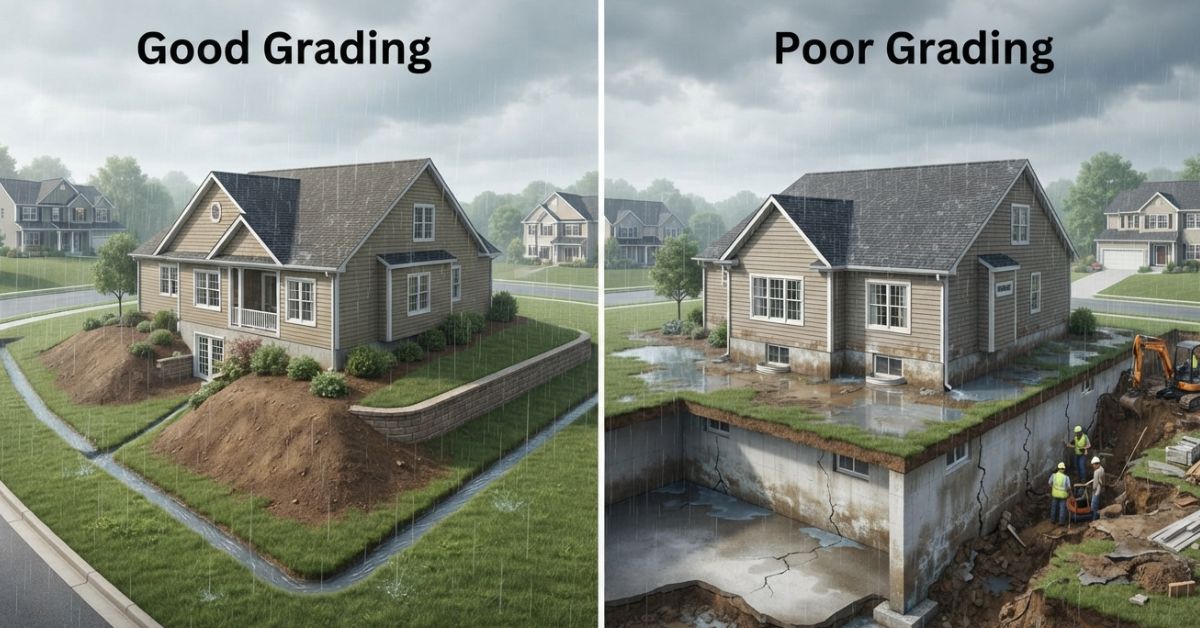
A construction project can look complete on the surface, but still develop costly drainage problems months later. In many cases, the issue isn’t the drainage system itself. It starts with the way the land was graded. Even small elevation mistakes can change how water moves across a property, leading to standing water, erosion, and structural damage. Understanding the causes of poor grading drainage problems helps property owners protect their investment and avoid expensive repairs.
Water Always Follows the Grade
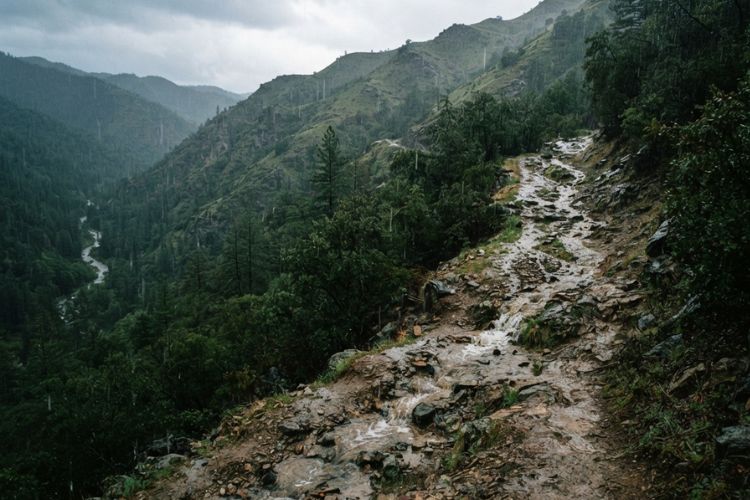
Water naturally flows toward the lowest point on a property. If the ground isn’t shaped correctly, rainwater will collect where it shouldn’t instead of draining away from buildings, roads, or parking areas.
This is why grading is one of the most crucial phases in preparing the site. Grading ensures that water flows to the right drainage system, while incorrect slope grading causes the accumulation of water, washing away of soil, and even intrusion into neighboring buildings.
The Hidden Costs of Poor Grading
Sometimes, grading errors do not cause any problem immediately. Such problems become apparent only when there is heavy rain or when the area has to go through various climatic changes. Small issues related to drainage can become major ones eventually.
1. Standing Water Around Structures
Standing water around a structure usually points to one of the first signs of bad grade drainage problems. Rather than draining away from the structure, the water tends to pool against the foundation, sidewalks, and load zones.
This standing water could result in the weakening of concrete, cause slip hazards, and allow for moisture intrusion into the structure. Fixing any drain problems early on would be much cheaper than fixing any resulting damage.
2. Soil Erosion and Washouts
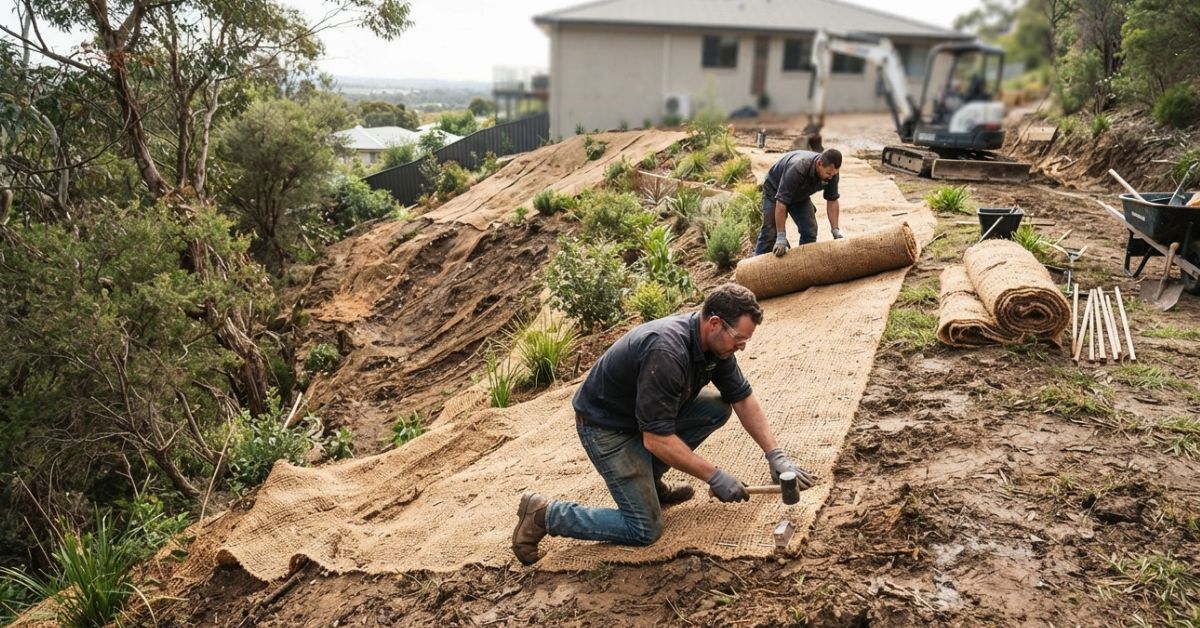
When stormwater flows too quickly across uneven ground, it carries soil with it. This erosion caused by grading can expose utility lines, damage landscaping, and create unstable slopes.
Besides affecting the appearance of a property, soil loss may also reduce the strength of retaining areas and increase future maintenance costs. Proper grading helps keep soil in place while controlling runoff during heavy rainfall.
3. Foundation Movement and Cracking
Poor drainage affects not only the surface but also the soil below the structure itself, which can lead to either settlement or expansion over time because of the excess moisture.
The shifting could cause cracks or the floors themselves to become uneven, or even foundation problems. Grading and drainage problems usually arise long before any visible damage occurs.
4. Pavement and Parking Lot Damage
It is very important to have proper drainage because the presence of water underneath the pavements affects the durability of the road surface. Accumulation of water continuously underneath these surfaces weakens the pavement surface.
Cracking, potholes, and surface deterioration are often signs of poor grading drainage problems rather than poor paving materials. Addressing the source of the drainage issue helps prevent repeated repair costs.
Where Grading Mistakes Usually Happen?
Grading problems can develop at several stages of a construction project. Identifying where errors are most likely to occur makes them easier to prevent.
1. During Site Design
Every effective grading scheme starts with correct surveying and engineering plans. Failure to do proper evaluations in terms of elevations, drainage, and soil conditions can compromise how effectively water is moved.
Careful planning also reduces the need for future drainage correction, saving both time and money after construction is complete.
2. During Earthwork
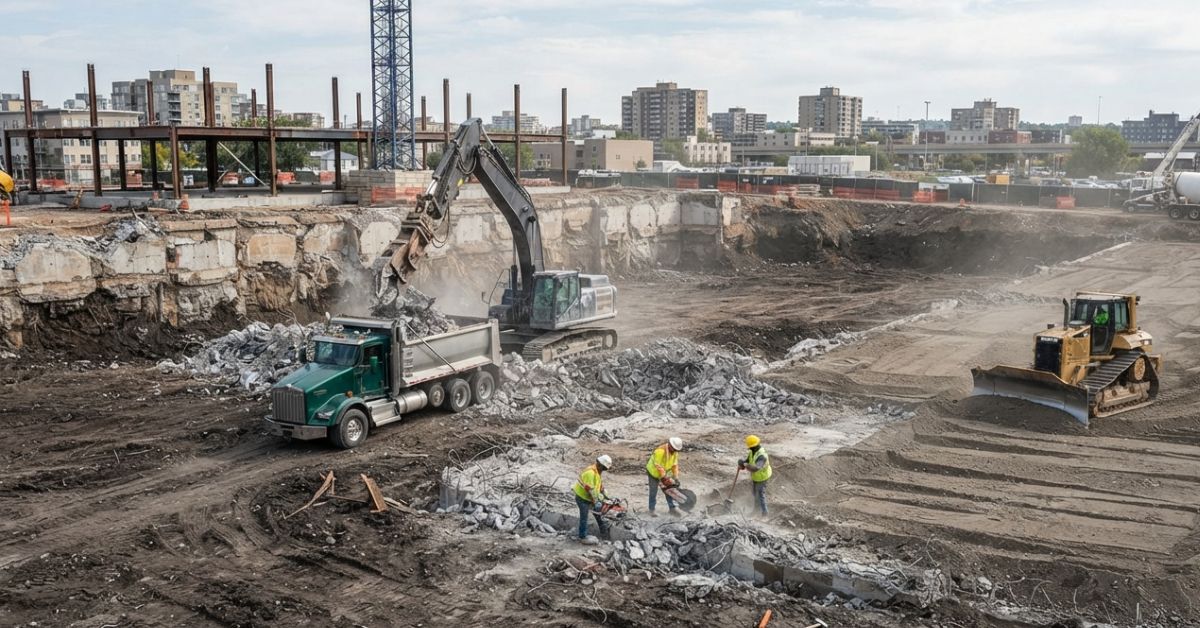
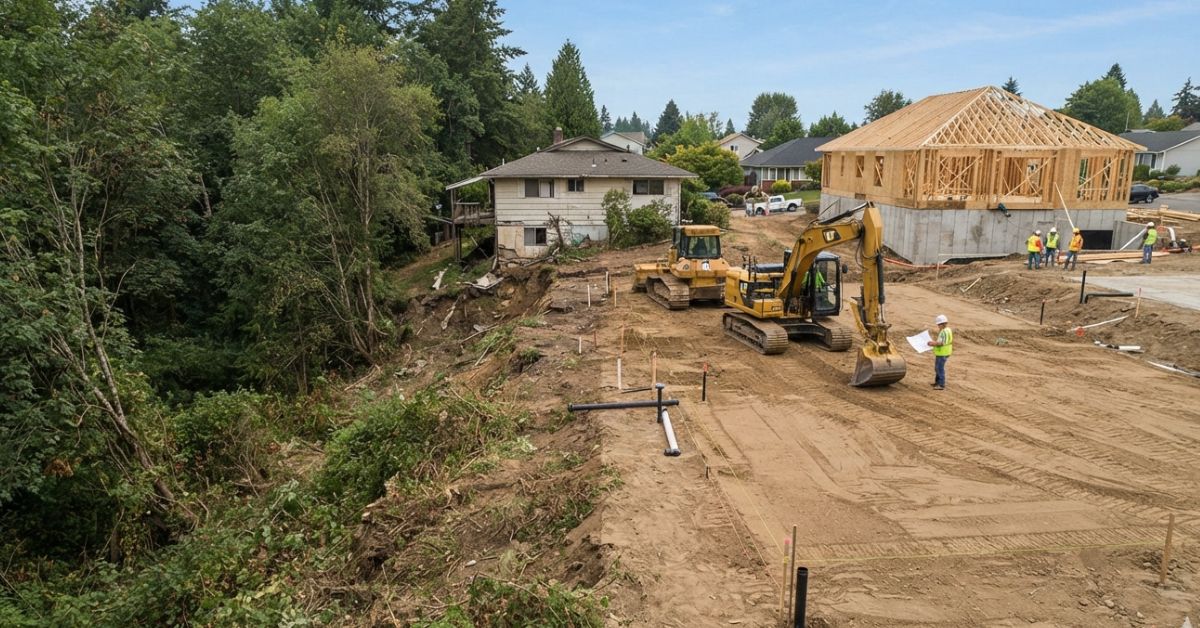
Even the best design can fail if grading isn’t performed accurately in the field. Equipment operators must follow approved elevations and verify slopes throughout the project.
Working with experienced site grading services helps ensure the finished grade matches engineering specifications and reduces the likelihood of improper slope grading that could create long-term drainage concerns.
3. During Final Grading
It is at the final stage of grading where minor errors get ignored. Small pits or improper transitions may not matter much when constructing, but can be big trouble for drainage issues once a few rains start falling.
Before completing the construction project, the contractors need to do the following to avoid grading drainage issues: inspect the final grade levels, confirm the flow of the drainage, and ensure that the water runs away from the structures properly. This helps to prevent erosion due to grading.
Why Drainage Problems Keep Getting Worse Over Time?
Drainage problems usually do not remain static in nature. A small puddle that forms during a storm will eventually become a bigger problem due to water taking the same route each time. This weakens the soil and leads to damage to any adjacent surface, and raises the cost of repairs.
Without timely drainage correction, water continues to collect in low areas, causing more serious grading and drainage issues. Acting early helps prevent minor problems from turning into expensive restoration projects.
Simple Ways to Prevent Drainage Failures
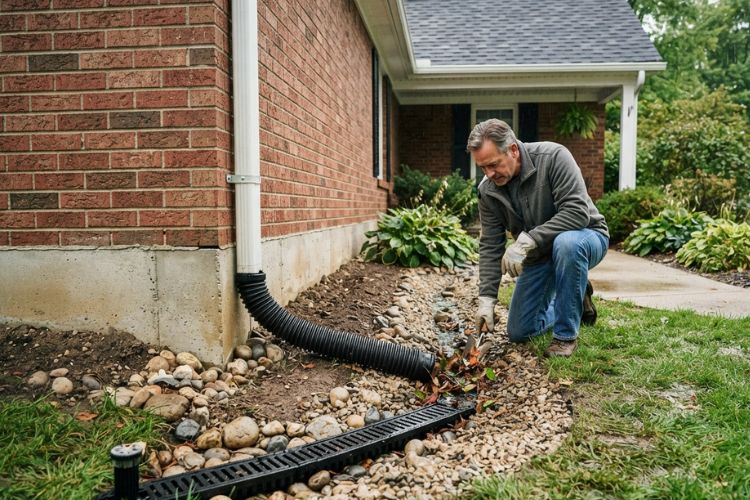
Preventing drainage problems is much easier than repairing them. Careful planning and regular inspections can help protect both new and existing developments.
1. Complete Accurate Site Surveys
A site survey in detail will provide proper elevation information and natural drainage patterns. This information can then be used by engineers to design a grading plan that diverts water from buildings and pavements.
2. Follow Engineered Grading Plans
The grading crew should adhere to approved plans during construction. Minor changes in the elevation could result in poor drainage, despite the proper design of the site. Checking the fields on a regular basis ensures that the grade is done correctly according to the project specifications.
3. Check Drainage Before Project Completion
Before concluding the project, it is wise to inspect the project after rainfalls or drainage tests, if necessary. Detecting water pooling at an early stage is easier and more cost-effective when it comes to drainage.
4. Maintain Proper Surface Slopes
Over time, landscaping, the use of heavy equipment, and settling may alter the grade. Proper inspection will help determine those areas that require slope adjustment.
The Value of Professional Site Preparation
Quality grading is about more than moving soil. It requires experienced operators, accurate equipment, and careful attention to drainage details throughout the project.
Professional crews understand how water behaves across different site conditions and know how to avoid poor grading drainage problems before construction is complete. Working with experienced grading contractors in Mississippi helps ensure grading is completed the first time, reducing future maintenance and protecting the long-term value of the property.
Final Thoughts
Proper grading protects every stage of a construction project. Investing in accurate planning, experienced crews, and routine inspections helps prevent poor grading drainage problems, reduces future repair costs, and keeps drainage systems working as intended for years to come.
Grading needs experience, accuracy, and proper planning. J.E. Shurden Construction is a company offering grading services and drainage for commercial and civil projects in Mississippi. Equipped with experienced personnel and advanced technology, this company emphasizes the creation of well-prepared and stable sites to avoid any future problems with drainage and other project complications.
Frequently Asked Questions
How does poor grading affect drainage?
The improper grading process will result in poor drainage of the land since there will be an accumulation of water in the area.
Can improper grading damage a building foundation?
Yes. Water collecting around a foundation can weaken supporting soil and eventually lead to cracking or settlement.
What are the signs of drainage failure?
Standing water, soil erosion, wet basements, pavement damage, and uneven ground are common warning signs.
Can poor grading be corrected after construction?
Yes. Regrading the site and improving drainage systems can resolve many issues before they become more serious.
Why should grading be completed before paving or landscaping?
This will prevent any drainage problems before paving or landscaping is installed, which could lead to future damage to that work.