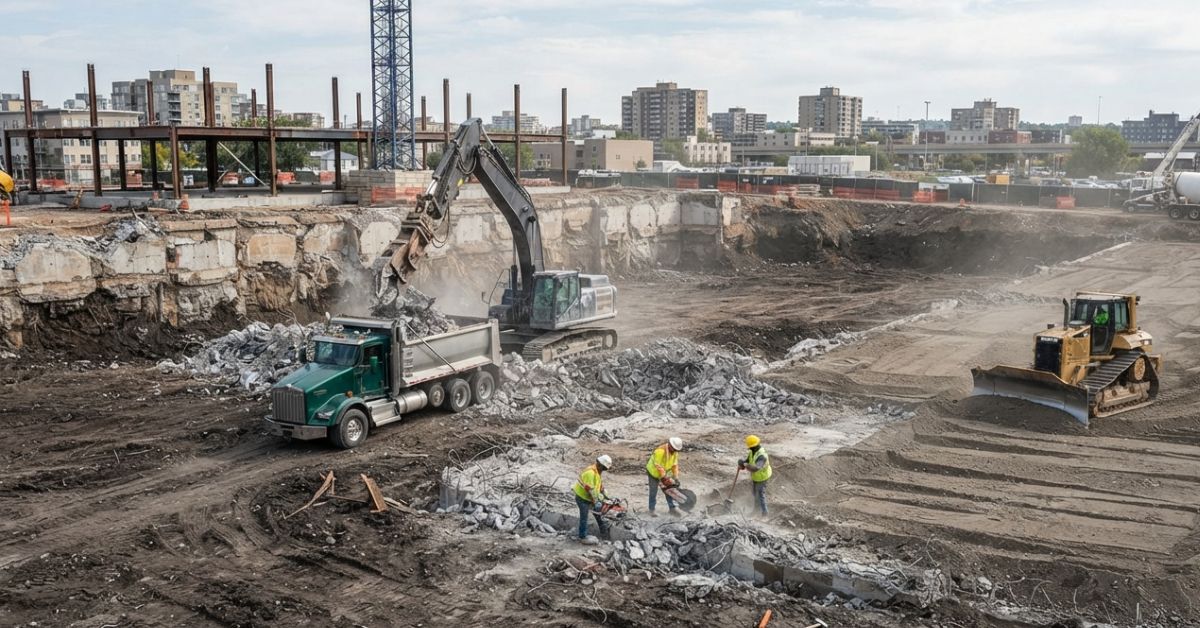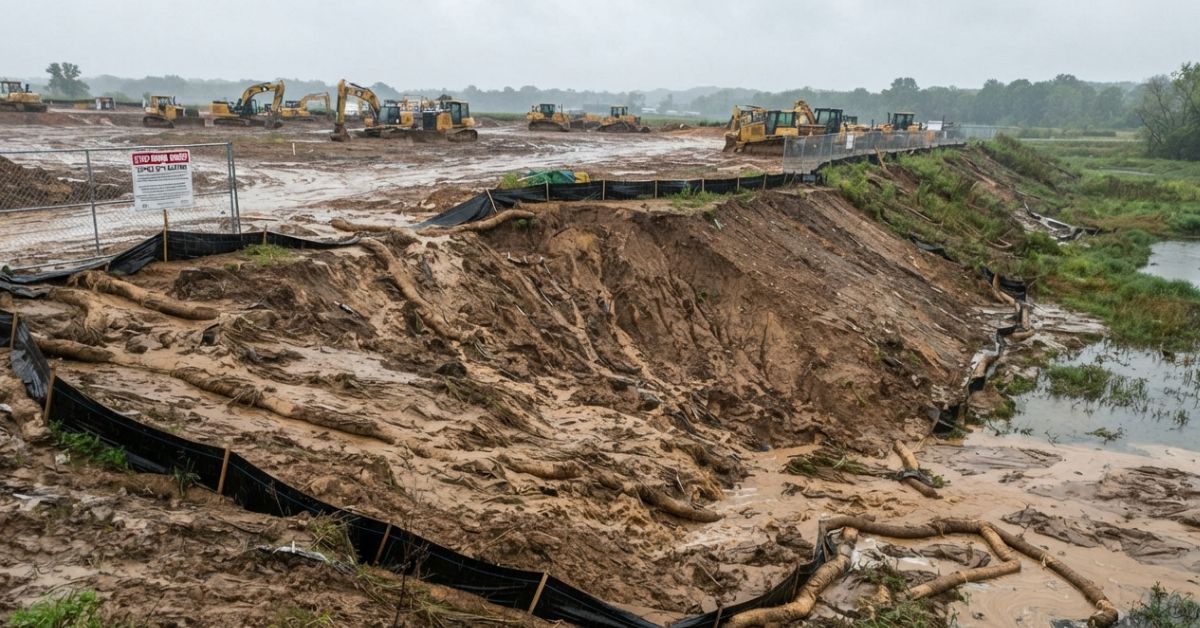
Construction projects depend on careful planning, but even the best schedules can be disrupted when erosion control measures are overlooked. Erosion control failures can lead to sediment runoff, environmental concerns, failed inspections, and costly delays that affect every stage of a project. Preventing these issues starts long before construction equipment arrives on site.
Every construction site presents different challenges depending on soil conditions, terrain, and weather. Implementing effective site erosion control strategies from the beginning helps protect disturbed land while supporting project timelines and regulatory requirements. Understanding the most common failures allows contractors to address potential risks before they become expensive problems.
Why Erosion Control Cannot Be Treated as an Afterthought?
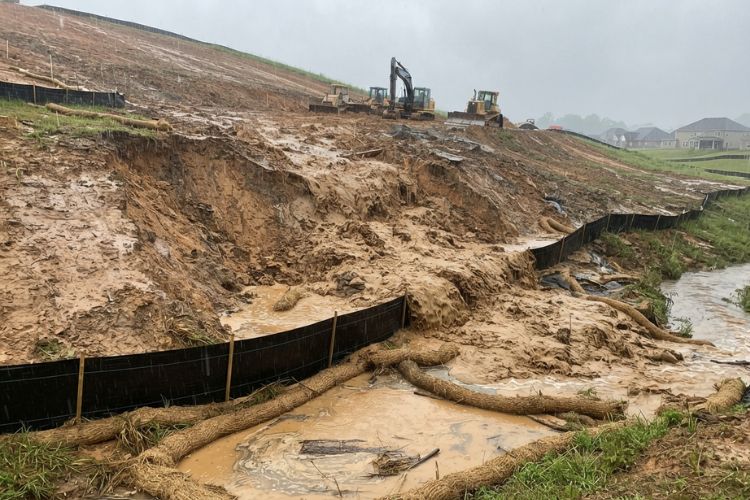
Land disturbance begins right from the moment when the clearing, grading, and excavation activities begin. In the absence of adequate planning, soil erosion may happen quickly through the process of washing out exposed soil due to rainfall. When this happens, it becomes difficult and costly to correct the problem later.
Erosion control construction requires planning to be effective rather than implementing it when problems appear. Preparing for erosion control measures before earthmoving operations begin can reduce the potential environmental dangers and provide a better construction process.
Common Erosion Control Failures That Disrupt Construction
Many construction delays arise due to avoidable errors that occur during the early phases of construction. Spotting these errors ensures that the contractor can exercise better control over the construction site, without any interruptions.
1. Delayed Installation of Control Measures
A major factor that leads to erosion control failures is the delay in implementing erosion control measures. Soil that has been disturbed continues to be susceptible until proper erosion control measures have been taken, which means that rainwater will take the soil outside the construction site.
2. Poor Stormwater Drainage Planning
Stormwater needs to be properly channelized at the construction site such that it neither causes any erosion nor takes away the sediments from there. Erosion problems can arise due to poor planning of the drainage system, especially in heavy rains.
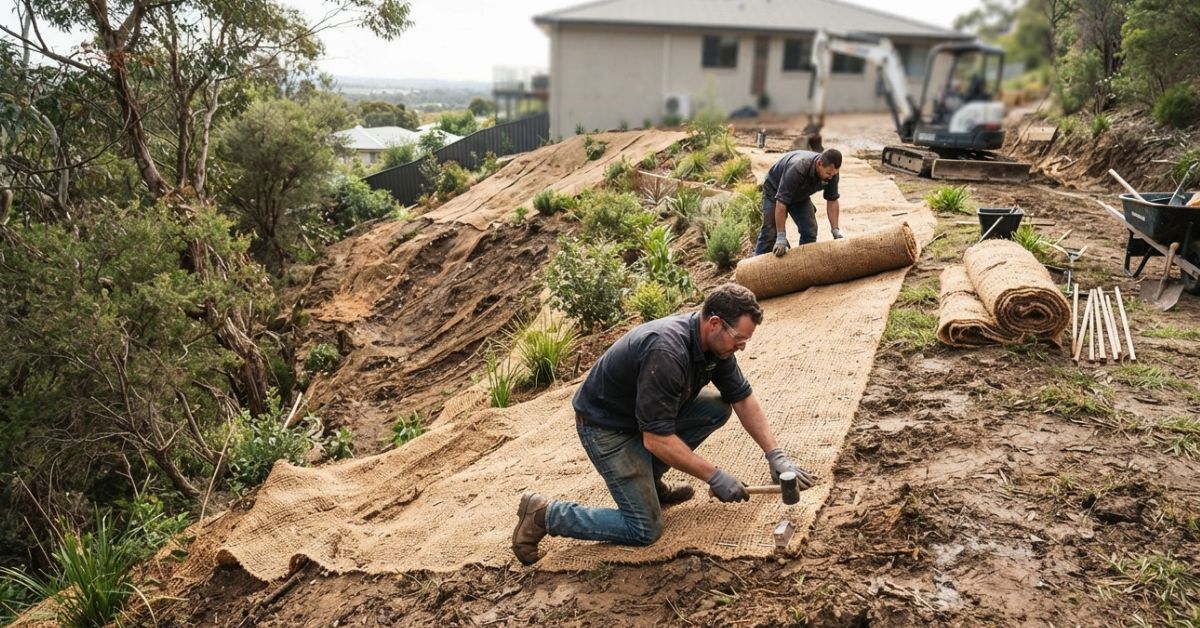
3. Inadequate Slope Protection
Sloped areas need special consideration since exposed soil becomes more prone to erosion. Not addressing the situation immediately may result in greater erosion problems as well as hazardous work sites for construction workers.
4. Damaged or Poorly Maintained BMPs
Inspection is key in protective systems during the course of the project. Damage to the barriers or drainage systems, or neglect of the erosion control BMPs, can result in ineffective protection, thus causing the sediment to leave the construction site.
How Small Problems Turn Into Major Project Delays?
Small problems will turn into big challenges when ignored. Damaged controls and poor-condition barriers might not pose much of a problem initially, but constant rain could make the situation worse.
For example, site fence failures often allow sediment to move beyond the project boundary, creating cleanup requirements and increasing the likelihood of inspection failures. These problems frequently lead to additional work, higher costs, and project delays that could have been prevented through regular monitoring.
Similarly, erosion control problems that recur may cause interruptions to the construction schedule when measures need to be undertaken before proceeding with the construction activities. Dealing with these issues at an early stage allows contractors to remain productive during construction.
Compliance Risks Every Contractor Should Understand
Construction projects have to adhere to environmental regulations at all stages of construction activities. Non-compliance can cause delays, additional expenditures, and inspection failures due to sediment leaving the construction site or erosion prevention systems failure. Erosion compliance construction practices help avoid such problems and ensure the smooth running of projects.
Proper documentation, inspection, and maintenance will aid in better compliance. The monitoring of erosion control BMPs will enable contractors to recognize any failing controls before they turn into a compliance problem.
Preventing Failures Before They Happen
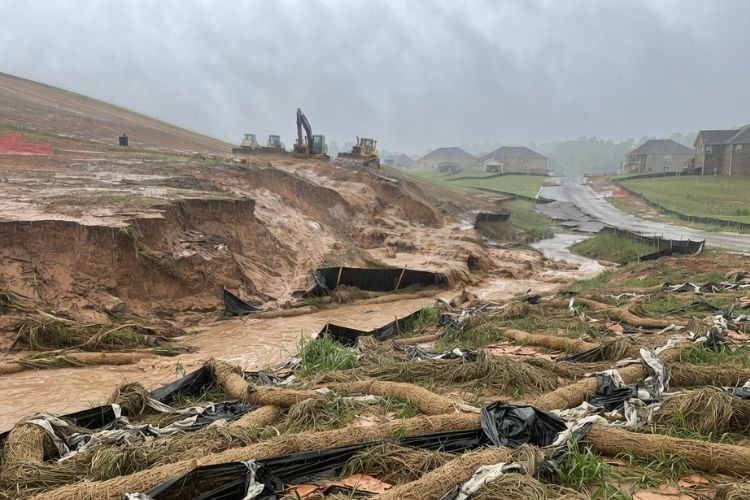
The prevention of erosion control failures involves proper planning and is carried out at all stages of construction. Site conditions change during the course of construction, which calls for regular inspections and maintenance in order to protect exposed soils.
Professional erosion control services can ensure that contractors have the proper solution to employ in line with site requirements, weather conditions, and other project requirements. Inspections will be able to uncover any problems relating to fence issues, broken drainage systems, and other complications.
Building an Erosion Control Strategy That Lasts
It is important to note that erosion control measures cannot be done once at the time of site preparation. There is a need for erosion control measures to be reviewed as site conditions change through excavation, grading, and construction processes.
Another advantage of working with erosion control contractors is enhanced performance of the projects in the long run due to practical approaches that can be applied in changing site conditions. The importance of maintenance and regular inspections should be emphasized to prevent the failure of erosion control measures.
Conclusion
Erosion control failures can be avoided through the installation of more than just temporary controls. Planning, inspection, maintenance, and consideration of changes in conditions at the construction site are all key components of this process.
By implementing erosion compliance construction, ensuring that the erosion control BMPs work effectively, and acting fast on site fence failures, the contractors can avoid unnecessary delays and continue their work without any problems.
At J. E. Shurden Construction, every project begins with careful planning and a commitment to quality site management. From grading and earthwork to erosion control solutions, the team focuses on delivering reliable construction services that support safe, efficient, and compliant project execution from start to finish.
Frequently Asked Questions
What causes erosion control failures on construction sites?
Some of the common causes are improper planning, damage to erosion control measure systems, poor drainage, delayed installation, and lack of routine inspections.
Why is site erosion control important?
Site erosion control plays an essential role in reducing soil erosion, protecting other sites, and providing environmental compliance.
What are erosion control BMPs?
Erosion control BMPs are best management practices used to minimize soil erosion and control sediment runoff during construction activities.
What are site fence failures?
Site fence failures occur when sediment barriers become damaged, improperly installed, or ineffective, allowing sediment to leave the construction site.