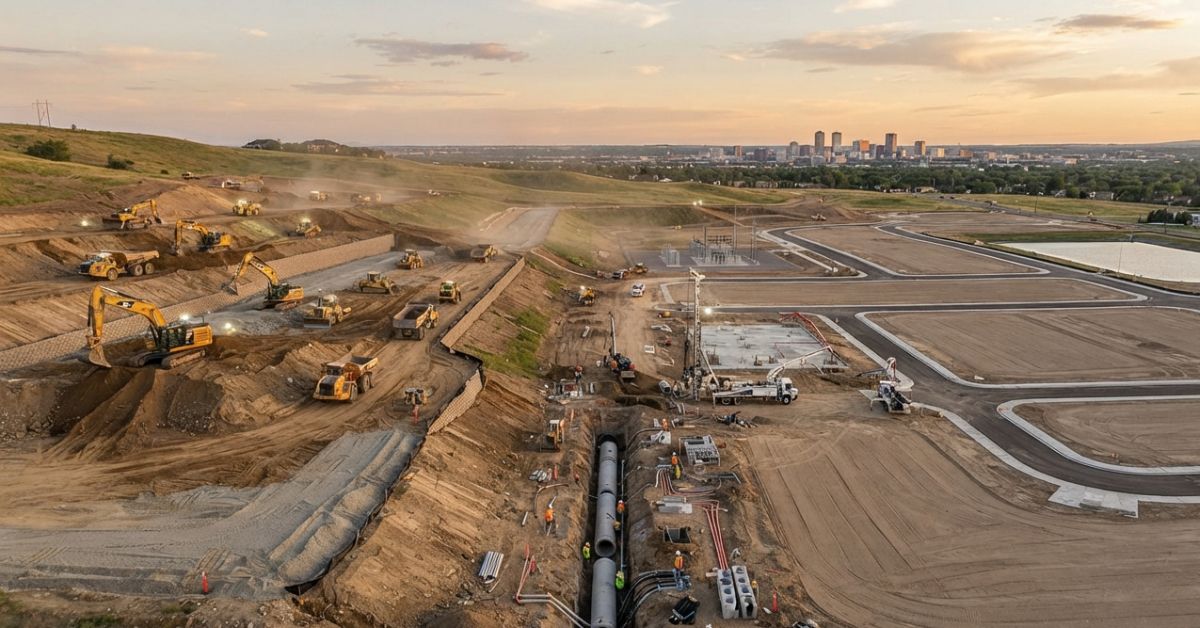
An area can look very different once new homes and businesses start moving in. Roads that once handled light traffic get busier, empty land turns into building sites, and older drainage or utility systems may have more work to do. Preparing for these changes early can make growth much easier to handle.
That preparation often starts with Civil Construction. Before buildings begin to fill the area, crews can shape the land, create road access, manage rainwater, and make room for utilities. Doing this work early gives future projects a better starting point and can prevent crews from having to go back and change finished areas later.
Build the Groundwork Before Buildings Go Up
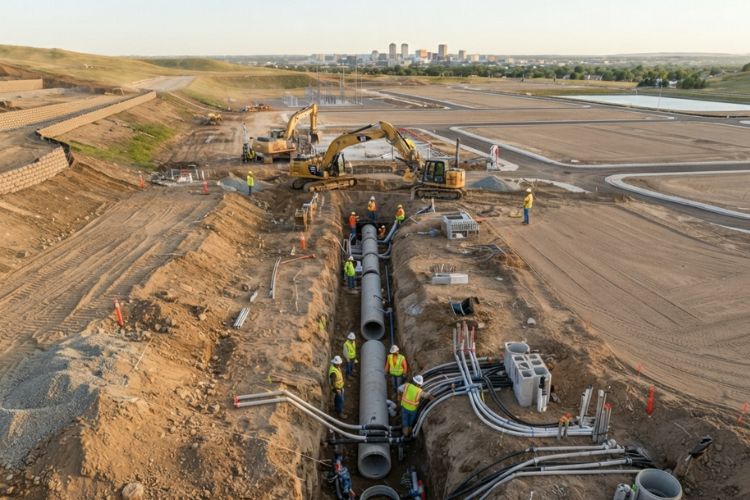
Before new homes or businesses can go up, the land needs to be ready for them. Construction crews need clear ways to reach the site, solid areas to build on, and space for water, sewer, and drainage lines. Putting this Civil Infrastructure in place early can prevent many problems once building work starts.
These parts also need to fit together. A new road can change where rainwater goes, and underground pipes may cross areas needed for other work. Civil Construction takes these details into account from the start, so crews are less likely to dig up finished areas or make costly changes later.
Prepare the Land for Its Next Use
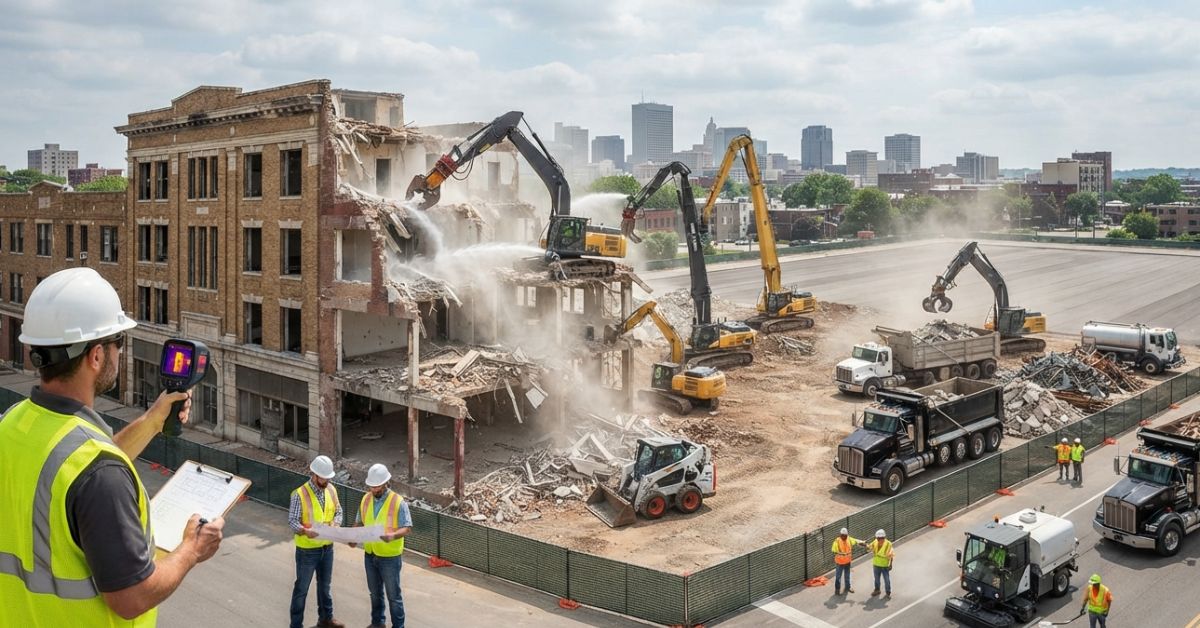
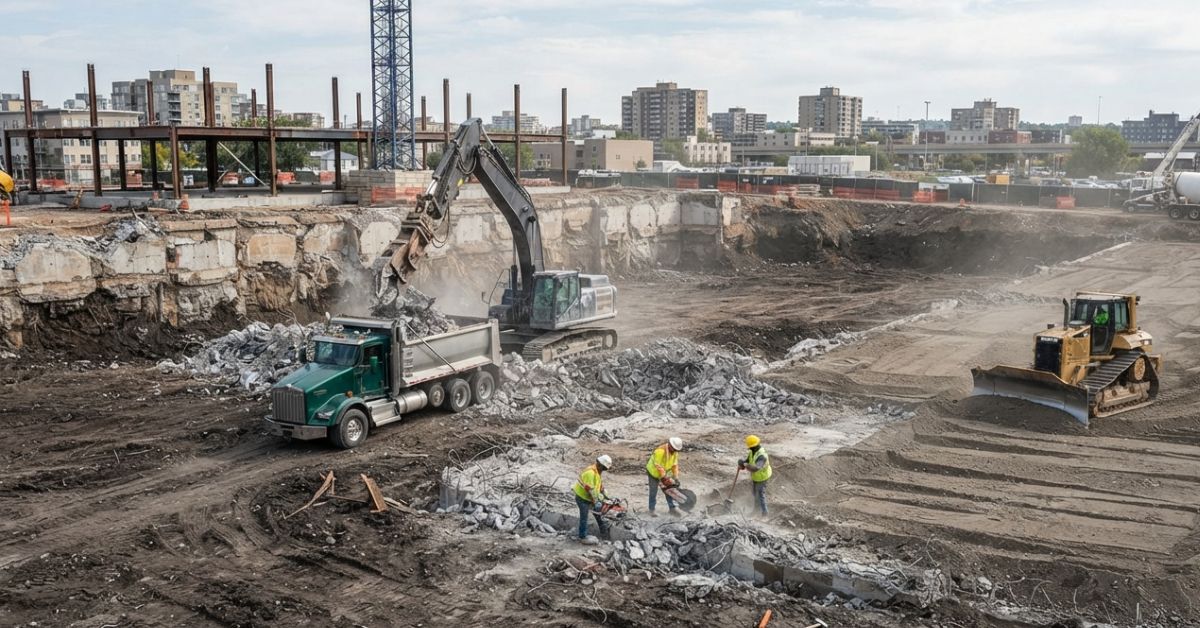
Raw land is rarely ready for construction as it stands. Brush may need clearing, high areas may need to be cut down, and low sections may need fill. Crews also have to work around soil conditions, slopes, existing structures, and natural water paths.
This stage of Land Development creates usable areas for roads, utilities, and future buildings. Companies providing Civil construction services Mississippi may handle excavation, grading, drainage, and related site work based on local conditions and project plans. Getting the ground into the right shape gives later crews a more dependable place to work.
Use Grading to Shape the Site
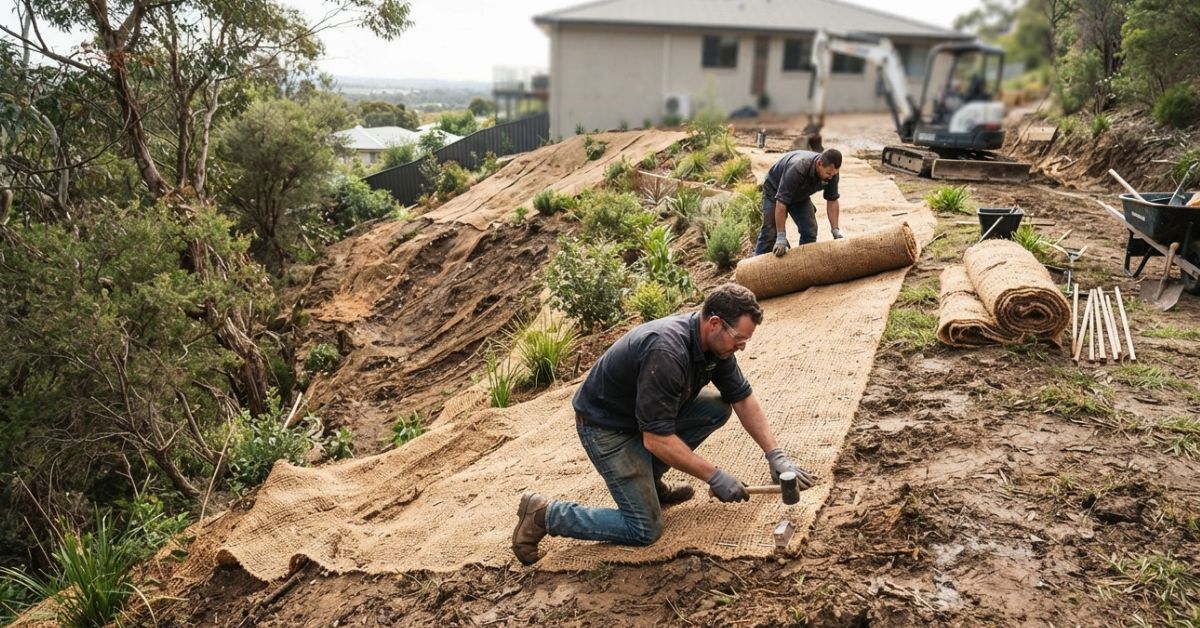
Grading helps get the land into the right shape before other work begins. It can smooth rough sections, adjust slopes, and keep rain from settling in places meant for roads or buildings. Without the right ground levels, water may collect in low spots or run toward areas that need to stay dry.
For Civil Construction Projects, grading is usually planned with roads, drainage, and future building areas in mind. Getting these levels right early gives rainwater a clearer way to move and leaves the site better prepared for the work that follows. It can also mean less digging and reshaping later.
Create Roads and Access for Future Growth
Getting people and equipment onto the property is one of the first needs on a growing site. Early on, the main traffic may be work trucks, machines, and delivery vehicles. As homes and businesses appear, those routes take on a new role and become part of everyday travel. Planning them with that change in mind can prevent access problems later.
Through Civil Construction, roads can be built while there is still plenty of open space to work with. Crews can shape the ground, prepare the road base, handle nearby water flow, and link the site with existing streets. This also gives future Construction Development room to spread without having to squeeze new access routes around completed buildings.
Plan Drainage Before More Surfaces Are Covered
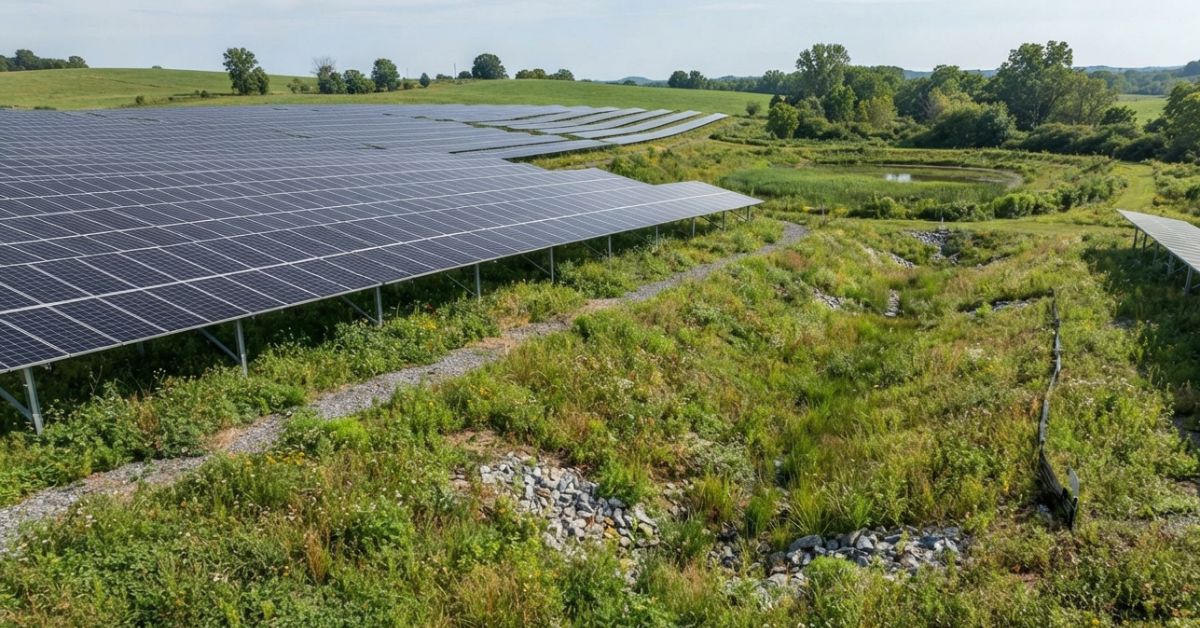
Rain behaves differently once open land starts filling with buildings and pavement. Water that used to sink into the soil may now run off rooftops, streets, and parking lots. If there is nowhere for it to go, wet spots can form, and nearby roads or lots may start dealing with more water than expected.
That is why drainage needs to be part of Civil Infrastructure from the beginning. Ditches, culverts, and storm drains can guide rain away from places where it may cause trouble. During Civil Construction, it also helps to think about what the area may look like years from now. A drainage system that works today should not become too small as more homes and businesses are added.
Leave Space for Utilities
Water, sewer, power, and communication lines all need routes through a growing area. Installing or planning these routes early can prevent finished roads and other surfaces from being opened again soon after construction.
This is where civil engineering construction becomes closely connected with future planning. Utility locations need to work with road layouts, drainage systems, building areas, and other underground features. Good coordination gives later connections a clear route and lowers the chance of one system getting in the way of another.
Make Future Building Work Easier
Building work tends to go more smoothly when the basic site needs are already handled. Crews can get to each lot without creating temporary routes, utility connections are easier to reach, and the ground may need less digging or reshaping before foundation work starts.
This early setup also gives Construction Development a clearer path as the area grows. New homes, shops, or other buildings can be added without solving the same road, drainage, and utility issues each time. It is especially helpful on larger sites where construction may continue in stages over several years.
Think Beyond What the Area Needs Today
A road that works for a small number of properties may become crowded as more land is developed. The same problem can happen with drainage and utilities. Planning only for immediate demand may leave an area needing major changes sooner than expected.
Strong Civil Construction looks at how the property could be used later. Plans may leave room for road extensions, additional utility connections, or later drainage work. Not every future feature needs to be built at once, but allowing space for it can make expansion less disruptive.
Reduce the Need to Redo Finished Work
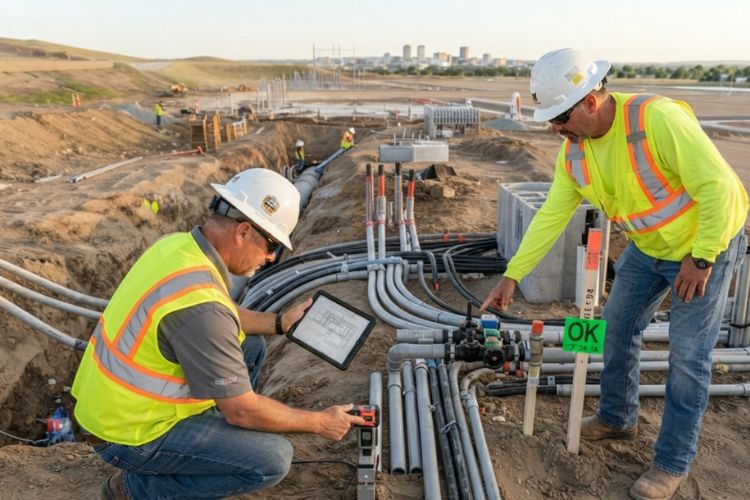
Poor timing can make development more difficult than necessary. A newly finished road may need to be cut open for a utility line, or a drainage route may need changes after new building pads alter the way water moves.
Planning Civil Construction Projects in the right order can reduce this kind of repeated work. During Land Development, teams can look at how roads, utilities, drainage, and future lots fit together before permanent surfaces are completed. That gives each stage a better chance of supporting what comes next.
Conclusion
Growing areas need more than new buildings. They need stable ground, useful roads, working drainage, and room for essential services. Putting these pieces in place early creates a base that future homes, businesses, and public spaces can build on.
Well-planned Civil Construction connects today’s site work with tomorrow’s needs. When access, water flow, utilities, and future expansion are considered together, an area is better prepared to grow without repeatedly changing work that has already been completed.
FAQs
What work is included in civil construction?
It can include clearing, excavation, grading, roads, drainage, utility preparation, and other work needed to make land ready for use.
Why is grading important for a growing area?
Grading shapes the ground for roads and building sites while also helping control where rainwater travels.
Why should drainage be planned early?
New roofs and paved areas can create more runoff. Early planning gives that water a route before development covers more of the land.
Can infrastructure be prepared for later expansion?
Yes. Plans can leave room for future roads, utility connections, drainage changes, and new phases of development.