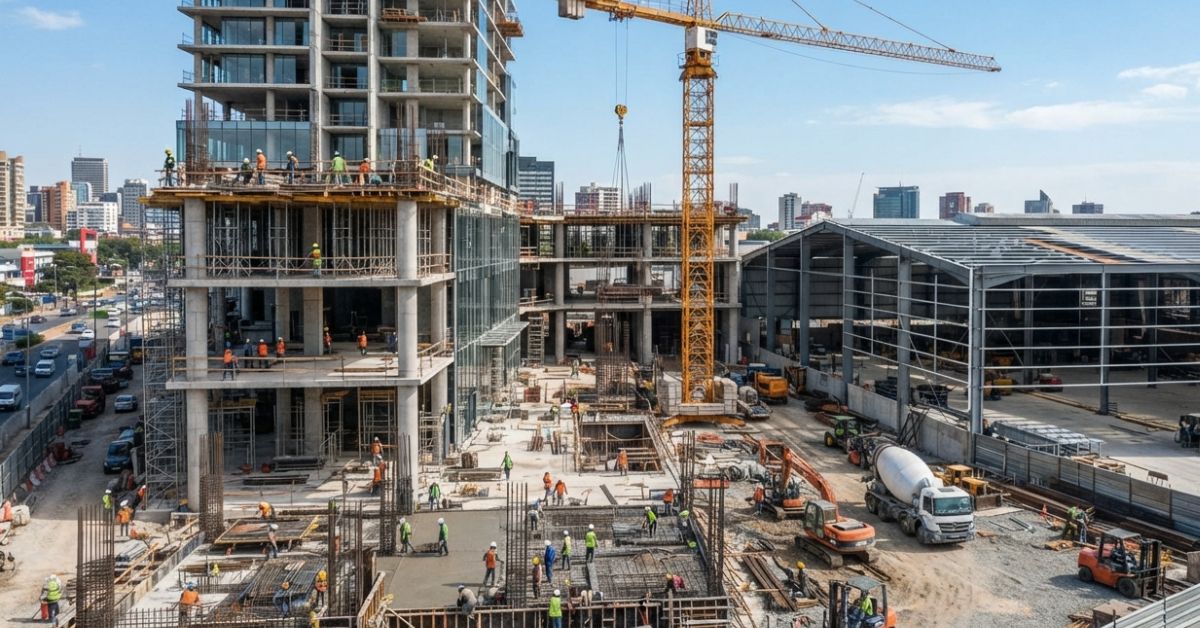
A successful development starts with the land. Before a building can rise, the property may need clearing, excavation, grading, drainage, utilities, roads, and other site improvements. These early steps create the conditions needed for the rest of the project.
Commercial and industrial properties can have very different demands. A retail site may need parking, pedestrian access, and carefully planned drainage, while an industrial facility may require heavy-duty roads, equipment areas, larger utility networks, and extensive earthwork. Current sitework contractors commonly group clearing, grading, utilities, drainage, and access improvements into one coordinated scope because each phase affects the next.
What the Site Needs Before Construction?
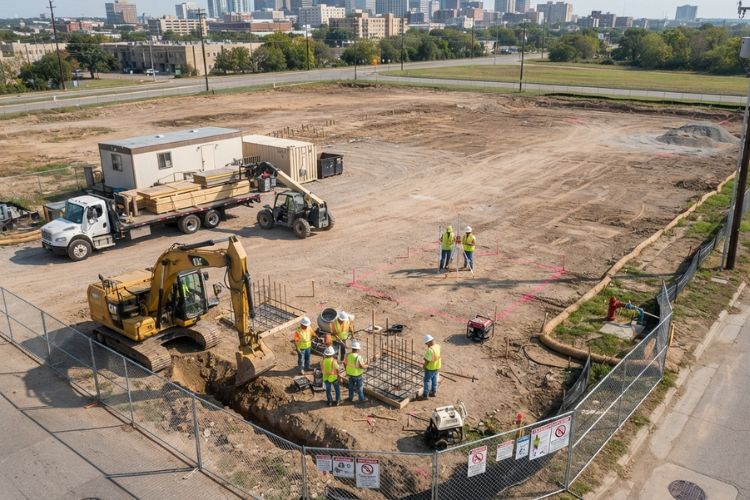
A development may begin with raw land, an existing property, or a site that needs substantial preparation. The first steps depend on what is already there and what the finished project requires.
Clearing and Earthwork
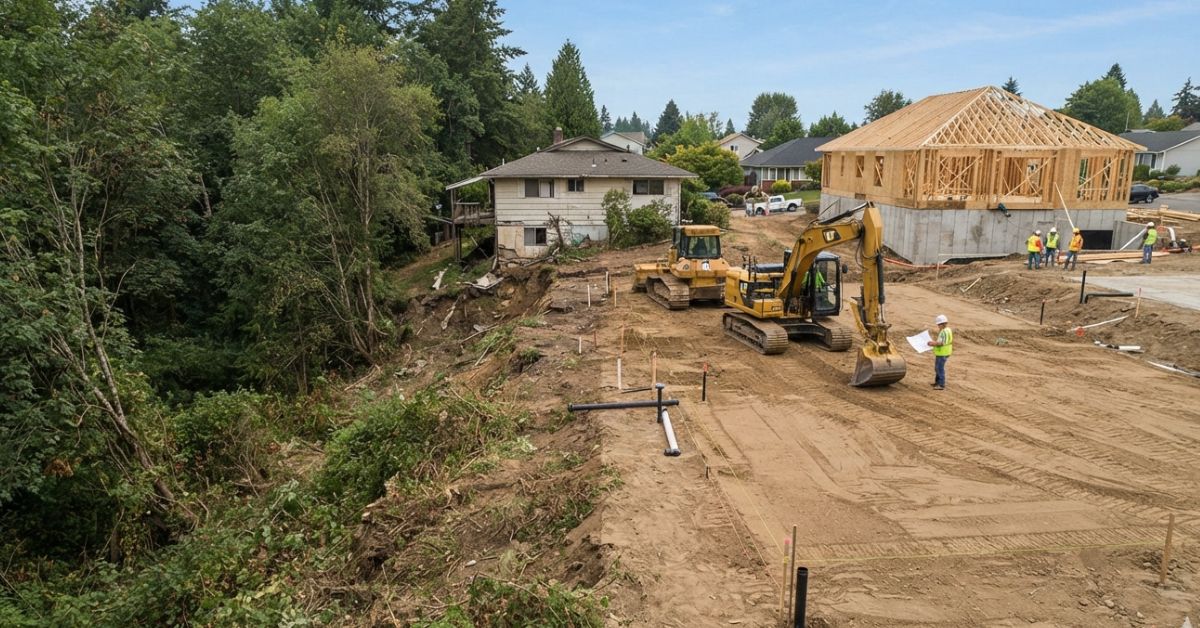
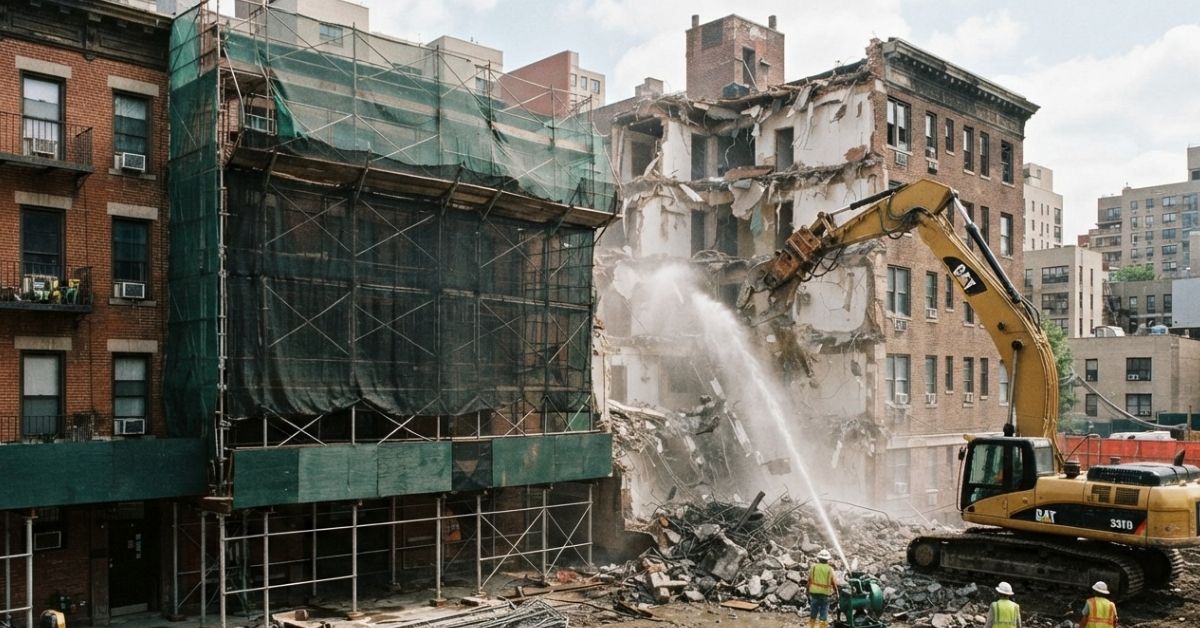
Before construction can move forward, the site may need to be cleared of vegetation, debris, old structures, or soil that is not suitable for the project. Once the area is ready, crews can begin excavation and move soil to create the elevations shown in the plans.
The ground also needs to be properly compacted. This creates a more stable base for building pads, roads, and paved areas. On a large property, getting the earthwork right can make the rest of the project much easier to manage.
Grading and Building Pad Preparation
Grading establishes the elevations and slopes shown in the project plans. It also influences where stormwater will travel once the site is complete.
Building pads need to reach the required elevation and have suitable subgrade conditions before foundations or slabs are constructed. Accurate grading can also reduce the chance of standing water around buildings, parking areas, and access routes.
Underground Utilities and Infrastructure
A modern development may need water, sewer, stormwater, electrical, gas, and communication lines running throughout the property. Getting these systems in place takes careful planning, not just trenching and installing pipes.
Before digging begins, utility routes should be checked against the site plan and any existing lines. A conflict underground can slow the project down, require extra excavation, or force completed work to be changed.
Experienced civil construction services can handle trenching, utility installation, backfilling, and compaction while keeping the work aligned with the overall construction schedule. Getting the timing right also helps prevent later foundation or paving work from disturbing newly installed utilities.
Stormwater Drainage Across the Property
Heavy rain can quickly show where a site’s drainage plan needs improvement. Grading, elevations, and drainage features should work together to move water away from buildings, paved areas, and other parts of the property that could be affected by runoff.
Permanent Drainage Systems
The right drainage setup depends on the property’s layout and water flow. It may include storm sewers, culverts, channels, inlets, detention areas, or other structures. These features need to be positioned to work with the site’s finished grades rather than added after the main earthwork is complete.
Temporary Runoff Control
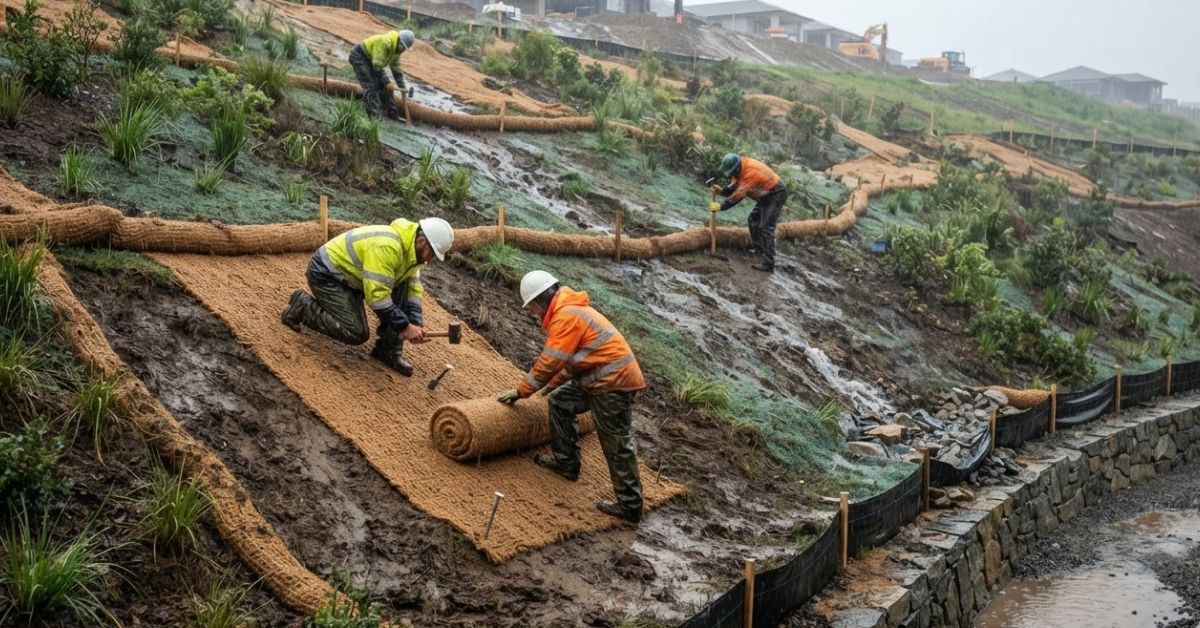
Construction sites face a different challenge because exposed soil can wash away during storms. Temporary measures can slow runoff, keep sediment within the work area, and help protect nearby properties and waterways until the permanent drainage system is ready.
Roads, Parking, and Heavy-Use Areas
Once the main site work is underway, the property also needs spaces that can handle everyday traffic. Parking areas, driveways, sidewalks, loading spaces, and internal roads should be built on ground that has been properly prepared and leveled.
The demands are usually higher on industrial sites. Trucks and heavy equipment may use the same routes throughout the day, putting more pressure on the pavement and the ground underneath it. Taking care of the subgrade and compaction before the surface is installed can help the finished areas hold up better over time.
Industrial Sites and Their Unique Demands
Industrial projects often have more going on than a standard building site. Large warehouses, manufacturing facilities, distribution centers, and processing plants may need room for heavy equipment, oversized vehicles, utility lines, and specialized work areas.
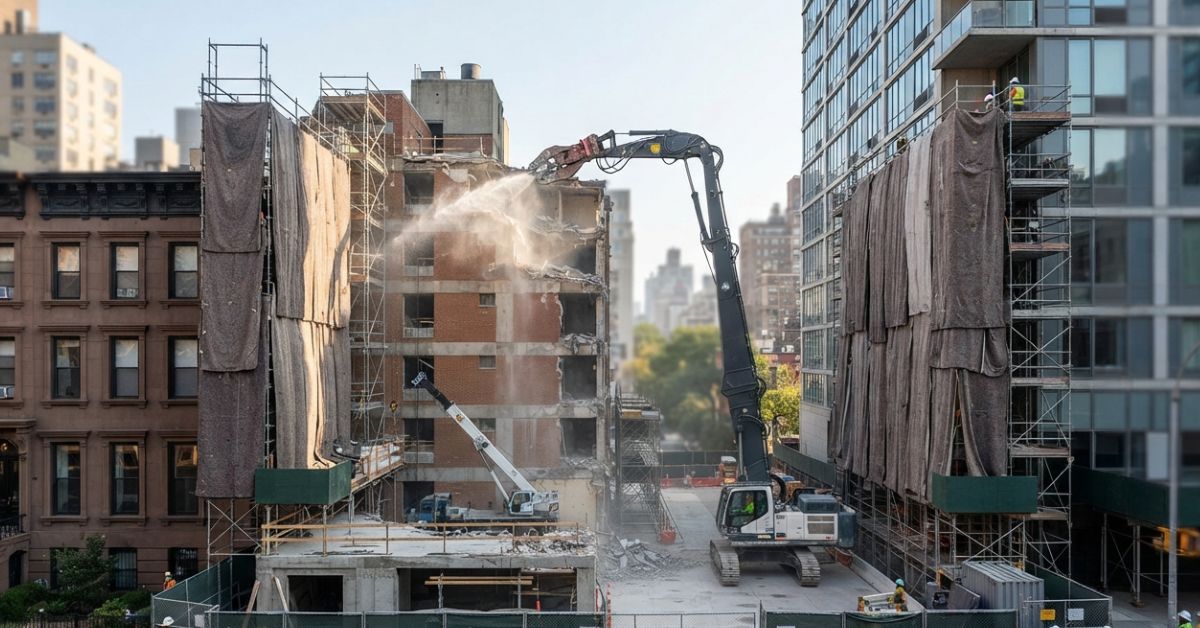
The site also has to function during construction when an existing facility is still operating. Employees, deliveries, service vehicles, and emergency access may need to continue without interruption. That means the work has to be organized around the facility’s daily activities.
Planning the work carefully helps crews know which areas are ready, where machinery can move, and when access needs to be restricted. Staying in touch with the facility team also helps keep deliveries, employees, and other essential activities moving while construction is underway.
Commercial Development and Site Access
A commercial property needs to be easy to use from the moment it opens. Retail centers, offices, mixed-use spaces, and other business sites need convenient parking, clear driveways, safe pedestrian paths, proper drainage, and reliable utility connections.
Access also matters while the work is still underway. Crews may need to keep nearby businesses, public roads, deliveries, and emergency routes accessible during construction.
Planning for these needs from the start helps create a commercial development that works well during construction and continues to function smoothly once the project is complete.
Soil Conditions That Can Affect Construction
Ground conditions can vary widely from one property to another. Wet areas, weak soil, poor compaction, unsuitable material, or uneven terrain can make excavation and grading more challenging.
Depending on what the site requires, crews may need additional fill, soil stabilization, moisture control, or other improvements before construction continues. The right approach should be based on the condition of the ground and the needs of the project.
Finding these issues early can help avoid complications with foundations, pavement, drainage, and other site features later. A thorough site assessment is therefore an important part of planning practical civil construction solutions.
Coordinating Civil Work With the Building Schedule
Civil work has to fit around the rest of the construction process. Clearing, grading, utility installation, drainage, foundations, and paving all need to happen at the right time so one stage does not get in the way of another.
When the schedule is poorly coordinated, crews may have to redo completed work or wait for another team to finish. Planning the sequence ahead of time gives everyone a clearer idea of what needs to happen before the next phase can begin.
Plans can also change once work starts. Soil may be different than expected, or crews may uncover a utility or drainage issue during excavation. Staying in close contact with developers, engineers, contractors, and other trades makes it easier to deal with these surprises before they turn into bigger delays.
Planning for Long-Term Site Performance
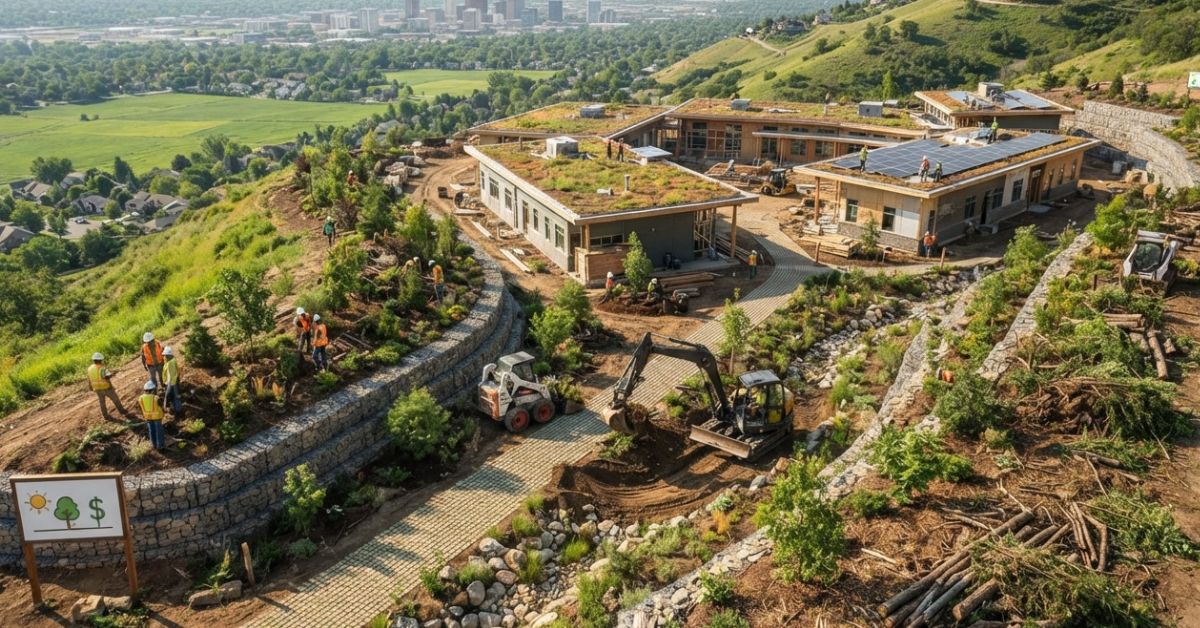
Good site work should account for how the property will be used after construction is finished. A commercial property may need easy parking and smooth traffic flow, while an industrial facility may need stronger access areas, space for equipment, and room to grow later.
This means site preparation should not focus only on getting the property ready for the building. Grading, drainage, pavement, utilities, and access should all reflect how the site will operate once construction is complete.
For developers looking for civil construction solutions in Mississippi, local knowledge can also be valuable when planning around regional soil, rainfall, drainage, and site conditions.
Bringing the Entire Site Together
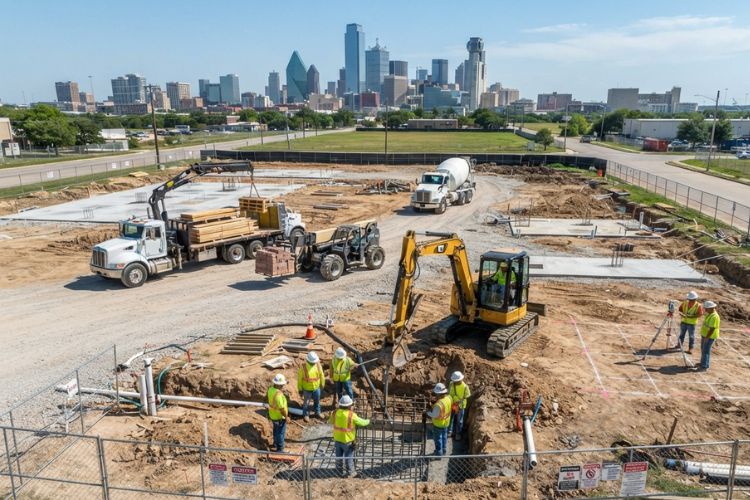
The strongest approach treats the property as one connected system. Clearing affects grading, grading affects drainage, utilities affect excavation, and subgrade preparation affects roads and paving.
Using coordinated civil construction services can reduce unnecessary handoffs and help keep the different stages moving in the right order. Current competitors similarly emphasize full-scope site preparation, earthwork, utilities, drainage, and infrastructure as connected parts of development.
Whether the project involves commercial construction or industrial construction, the work should be planned around the site’s actual conditions and future use.
Conclusion
Strong developments begin with well-prepared sites. Excavation, grading, drainage, utilities, access roads, and paved areas all contribute to creating a property that is ready for construction and capable of supporting its intended purpose.
The right civil construction solutions depend on the project’s size, location, soil conditions, drainage needs, and operational requirements. With careful planning and coordinated execution, commercial and industrial developers can create a more reliable foundation for the work that follows.
FAQs
What do civil construction solutions include?
They can include clearing, excavation, grading, utilities, drainage, roads, paving, and site preparation.
What is included in commercial construction sitework?
It may include building pads, parking areas, access roads, utilities, drainage, and other site infrastructure.
How does industrial construction differ?
Industrial construction often requires heavier-use surfaces, larger utility systems, equipment areas, and extensive site preparation.
Why is grading important?
Grading establishes site elevations and helps direct stormwater away from buildings, roads, and other areas.
When should site work be planned?
It should be considered early so grading, utilities, drainage, access, and the overall construction schedule can be coordinated.