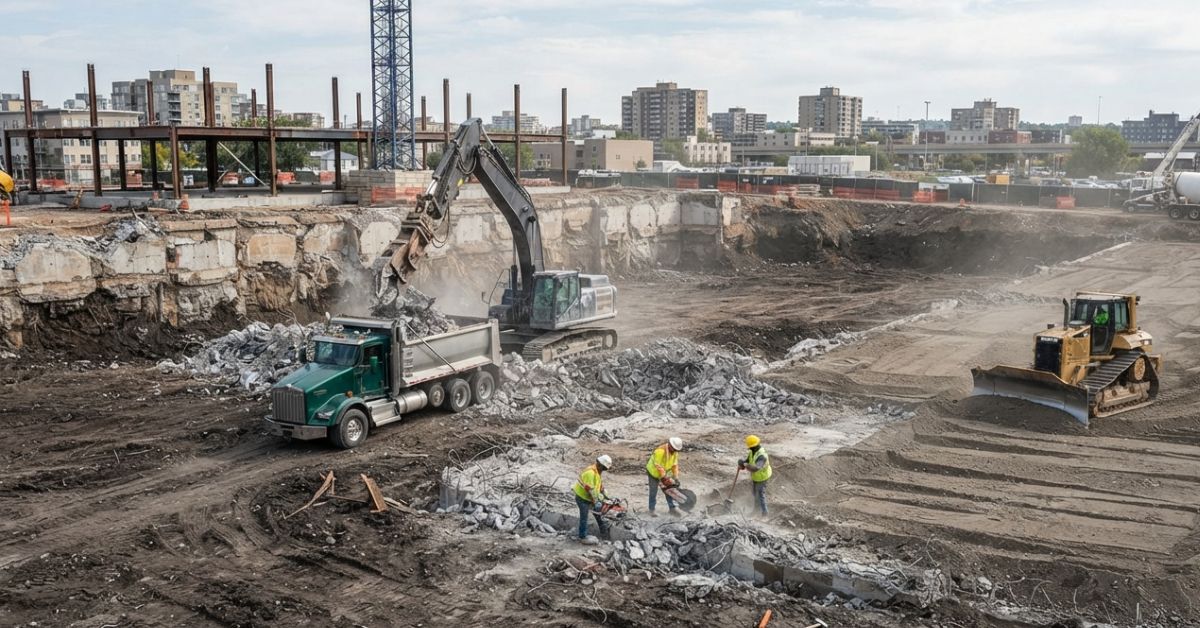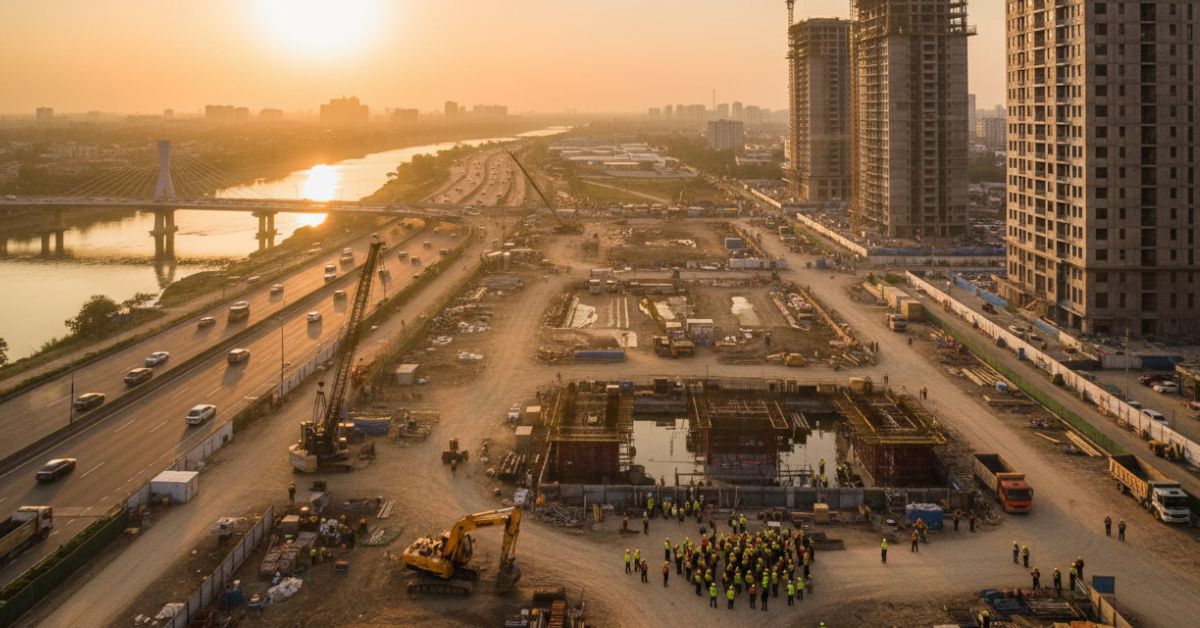
Roads, bridges, water systems, and public facilities do more than improve daily life. They create opportunities for businesses, connect communities,s and promote sustainable development. That is why civil construction plays an important role in the development of many nations.
In developing countries, construction activity often serves as a foundation for broader economic growth. Civil construction is essential in creating the conditions needed for more robust and more stable economies, from creating jobs to improving access to vital services. In this article, let us examine the various ways in which construction projects contribute to development and why infrastructure investment continues to be a priority for developing nations.
Creating Jobs and Supporting Local Income
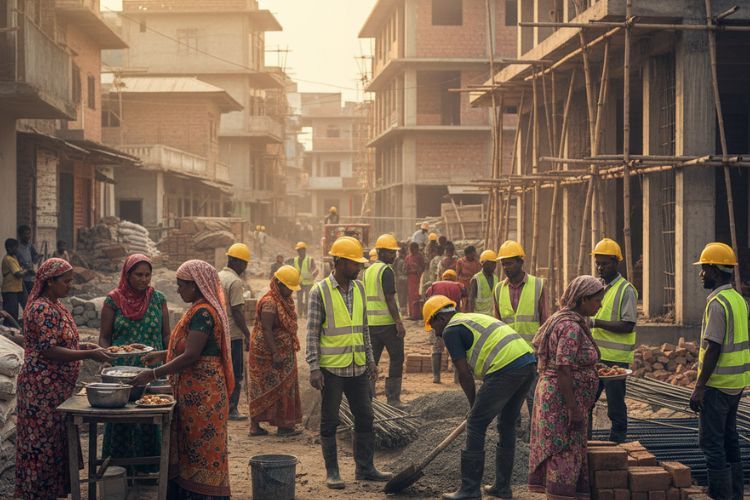
One of the most apparent benefits of civil construction is employment. Big projects require engineers, equipment operators, laborers, project managers, and many other skilled workers. Construction activity, therefore, re provides direct job opportunities for the people of the local communities.
The impact is not limited to the construction site. Suppliers, transportation companies, equipment providers, and local businesses often benefit from construction projects. This offers additional income opportunities and supports the wider construction industry.
In many developing countries, infrastructure development can provide stable employment while helping workers gain valuable skills that support future career growth.
Building the Infrastructure Business Depends On
Businesses depend on solid infrastructure to operate efficiently. Poor road conditions, lack of access to utilities, and outdated transportation networks can make it difficult for companies to grow and serve customers.
Civil construction contributes to overcoming these challenges by improving the systems that support economic activity. Roads connect the manufacturers to markets; utilities provide the resources needed to operate the business. Such improvements are a prerequisite for the expansion of many industries.
One reason governments continue to invest in public infrastructure is that Better infrastructure means lower transportation costs, greater efficiency, and a better environment for business development.
Organizations seeking Civil construction services often focus on projects that strengthen transportation networks, utility systems, and community infrastructure that support economic development.
Opening New Opportunities for Trade and Commerce
When people and goods can move more easily, trade becomes easier. Transportation infrastructure is vital in linking producers, businesses, and consumers.
Better roads, highways, ports, and transportation corridors cut travel times and shipping costs. This enables businesses to access a larger market and work more efficiently.
What happens when farmers can get products to market quicker, or manufacturers can get goods to market more dependably? Often, economic activity rises because companies are able to meet more clients and reduce operational difficulties.
Civil construction supports these improvements by developing the infrastructure needed for commerce to thrive. In many cases, these investments contribute directly to economic growth by encouraging business expansion and increasing market access.
Bringing Essential Services to More Communities
Infrastructure development is not limited to transportation. Many construction projects focus on improving access to services that support health, education, and quality of life.
1. Access to Water and Utility Networks
Reliable water systems are essential for both households and businesses. Civil construction helps expand water distribution networks and utility services that support growing populations.
Improved utility access can also encourage investment in areas that previously lacked the infrastructure needed for development.
2. Better Public Facilities
Schools, healthcare facilities, community centers, and government buildings all depend on construction and infrastructure investment. Expanding these resources improves access to services and supports long-term social and economic progress.
Public infrastructure projects often create benefits that extend well beyond the construction phase by improving daily life for residents and supporting community development.
Encouraging Private and Public Investment

Investors tend to look for places with reliable infrastructure and good development plans. Transportation networks, utility services,s and modern facilities reduce risk and provide opportunities for growth.
When governments invest in civil construction, they often encourage private firms to invest more as well. Companies are more likely to locate their operations in places with reliable infrastructure and access to key services.
This creates a cycle where better infrastructure attracts investment, investment generates jobs, and economic activity continues to grow. The best economic growth usually results when public and private investment go hand in hand to support development goals.
For this reason, many developing countries view infrastructure spending as a long-term strategy for attracting capital and supporting business growth.
Lasting Economic Impact After Project Completion
The benefits of infrastructure projects continue long after construction crews leave the site. Roads continue supporting transportation, utility systems continue serving communities, and public facilities continue providing essential services.
Well-planned construction projects can also increase property values and encourage further development in adjoining areas. Companies tend to locate where the infrastructure is already in place, not only to reduce operating difficulties but also to increase efficiency.
Over the long term, these improvements help strengthen local economies and support broader economic growth. In civil construction, the long-term value of a project is often determined not just by what is built, but by the opportunities that are created afterward.
Many organizations involved with infrastructure development also look into civil construction solutions in Mississippi and other areas where dependable infrastructure is key to maintaining economic activity and community growth.
Conclusion
Economic development is more than just financial investment. Communities also require roads, utilities, transportation networks, and public facilities to support daily life and business activity.
Civil construction helps create that base. Construction projects create jobs, improve public infrastructure, support trade, and attract investment. All of this leads to stronger economies and better opportunities for future growth.
For developing countries, one of the most effective ways of supporting long-term progress is to invest in infrastructure. The impact goes far beyond the construction site, helping communities, businesses, and entire economies to move forward.
FAQ
Why is civil construction important to economic growth?
Civil construction is a key driver of economic growth, as it generates jobs, improves infrastructure, attracts investment, and helps businesses operate more efficiently.
How does the construction sector generate jobs?
The construction industry generates direct and indirect jobs. The project needs workers on the sites. The supplier, the transportation companies, and local businesses also get more business.
What types of public infrastructure are conducive to economic development?
Infrastructure includes roads, bridges, utility systems, schools, healthcare facilities, transportation networks, and more, all of which help grow the economy by increasing access and efficiency.
Why are developing countries spending so much on infrastructure?
Developing countries frequently put money into infrastructure because it encourages the growth of business, enhances public services, draws investment, and provides opportunities for sustainable development.
What is the benefit to local communities from construction projects?
Construction projects can create jobs, improve access to essential services, improve transportation, and stimulate economic activity in local communities.