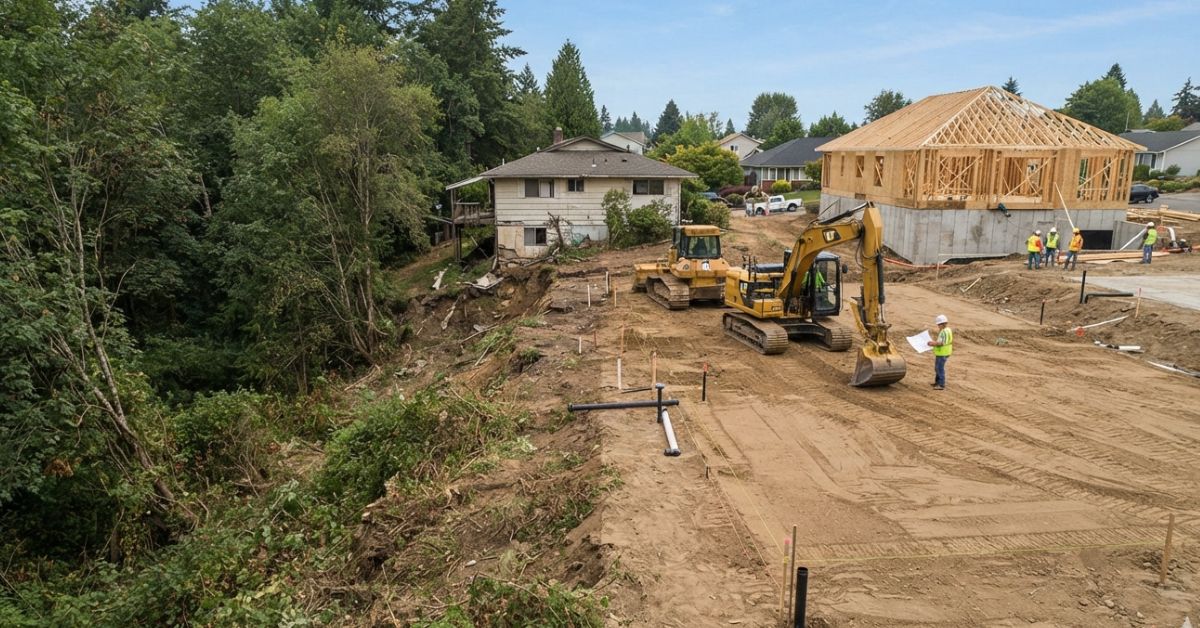
It doesn’t take long for a poorly prepared site to cause trouble. A stump left below the surface, a low spot that holds water, or soil that was never packed properly can slow down the job and create bigger problems once building starts.
That’s why land clearing and grading need to be handled before crews move into the main stages of construction. Clearing gets trees, roots, brush, rocks, and debris out of the work area, while grading gets the ground to the right shape and slope. Proper ground preparation also gives crews better access and gets the site ready for foundations, utilities, driveways, and drainage.
What Land Clearing and Grading Involve
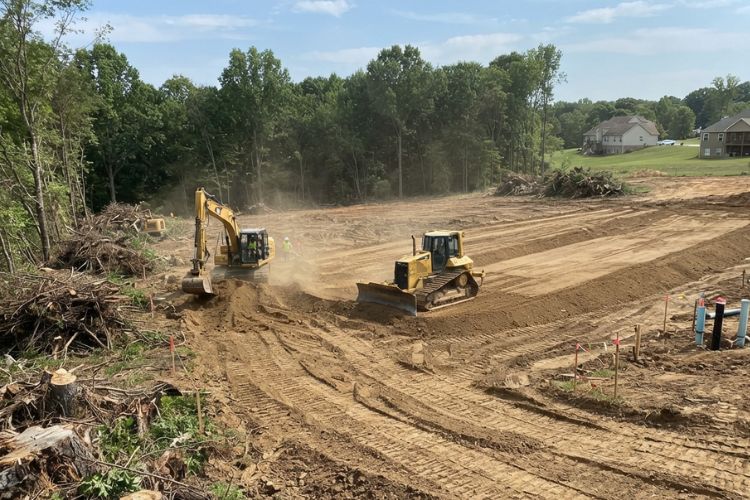
Clearing and grading serve different purposes, but both are important when turning undeveloped property into a workable construction site.
Land Clearing
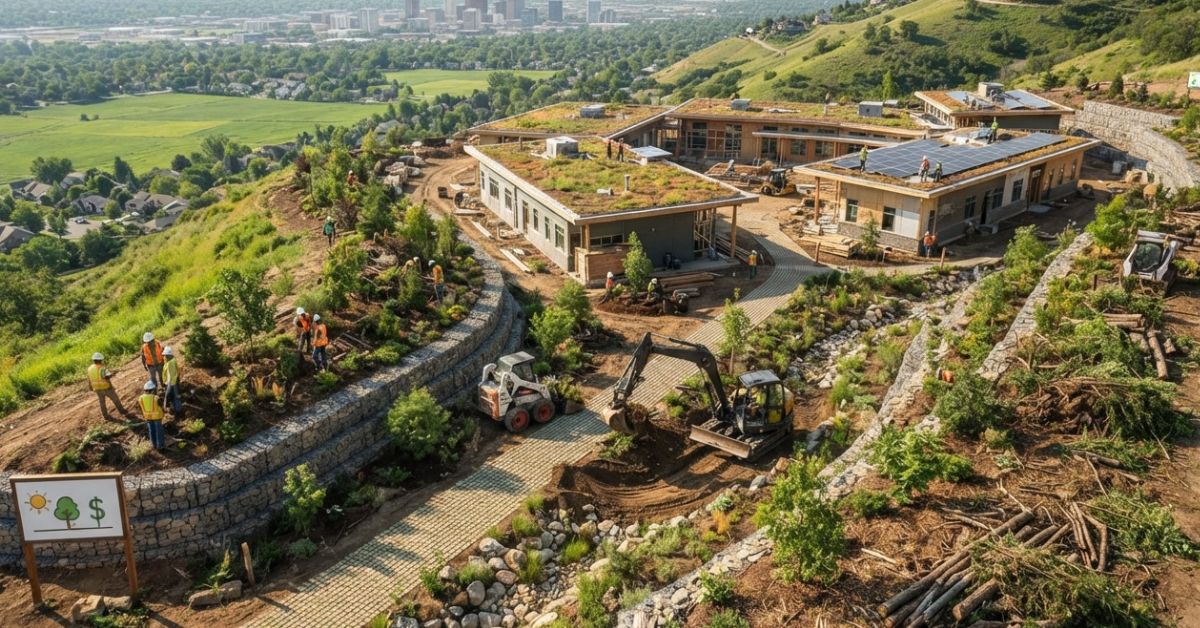
Land clearing removes trees, brush, stumps, roots, rocks, and debris from areas needed for construction. The entire property does not always need to be cleared. Work can focus on the building footprint, access routes, utility areas, and other planned improvements.
Proper construction site clearing gives equipment and crews enough room to work without unnecessary obstacles.
Land Grading
After clearing, the land is shaped to meet the elevations and slopes required by the site plan. Construction grading can involve cutting high areas, filling low spots, and creating slopes that direct runoff where it needs to go.
The goal is not simply to make the property flat. The finished grade must support the building plan while allowing water to drain properly.
How Clearing and Grading Work Together
Clearing opens the property for construction, while grading prepares the ground that construction will depend on. Grading over roots, stumps, or organic material can leave unsuitable material beneath structural areas.
For property owners considering land clearing and grading Mississippi, planning both stages together can make the transition from an undeveloped property to an active construction site much smoother.
Why Proper Site Preparation Matters Before Construction
Good construction land preparation affects much more than the appearance of a property. It influences foundation conditions, drainage, access, and how easily later crews can complete their work.
Creates Stable Ground for the Foundation
Foundations need suitable soil beneath them. Buried roots, organic material, and loose fill can break down or settle over time.
Proper land clearing removes many of these obstacles before the building pad is prepared. Depending on soil conditions, additional excavation, fill, and compaction may also be needed to create stable working conditions.
Establishes Proper Drainage
Water can become a major problem when a site is graded incorrectly. Low areas may collect rainwater, while the wrong slope can send runoff toward the structure.
Construction grading establishes elevations that help direct water away from buildings and toward planned drainage areas. Handling drainage early is usually much easier than correcting it after concrete, driveways, or landscaping are installed.
Helps Control Erosion
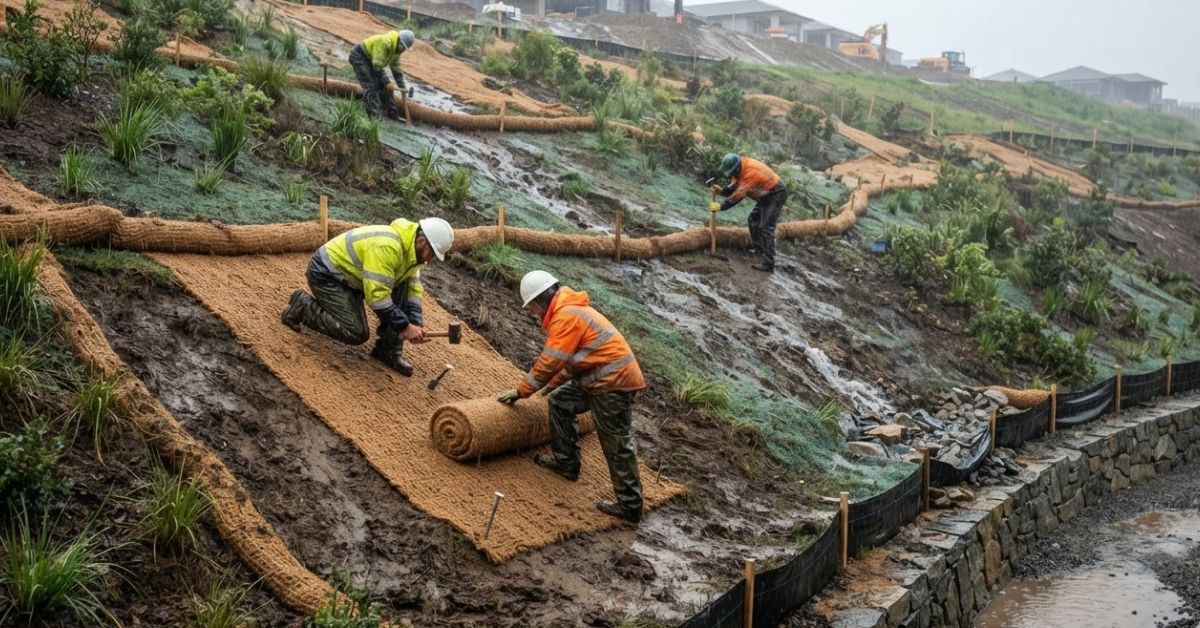
Removing vegetation exposes soil to rain and runoff. Without proper slopes and erosion-control measures, soil may wash away or collect in drainage areas.
Thoughtful ground preparation helps manage water movement and reduces unnecessary soil loss, especially on sloped properties.
Provides Better Construction Access
Excavators, dump trucks, concrete trucks, and utility crews need clear routes around a job site. Construction site clearing removes trees, brush, stumps, and debris from these work areas.
Better access allows crews to move equipment and materials without constantly working around obstacles.
Prepares the Site for Utilities
Water, sewer, septic, electrical lines, driveways, and drainage systems all need space within the property. Planning these improvements during construction land preparation can reduce conflicts once utility and foundation work begins.
Problems Caused by Poor Clearing and Grading
Rushing early site work can create issues that become more difficult to correct later.
Foundation and Settlement Issues
Roots, organic material, and poorly compacted fill can create unstable areas beneath construction. As these materials settle or decompose, the soil above them may move. Thorough land clearing helps remove unsuitable material before structural work begins.
Drainage and Erosion Problems
Poor grading often shows up after heavy rain. Water may collect around the foundation, sit in low spots, or run down a slope and wash soil with it. Once concrete, driveways, or landscaping are in place, fixing the grade becomes a much bigger job. Setting the slope and drainage correctly early on saves that trouble later.
Delays and Added Costs
A stump in the wrong place, soft soil, or a grade that is off can hold up the crews coming in next. That may mean more digging, extra fill, or bringing equipment back to redo the work. Good construction land preparation helps catch these issues early, when they are usually easier and less expensive to deal with.
How a Construction Site Is Cleared and Graded
The process varies with the property, but most projects follow several basic stages.
Site Evaluation and Planning
Before work begins, contractors review property boundaries, terrain, drainage, access, utilities, and planned building areas. This helps determine how much land clearing is required and which areas should remain undisturbed.
Clearing Trees, Stumps, and Debris
Vegetation and obstacles are removed from designated work areas. Stumps and large roots are also taken out where they could interfere with foundations, utilities, roads, or drainage.
Removing Unsuitable Material
Organic surface material may need to be stripped from structural areas. Suitable soil conditions are important before fill or foundation work begins.
Cutting, Filling, and Shaping the Site
Not every part of a site starts at the right height. Soil may need to be taken from higher spots and added where the ground sits too low. Proper excavation and grading get the site closer to the elevations needed for the building pad, drainage, utilities, and access.
Compaction and Final Grading
Added soil needs to be packed down properly rather than simply spread over the site. Once that is done, the ground can be shaped to its final grade. Careful ground preparation gives the next crew a firm, usable site to work from.
What Affects the Amount of Clearing and Grading Needed?
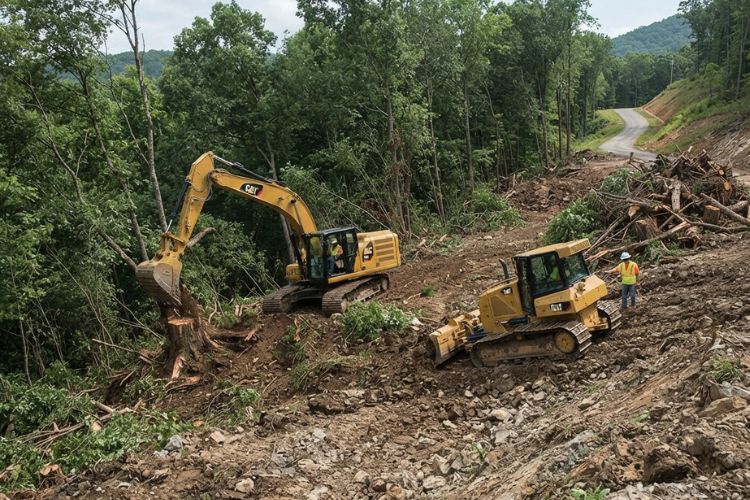
Every construction site has different requirements. The amount of work can depend on property size, tree and brush density, slope, soil conditions, rocks, existing debris, drainage needs, required elevations, equipment access, and local regulations.
A relatively level open lot may require limited work, while a wooded or steep property may need considerably more preparation.
Why Professional Land Clearing and Grading Matter?
Professional land clearing is about more than removing vegetation quickly. Contractors need to understand what should be removed, what can remain, and how their work will affect the next stage of construction.
Experienced grading crews also work from required elevations and drainage plans instead of simply smoothing the surface. Proper equipment and planning can make it easier for foundation, utility, concrete, and driveway crews to begin their work without correcting earlier site problems.
Conclusion
Clearing and grading set the conditions for everything that follows. A properly prepared property gives crews better access, helps manage drainage, removes obstacles, and creates solid ground for foundations and utilities.
Getting this work right from the start can save a lot of trouble once construction is underway. J.E. Shurden Construction handles land clearing, grading, and site preparation, helping get the ground ready so the next stage of construction can move forward without unnecessary setbacks.
FAQs
What is the difference between clearing and grading?
Clearing removes whatever is in the way of the job, including trees, brush, stumps, and debris. Grading deals with the ground itself, getting the slope and elevation right before building starts.
Should the land be cleared before grading?
Yes. Stumps, roots, and heavy vegetation need to be out of the way before the ground can be worked properly.
How long does the work usually take?
A clear, level lot takes less time than wooded or rough ground. Rain, soil conditions, and equipment access also affect the schedule.
Does every site need grading?
Not always. Some lots need only a small amount of work, while others need major changes before they are ready to build on.
Will I need a permit?
That comes down to local rules and the amount of work being done on the property.