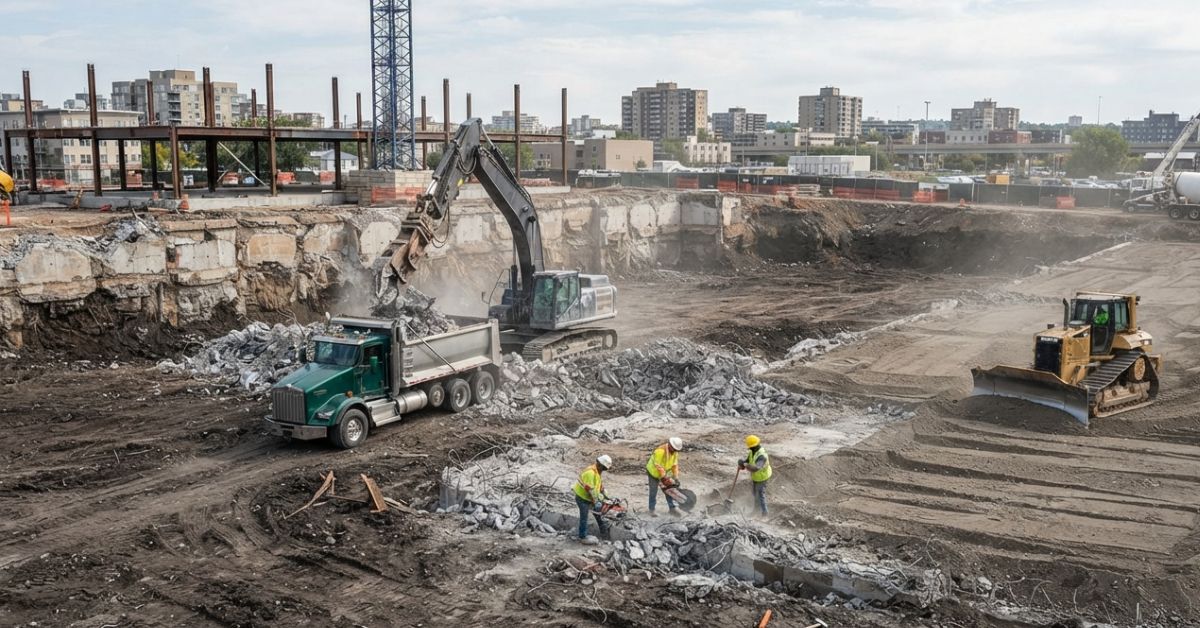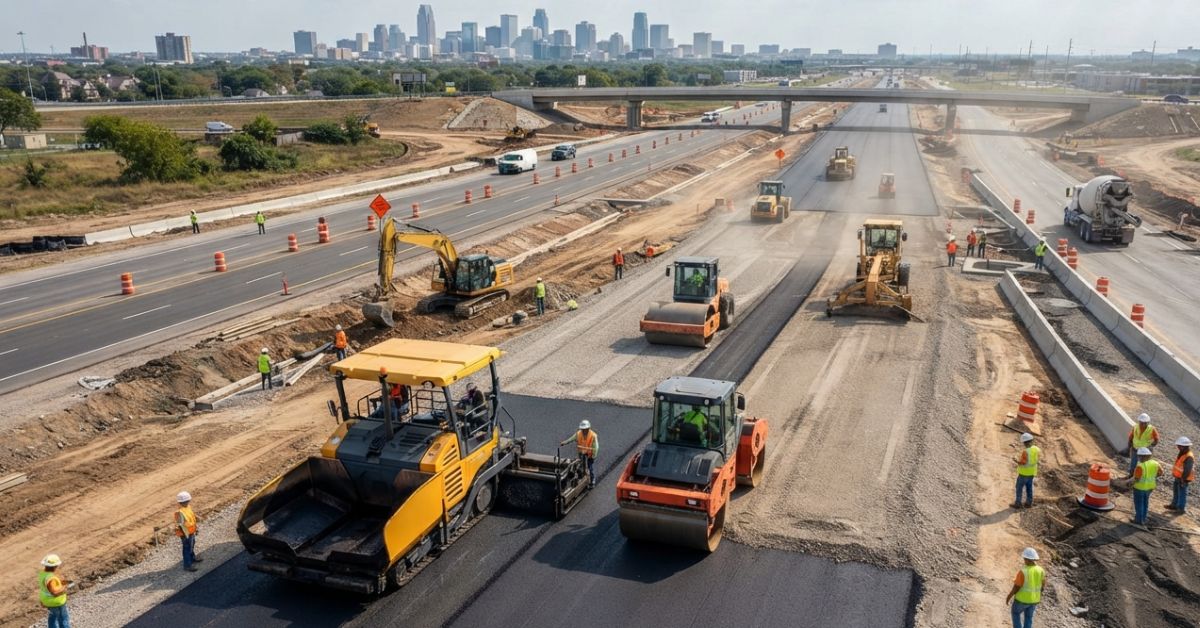
Road and highway projects involve much more than putting pavement on the ground. Before construction starts, contractors need to understand the site, prepare the soil, plan drainage, organize equipment, and decide how traffic will move around the work zone.
A civil construction company adjusts its approach according to the project’s location, size, soil conditions, traffic demands, and engineering requirements. A new highway can require a very different plan from widening an existing road or rebuilding a damaged section.
Understanding the Site Before Construction
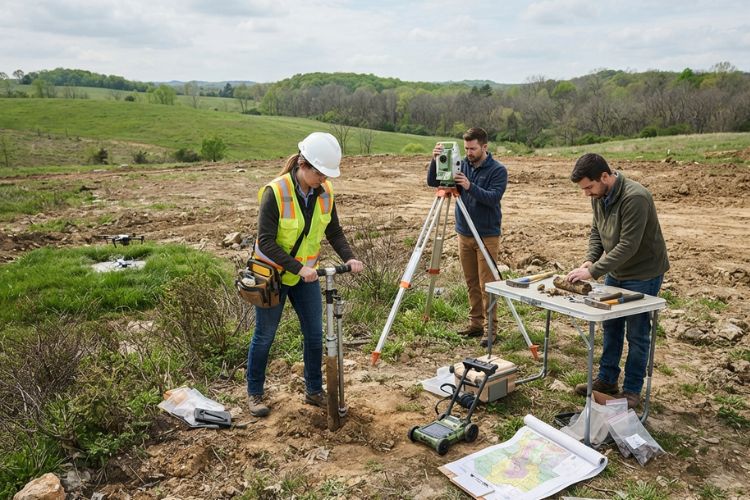
The first step is getting to know the site. Contractors review the terrain, existing ground conditions, drainage patterns, utilities, access points, and structures that could affect the work. Soil investigations and surveys can help determine how much excavation, filling, grading, and stabilization may be required.
This early information influences decisions throughout the project. For example, weak soil may require removal or stabilization, while difficult terrain could change how equipment and materials are brought onto the site. Contractors can use these details to develop practical civil construction solutions that suit the site’s conditions and help avoid unnecessary changes once construction is underway.
Planning the Construction Sequence
Road projects contain several connected stages, so contractors need a clear order of work. Site preparation, earthwork, drainage, foundation work, paving, and finishing cannot always happen at the same time.
Large projects are often divided into sections. This can help crews work on one area while keeping another portion available for traffic or other activities. During highway construction, this type of phasing can be especially useful because projects may extend across a large area.
Preparing and Grading the Roadway
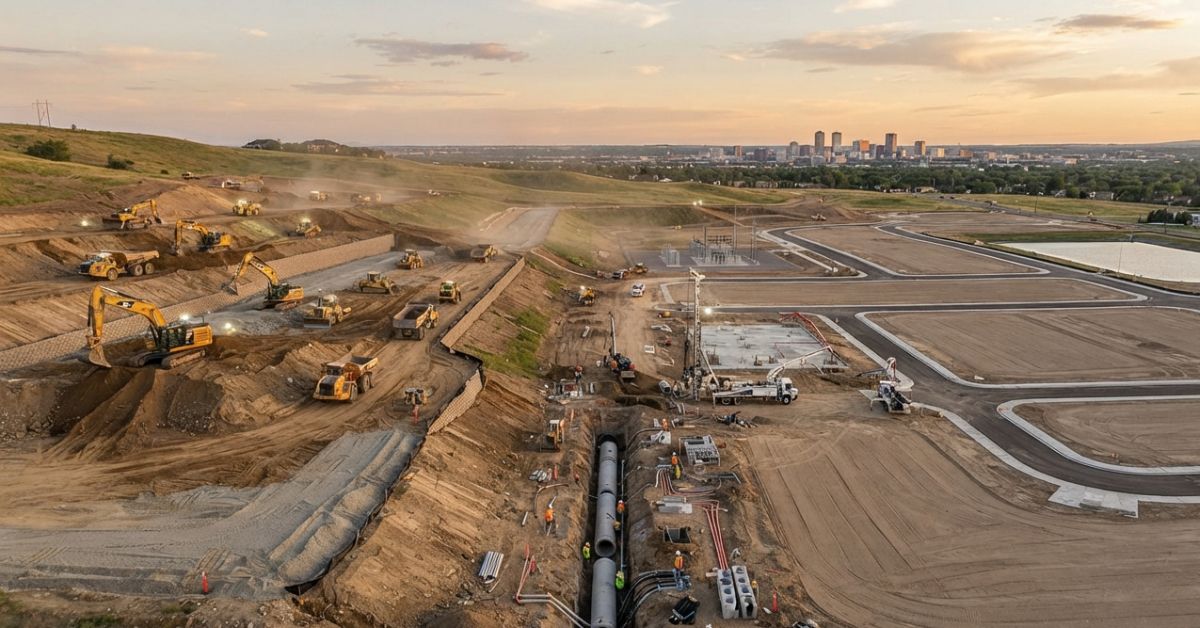
After the site has been cleared and prepared, crews start shaping the ground according to the project plans. This can involve removing vegetation, taking out unsuitable soil, cutting down higher areas, and adding fill where the road needs more support.
Dozers and graders are then used to create the right elevation, slope, and alignment. The ground is compacted to give the roadway a firm base for the layers that come next. Before moving forward, crews check the surface for weak or uneven areas so they can be fixed early rather than causing problems later.
Building the Road Foundation
The pavement needs a stable foundation beneath it. Depending on the design, the roadway may include a subgrade, subbase, and aggregate base.
These layers help support traffic loads and distribute pressure across the ground. Materials are placed to the required thickness and compacted before the next layer is added.
Much of this work will eventually be hidden beneath the finished surface, but it remains an important part of dependable road infrastructure. A well-prepared foundation can help the pavement perform as intended.
Managing Drainage and Water Flow
Water needs to be considered throughout roadway construction. If runoff collects near or beneath the road, it can weaken soil and contribute to erosion or pavement damage.
Contractors may install culverts, roadside drains, channels, catch basins, and other drainage features. These systems need to work with the road’s grades and the surrounding terrain.
Planning drainage alongside earthwork allows water to be directed away from the roadway before the pavement is installed. This also helps the completed route handle normal rainfall without unnecessary water-related problems.
Installing the Pavement
Once the foundation is ready, crews can start putting down the pavement. Asphalt and concrete are common choices, and the best option depends on the road’s design, expected traffic, and project requirements.
With asphalt, keeping deliveries on schedule is especially important. The material needs to reach the site while the paving crew is ready to place and compact it properly. After the surface is installed, contractors check its thickness, grade, and smoothness. Finding any problems at this point makes them easier to fix before the remaining work is completed.
Managing Traffic During Construction
Working on an existing road creates an added challenge because vehicles may still need access. Contractors can use temporary lanes, phased closures, detours, barriers, and signs to guide traffic around active work areas.
The traffic plan needs to fit the construction schedule. On busy routes, crews may complete one section while another remains open.
Keeping drivers and workers separated requires clear work zones and coordination between construction and traffic-control teams. This planning becomes especially important when work takes place near businesses, intersections, or heavily traveled routes.
Coordinating Equipment and Crews
Different stages of road construction call for different types of machinery. Excavators can take care of digging and removing materials, while dozers and graders help shape the site. Loaders handle materials, compactors prepare the ground, and pavers are used when the roadway surface is installed.
A civil construction company also has to keep operators, surveyors, labor crews, supervisors, and suppliers working in sync. When everyone follows the same schedule, equipment and materials can move from one stage to the next more smoothly, helping the project stay on track.
Handling Materials and Site Logistics
Large roadway projects require considerable quantities of fill, aggregate, asphalt, concrete, and other materials. Contractors need to plan delivery routes, storage areas, and the movement of materials around the site.
Limited space can make logistics more difficult, particularly when traffic is still active. Deliveries need to be timed so they do not interfere with equipment or other crews.
Good material planning supports smoother infrastructure construction and helps prevent work from stopping because essential supplies are unavailable.
Quality Checks Before the Road Opens
Quality checks are carried out during the project. Crews and inspectors can look at soil compaction, material quality, elevations, layer thickness, drainage features, and pavement conditions.
After major construction is finished, the project can move into final grading, shoulder work, pavement markings, signs, barriers, drainage details, and cleanup.
Final inspections help confirm that the completed roadway meets the required specifications before it is opened to traffic.
How the Approach Changes From Project to Project
Every roadway has different requirements. A new highway through open land may have plenty of working space but challenging soil or terrain. An urban reconstruction project may require crews to work around utilities, businesses, pedestrians, and existing traffic.
Weather, project size, and the condition of existing road infrastructure can also affect scheduling and construction methods. Experienced contractors adjust their plans according to these conditions rather than using one fixed process for every project.
Finding a Contractor for Road and Highway Work
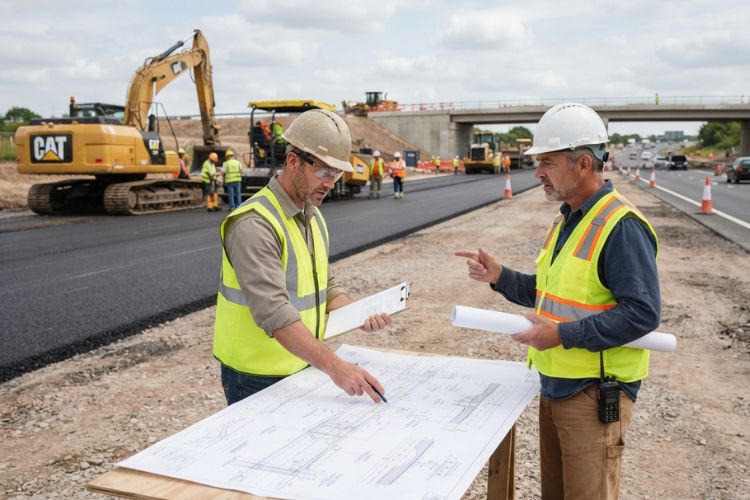
Choosing a contractor is an important part of planning a roadway project. Owners can review previous projects, equipment capabilities, safety procedures, quality-control practices, and experience with similar work.
A capable civil construction company Mississippi should be able to coordinate earthwork, drainage, foundation preparation, paving, traffic management, equipment, and materials as parts of one project. Local experience can also be useful when a project involves particular soil conditions, weather, utilities, or existing roads.
Looking at comparable projects can give owners a better idea of whether a contractor has the skills and resources needed to handle the specific requirements of the job.
Final Thoughts
Building a road or highway involves a lot of moving parts, from preparing the site and laying the foundation to managing drainage, paving, traffic, and final inspections. Each stage has to be handled properly because the quality of one part can affect the work that follows.
An experienced civil construction company can adjust the process to fit the site’s conditions and the project’s requirements. Whether it’s a new road, a highway expansion, or reconstruction work, good planning and coordination can help produce dependable road infrastructure that is ready for everyday use.
FAQs
What are the main stages of road construction?
A typical project starts with site assessment and preparation, followed by grading, foundation work, drainage, paving, and finishing. The exact order can vary depending on the road and site conditions.
Why is grading important in road construction?
Grading gives the roadway its proper elevation, slope, and alignment. It also creates a suitable surface for the foundation layers and helps direct water away from the road.
How do contractors manage drainage?
Contractors may use culverts, roadside drains, channels, and other stormwater features. These are planned into the project to help move water away from the roadway and surrounding areas.
How do contractors keep traffic moving?
Depending on the project, crews may use temporary lanes, phased closures, detours, barriers, and signs. These measures help maintain traffic flow while keeping drivers away from active construction areas.