A construction project does not really begin when the foundation is poured. Before that happens, the property has to be made ready for the work ahead. Uneven ground, poor drainage, leftover materials, difficult access, or hidden utilities can create problems if they are overlooked.
Proper construction site preparation gives the project a more reliable starting point. It helps the crew understand the property, deal with potential obstacles, and create suitable conditions for the next stages of construction. Good preparation can also make it easier to keep the work moving once equipment and crews arrive.
What Happens Before Construction Begins?
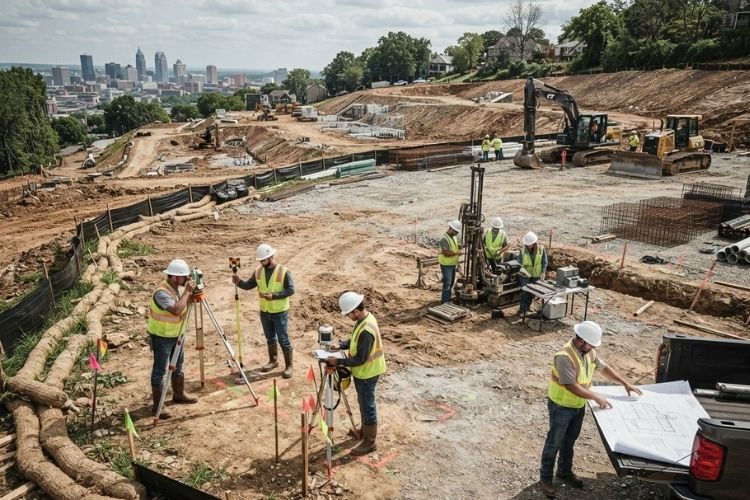
Every property has its own set of conditions. A site may have existing vegetation, an old structure, uneven ground, standing water, or limited access. Before work starts, contractors review these factors and determine what needs to be addressed.
The site preparation process can include several types of work, depending on the project. The goal is to turn the existing property into a workable space that matches the requirements of the planned construction.
This early assessment is important because some problems are easier and less expensive to handle before construction is underway.
Why Ground Conditions Matter
The condition of the soil can affect what happens later in the project. Soft areas, poor compaction, unexpected fill, or unstable ground may create difficulties for foundations, slabs, driveways, and other improvements.
Contractors can examine the property and identify areas that may require additional attention. Grading may be needed to establish suitable elevations, while unsuitable soil may need to be removed or improved.
Good Construction site preparation takes these conditions into account instead of assuming that every property is ready for building as it stands.
Clearing the Property for Work
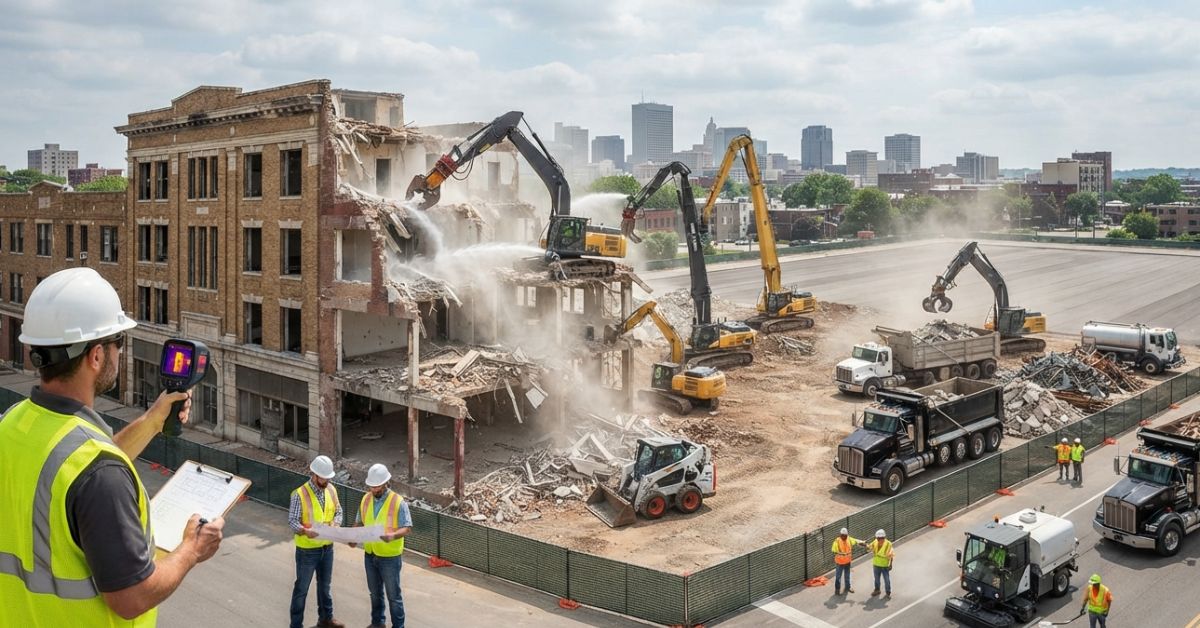
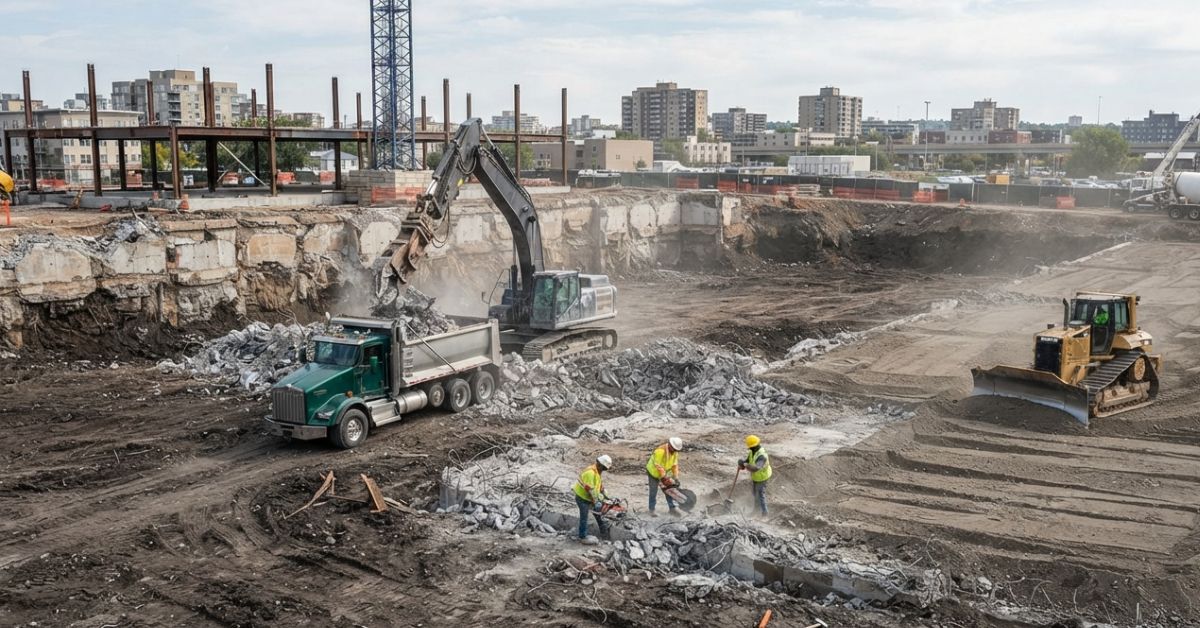
A site cannot always be used immediately. Trees, brush, construction debris, abandoned materials, or existing structures may need to be removed before other work can begin.
Site clearing creates room for equipment and gives crews a clearer area in which to work. It may involve removing vegetation, hauling away debris, or preparing areas affected by previous structures.
The amount of Site clearing required depends on the property’s condition and the type of project planned. Once unnecessary obstacles are removed, contractors can focus on preparing the ground itself.
Getting the Ground Ready
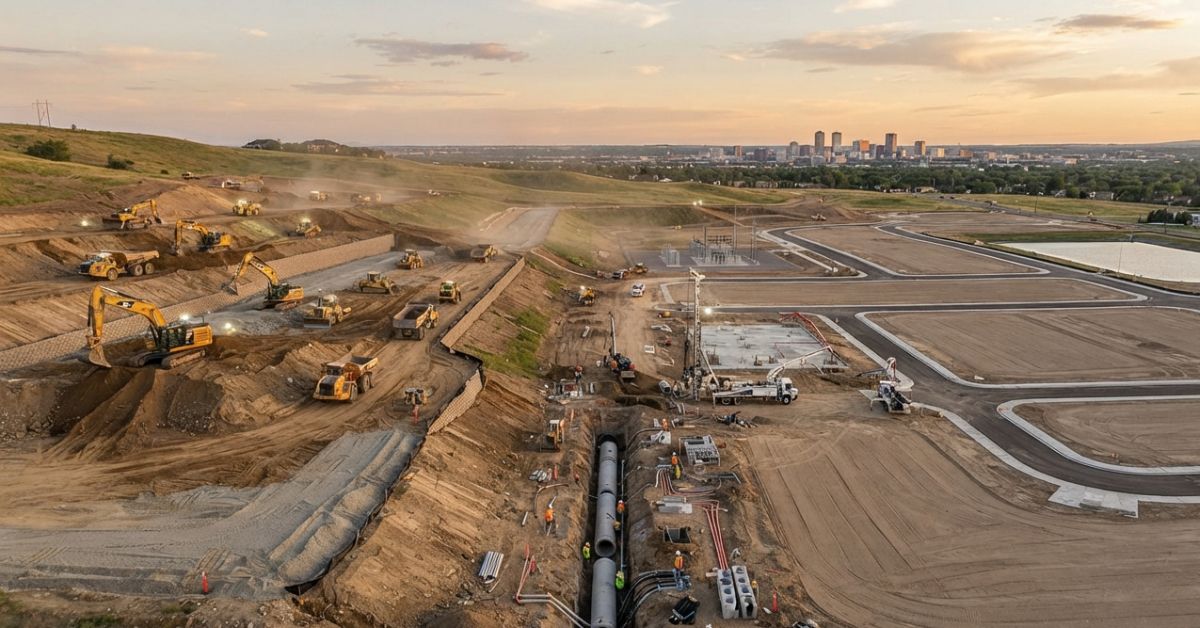
After the property has been cleared, the ground may need to be shaped or improved. Grading helps establish the elevations required for buildings, parking areas, driveways, and drainage features.
In some cases, excavation or filling is necessary to create the desired site profile. Compaction may also be used where the ground needs to provide a more dependable base.
These steps are an important part of Construction site preparation because later construction depends on having suitable ground conditions.
Managing Water Before It Becomes a Problem
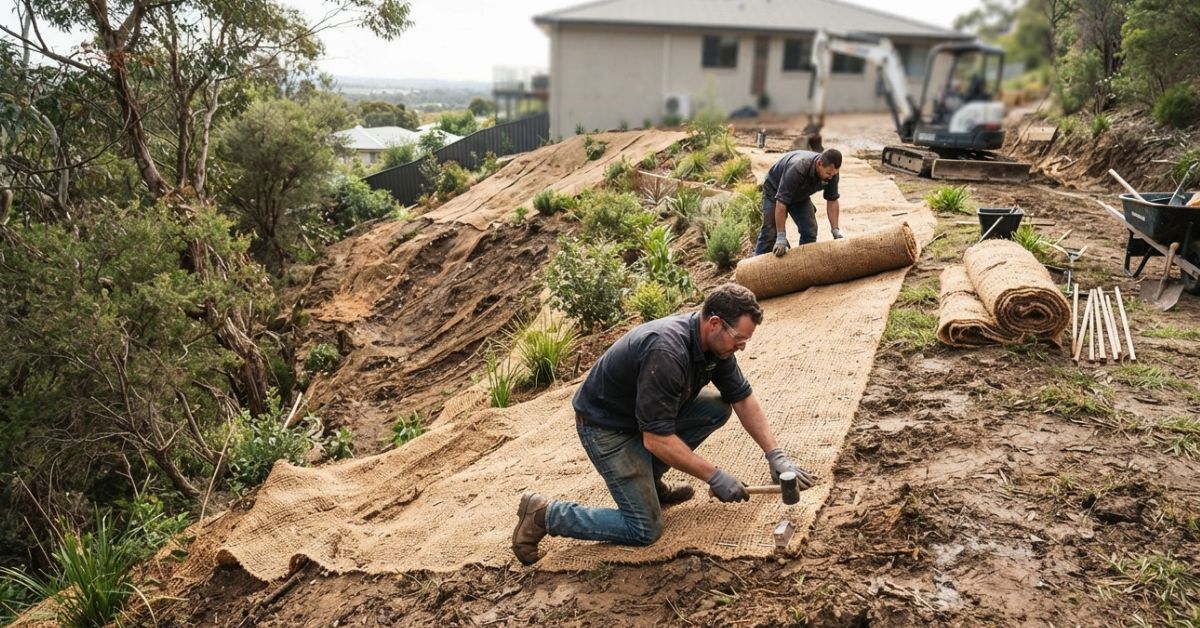
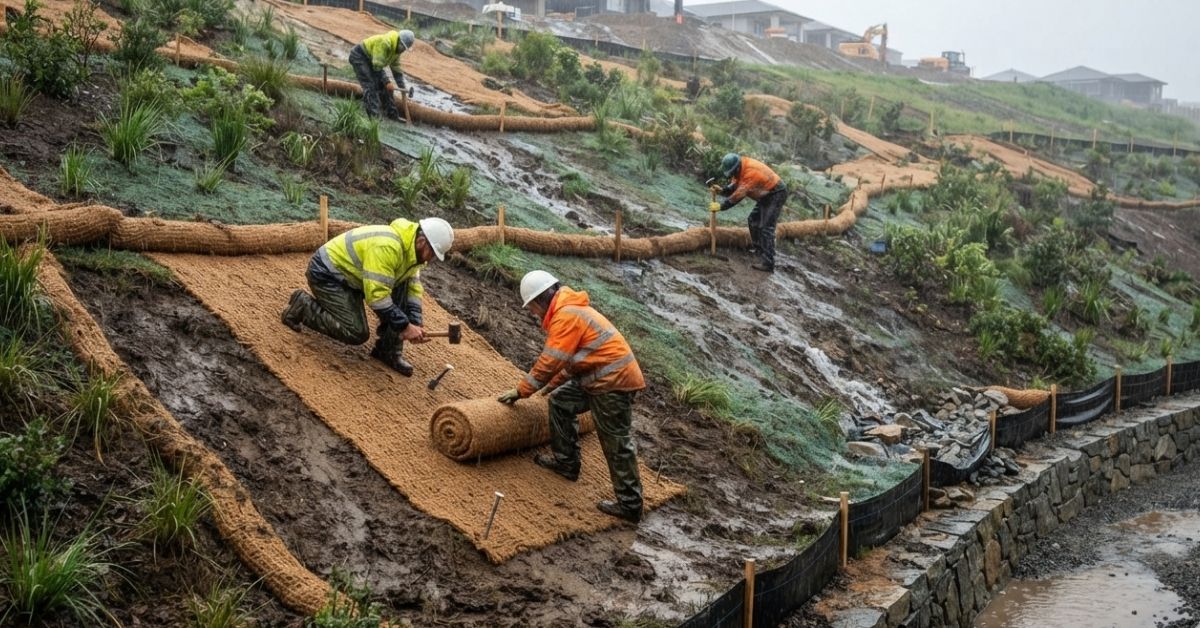
Rain and runoff can quickly turn an active construction site into a difficult place to work. Water that settles in low spots can soften the ground, create muddy conditions, and make it harder for trucks or machinery to move around.
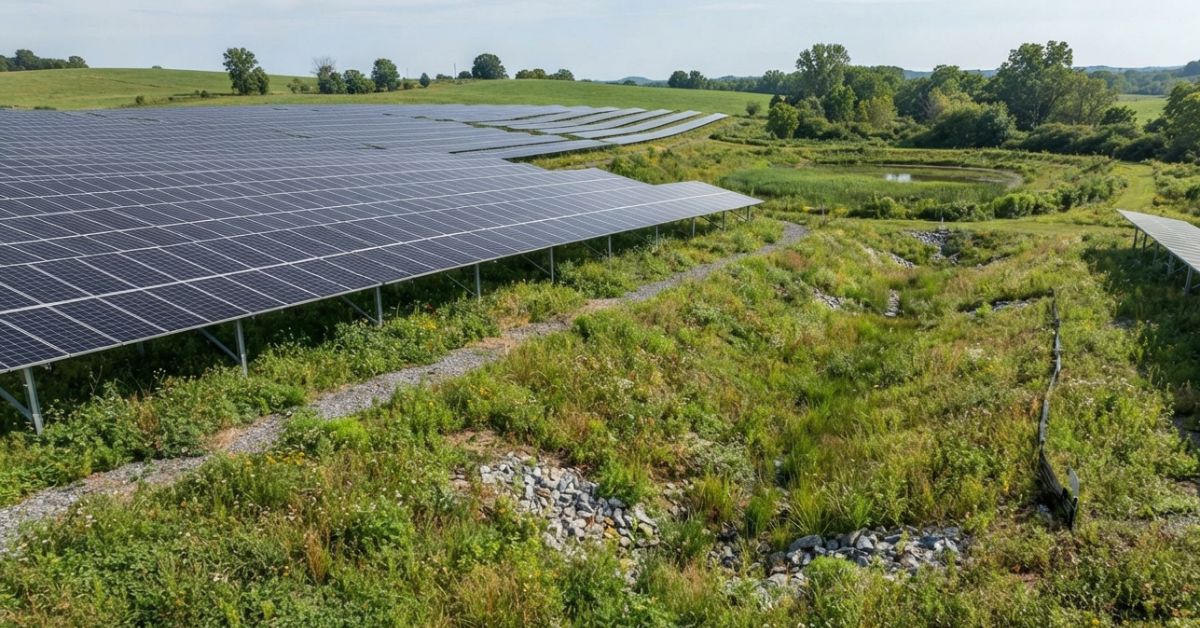
Before work begins, contractors look at the property’s natural slope and the way water moves during rain. If needed, they can shape the ground or add drainage features to guide runoff away from important work areas. Including water management in Site preparation services can help keep the site usable as construction moves forward.
Making Access Easier for Crews and Equipment
Heavy equipment and delivery trucks need enough space to reach the areas where work is taking place. If access is narrow, uneven, or poorly positioned, even routine deliveries can become harder to manage.
Contractors may prepare entry routes, temporary working surfaces, and designated areas for equipment based on the site’s layout. Good access gives crews more freedom to move materials and machinery without constantly working around obstacles, helping the project run more smoothly.
Knowing What Is Already on the Property
Before excavation starts, contractors need a clear picture of what is beneath and around the site. Water, gas, electrical, sewer, and communication lines may be hidden underground or run close to the planned work area.
The crew should also note existing structures, drainage features, and anything that needs to stay in place. Knowing these details ahead of time helps them plan the work more carefully and avoid unnecessary damage or interruptions.
How Preparation Supports Site Development?
Site work often forms the connection between an undeveloped or previously used property and the construction that follows. Site development may involve coordinating grading, drainage, access, utilities, and other improvements so the property is ready for its intended use.
When these elements are considered together, contractors can avoid treating each task as an isolated job. The result can be a more organized transition from groundwork to construction.
For larger projects, Site development may continue alongside other phases, making coordination especially important.
Keeping the Project on Track
Delays do not always come from the construction itself. An unexpected soil problem, blocked access route, drainage issue, or remaining obstacle can stop work and require changes to the schedule.
Thorough Construction site preparation gives contractors an opportunity to find these concerns earlier. Addressing them before major construction begins can reduce rework and help crews move from one stage to the next more smoothly.
This preparation also gives project managers a clearer understanding of what resources, equipment, and labor may be needed.
Why Professional Site Preparation Services Matter
Preparing a property involves more than moving dirt from one place to another. The work has to match the site’s condition and the plans for what will be built there.
Professional Site preparation services can bring together clearing, grading, excavation, drainage, and access work as part of one coordinated plan. This can be especially useful when the property has difficult terrain, existing structures, or other complications.
For projects that require several types of Construction services, having site work properly coordinated can make the transition into the building phase easier.
When to Consider Experienced Help
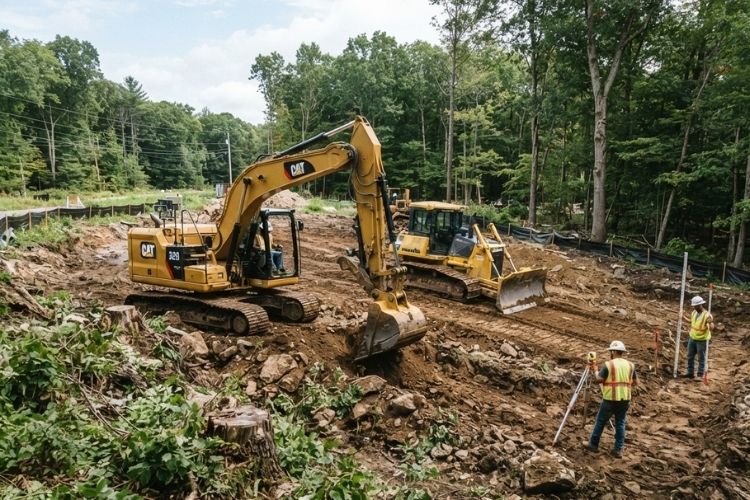
Not every property is easy to prepare. Slopes, weak soil, heavy vegetation, old structures, or tight access can make the early stages of construction more complicated than they first appear. Finding these challenges before work starts can save time and prevent avoidable setbacks.
A qualified site preparation contractor MS can assess the property and work out what needs to be done before construction gets underway. Rather than using the same approach on every site, the contractor can choose methods that fit the ground, layout, and plans for the property.
Final Thoughts
Proper preparation gives a construction project a cleaner and more dependable starting point. Clearing obstacles, addressing ground conditions, planning drainage, preparing access, and locating utilities can all help prevent avoidable complications later.
With the right Construction services and a well-planned approach, the groundwork can support a smoother transition into the next phase. Investing time in Construction site preparation before building begins can make the overall project easier to manage and help reduce surprises along the way.
FAQs
How long does site preparation usually take?
The timeframe depends on the property’s size, condition, access, and the amount of work required. A simple site may need only limited preparation, while a larger property can require several stages before construction begins.
What happens if a site is not prepared properly?
Problems with soil, drainage, access, or existing obstacles can lead to delays and additional work. In some cases, poor preparation may also affect later construction activities.
Does every project require the same preparation?
No. The work depends on the property and what will be built. Some sites may need extensive clearing and grading, while others may require only minor adjustments.
When should preparation work begin?
Preparation should be planned before major construction starts. Early planning gives contractors time to identify site concerns and complete necessary groundwork without interfering with later phases.
Can preparation help control construction costs?
It can. Finding problems early may reduce rework, delays, wasted materials, and unexpected labor or equipment needs. A well-prepared property can also make the construction schedule easier to manage.